


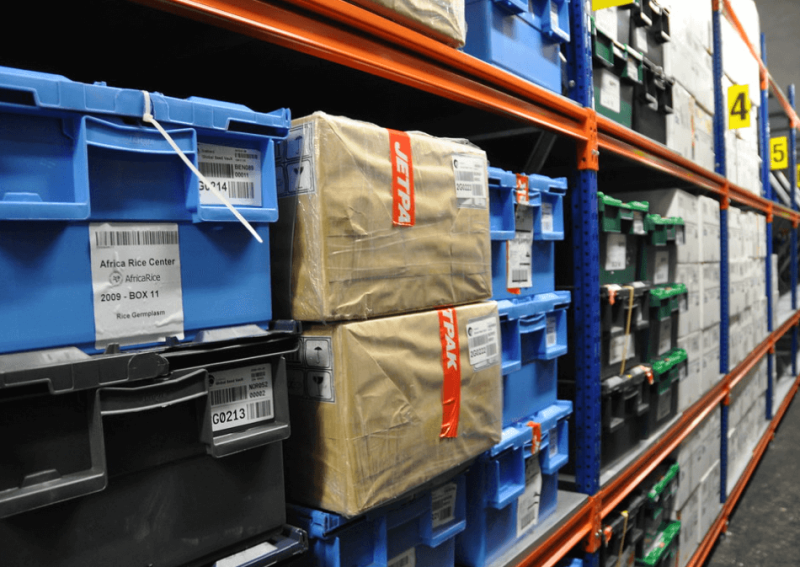
Gene and seed banks are not static museums. They are living collections of genetic material, designed to support food security, drive breeding innovation, and enhance ecological resilience. While the distinction between seed banks and gene banks is subtle, it is significant, according to a press release from the Danish Council for Food and Agriculture.
“Seed banks typically conserve wild species,” Hay explains. “Gene banks focus on crops. They’re conserving genetic diversity within crop species, which is critical for breeding plants that can withstand new diseases, pests, or drought.”
In a world facing overlapping crises — from conflict to climate change — these banks act as vital insurance.
The stakes for gene banks are higher than ever. Global crop diversity is shrinking: the [Food and Agriculture Organization of the United Nations] estimates that 75% of plant genetic diversity has been lost since the early 20th century, largely due to industrial agriculture and monoculture.
…
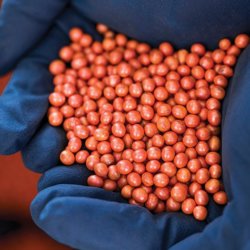



The goal isn’t just to preserve seeds — it’s to keep them viable, functional, and accessible.
This is an excerpt. Read the original post here















