Transforming food waste into biodegradable ultra-thin plastic

Screenshot 2025-10-17 at 3.33.57โ€ฏPM

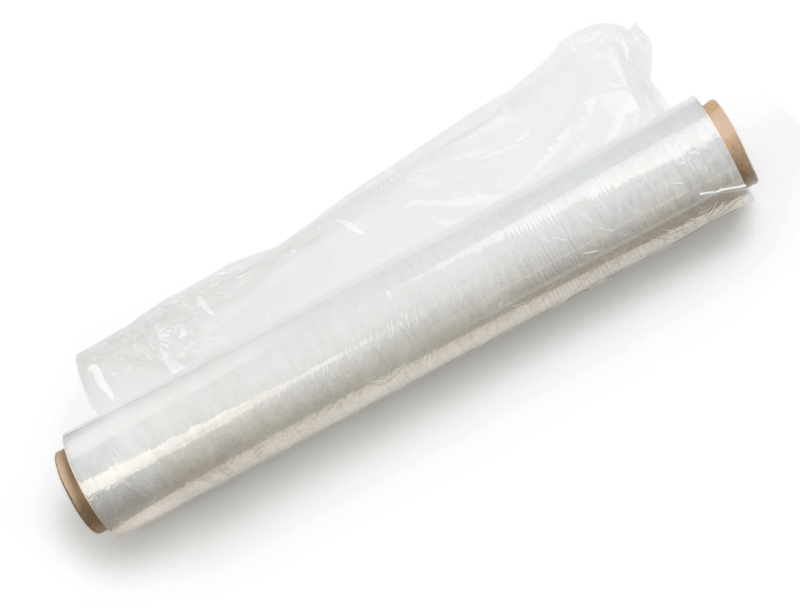
In the face of the growing global crisis due toย plasticย pollution, a team fromย Monash Universityย in Melbourne (Australia) has managed to transformย food waste into ultra-thin and compostable bioplastics, paving a promising pathย towards a more efficient and less pollutingย circular economy.

What are PHAs and why do they matter?

Biopolymersย produced by bacteria that mimic the properties of plastic but are biodegradable.

Polyhydroxyalkanoates (PHA)ย are bioplastics generated by bacteria fromย renewable sugars, such asย glucose and fructoseย extracted from food waste. According to the journalย Microbial Cell Factories, these materials are:

  • Non-toxic and home compostable
  • Biodegradable in marine environments
  • Adaptable to replace single-use plastics

Follow the latest news and policy debates on sustainable agriculture, biomedicine, and other ‘disruptive’ innovations. Subscribe to our newsletter.

The team led byย Edward Attenboroughย and Dr.ย Leonie van โ€˜t Hagย used two soil bacteria:

  • C. necator H16: produced up toย 60% PHBย with fructose
  • P. putida KT2440: generated more flexibleย mcl-PHA, although in smaller proportions

Both species were fed withย mixtures of sugars, salts, and nutrients, accumulating PHA inside them, which was thenย extracted and converted into 20-micron thick films.

This is an excerpt. Read the original post here

{{ reviewsTotal }}{{ options.labels.singularReviewCountLabel }}
{{ reviewsTotal }}{{ options.labels.pluralReviewCountLabel }}
{{ options.labels.newReviewButton }}
{{ userData.canReview.message }}

Related Articles

Infographic: Global regulatory and health research agencies on whether glyphosate causes cancer

Infographic: Global regulatory and health research agencies on whether glyphosate causes cancer

Does glyphosateโ€”the world's most heavily-used herbicideโ€”pose serious harm to humans? Is it carcinogenic? Those issues are of both legal and ...

Most Popular

wuhan institute of virology main entrance
โ€‹โ€‹COVID lab leak? Making a case that the Wuhan market origins theory is wrong
Screenshot-2026-06-17-at-9.44.03-AM
Viewpoint: Embryos are becoming the newest battleground of love, loss, and legal uncertainty
Screenshot-2026-06-18-at-11.41.51-AM
Viewpointโ€”Protecting baloney science: Far right senators move to protect the phony homeopathy industry
ChatGPT-Image-Jun-9-2026-01_11_37-PM
Turmeric supplements: More risks than benefits
Screenshot-2026-06-17-at-11.57.12-AM
Viewpoint: Raw milk and the myth of safetyโ€”ProPublica exposes the growing anti-homogenization movement
ChatGPT-Image-Mar-10-2026-01_39_01-PM
Viewpointโ€”โ€œMiracle moleculeโ€ debunked: Why acemannan supplements donโ€™t work
Screenshot-2026-06-18-at-2.52.05-PM
Activist organization accuses Trump of protecting methane-generating stripper wells to benefit billionaire and donor Jeffrey Hildebrandย 
ChatGPT-Image-Jun-18-2026-02_32_04-PM
Can illegal social media content be stopped before it goes viral? UK is going to try.
Screenshot-2026-06-16-at-10.02.22-PM
Viewpoint: โ€˜Industrial foodโ€™ primerโ€”Challenging the dangerous delusions of the alternative food movement
ChatGPT-Image-Jun-16-2026-10_01_45-AM-2
Viewpointโ€”Recursive self-improvement: AI leader Anthropic calls for AI slowdown
ChatGPT-Image-Jun-4-2026-03_07_27-PM
AAP v. Kennedy: While a court challenge grinds on, RFK Jr. quietly advances his anti-vaccine conspiracy agenda
glp menu logo outlined

Get news on human & agricultural genetics and biotechnology delivered to your inbox.