Viewpoint: No, we should not follow RFK, Jr.’s recommendation and quickly phase out biomedical research animal testing 

Screenshot 2025-11-09 at 1.05.56 PM

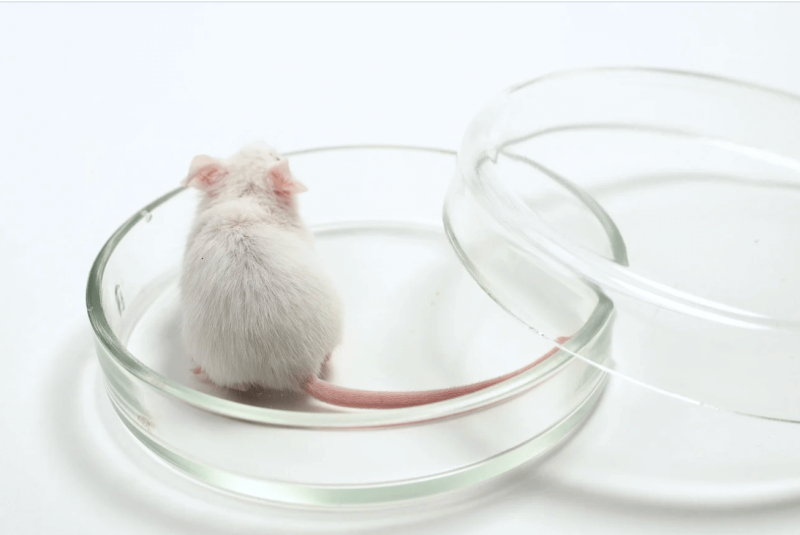
In recent months, the Food and Drug Administration and National Institutes of Health have announced new initiatives to reduce and replace animal testing in biomedical research. Central to these efforts are “new approach methodologies,” such as lab-grown human-based models and computational technologies, promoted as more modern and human-relevant.

As a biomedical researcher combining advanced mouse models with human-based and computational approaches, I argue that biomedical discovery and drug development require greater investment in refining and complementing — not replacing — animal models.

Follow the latest news and policy debates on sustainable agriculture, biomedicine, and other ‘disruptive’ innovations. Subscribe to our newsletter.

Broadly reducing investment in animal models now, including the expertise, infrastructure, and ethical safeguards currently in place, would not only undermine critical progress but also leave us unprepared when complex medical and safety issues appear in the future.

In fact, investing in and complementing modern animal models now can reduce future animal use. When preclinical studies better predict human outcomes, fewer animals are needed for repetitive experiments that ultimately fail to translate.

Moving forward, we shouldn’t be choosing between animal models and human-based approaches — but rather integrating both as needed to best study human conditions.


This is an excerpt. Read the original post here

{{ reviewsTotal }}{{ options.labels.singularReviewCountLabel }}
{{ reviewsTotal }}{{ options.labels.pluralReviewCountLabel }}
{{ options.labels.noReviewsLabel }}
{{ options.labels.newReviewButton }}
{{ userData.canReview.message }}

Related Articles

Infographic: Global regulatory and health research agencies on whether glyphosate causes cancer

Infographic: Global regulatory and health research agencies on whether glyphosate causes cancer

Does glyphosate—the world's most heavily-used herbicide—pose serious harm to humans? Is it carcinogenic? Those issues are of both legal and ...

Most Popular

ChatGPT-Image-Mar-10-2026-01_39_01-PM
Viewpoint—“Miracle molecule” debunked: Why acemannan supplements don’t work
Screenshot 2026-07-11 094410
Growing animal muscle and fat cells inside rice grains and calling it beef: One of numerous genetically engineered products shaking up our ecosystem
Screenshot 2025-09-17 at 12.41
Misinformation alert: No, glyphosate use in Canadian forests is not spurring more wildfires
ChatGPT-Image-Jun-25-2026-12_23_17-PM
No, Bill Gates did not secretly engineer ticks to promote veganism
file-f-d-d-
Facts & Fallacies Podcast: Europe's AC debacle underscores fatal flaw in green activism
Screenshot-2026-07-16-at-11.32.12-AM
Viewpoint: Trump appoints climate change hoax promoter to head influential government policy project
Screenshot 2026-07-16 at 8.49
Pete Hegseth’s bizarre Viagra commercial as Trump administration endorses ‘hormone replacement therapy’
ChatGPT-Image-Jul-9-2026-02_39_22-PM
Viewpoint: Polyphenols or NAD+ supplements to combat aging: No, Gwenyth Paltrow and followers, don’t waste your money.
Screenshot-2026-07-16-at-6.02.54-PM
Wellness grifters overwhelm information channels in the developing world, and the problem is escalating

Sorry. No data so far.

glp menu logo outlined

Get news on human & agricultural genetics and biotechnology delivered to your inbox.