Deepfakes raise profound ethical questions in science

Much of the public concern around deepfakes has focused on abuse, particularly non-consensual intimate imagery, political misinformation, and the erosion of trust in audio-visual evidence. These issues are real and can have serious implications. 

But beyond personal and political harm, deepfakes introduce a broader epistemic challenge: they destabilize the credibility of recorded evidence. When people can no longer be sure what’s real, trust in journalism, democratic institutions, and even scientific data begins to erode.

Follow the latest news and policy debates on sustainable agriculture, biomedicine, and other ‘disruptive’ innovations. Subscribe to our newsletter.

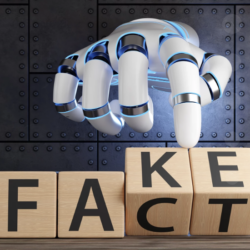
One of the most pressing challenges is the potential misuse of generative AI to produce scientific data, medical imagery, or entire datasets that appear authentic but are fabricated.

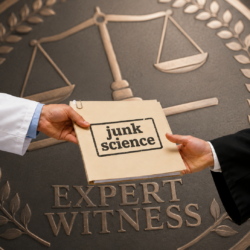
A 2025 PNAS article warns that researchers, companies, or regulators may use generative models to fabricate results that appear methodologically sound. These synthetic datasets might then be presented as the outcome of actual experiments in an attempt to mislead the scientific community.
The risks include:

  • Irreproducible results
  • False confidence in findings
  • Privacy breaches

This raises urgent questions about professional trust, the evidentiary standards in science, and the long-term credibility of academic publishing.


This is an excerpt. Read the original post here

{{ reviewsTotal }}{{ options.labels.singularReviewCountLabel }}
{{ reviewsTotal }}{{ options.labels.pluralReviewCountLabel }}
{{ options.labels.noReviewsLabel }}
{{ options.labels.newReviewButton }}
{{ userData.canReview.message }}

Related Articles

Infographic: Global regulatory and health research agencies on whether glyphosate causes cancer

Infographic: Global regulatory and health research agencies on whether glyphosate causes cancer

Does glyphosate—the world's most heavily-used herbicide—pose serious harm to humans? Is it carcinogenic? Those issues are of both legal and ...

Most Popular

ChatGPT-Image-Jul-8-2026-12_32_48-PM
Viewpoint: SCOTUS strikes a blow against junk science in Bayer glyphosate case. Will it deter mass tort litigators?
Screenshot 2026-07-16 at 8.49
Pete Hegseth’s bizarre Viagra commercial as Trump administration endorses ‘hormone replacement therapy’
ChatGPT-Image-Jul-1-2026-03_33_49-PM
‘Alternative’ cancer treatments that could kill you
ChatGPT-Image-Mar-10-2026-01_39_01-PM
Viewpoint—“Miracle molecule” debunked: Why acemannan supplements don’t work
afb-a-b
As the EU loosens restrictions on agricultural gene editing, it remains years behind the rest of the world on equally-safe GMO foods
Screenshot-2026-07-08-at-9.36.03-AM
Viewpoint: Long-contained diseases are on the rise in the U.S. Are Trump cuts to blame?
ChatGPT-Image-Jul-9-2026-02_39_22-PM
Viewpoint: Polyphenols or NAD+ supplements to combat aging: No, Gwenyth Paltrow and followers, don’t waste your money.
ChatGPT-Image-Jul-7-2026-01_57_55-PM
Viewpoint: Europe’s rejection of air conditioning is the poster child for misunderstanding how to mitigate the impact of climate change
Screenshot-2026-07-16-at-8.33.45-AM
US court revives 550 lawsuits claiming Tylenol causes autism and ADHD. What does this ruling mean for science and the law?
png-social-media-Fb-wa-insta-CC
Farmers and agri-food companies are abandoning social media even as disinformation grows
c9f0a584-46e9-4dd8-9a77-f5f5a7a51a84
Across Eastern Europe, science disinformation has spread far beyond COVID and vaccine denialism. Here’s the grim list.
Screenshot 2026-07-11 100209
Viewpoint: Supplements to clean your liver? Not a good idea.
aca45222-ae49-44a7-aee5-ef4b3dfcc505
Science under siege: As federal funding dries up, top research universities are turning out fewer PhDs
Viewpoint: Consensus as truth? How ‘misinformation police’ control policy narratives
Which among war, weather and cyber attacks is the biggest world threat? None of the above. It’s misinformation, and here’s why.
ChatGPT-Image-Jun-25-2026-12_23_17-PM
No, Bill Gates did not secretly engineer ticks to promote veganism
glp menu logo outlined

Get news on human & agricultural genetics and biotechnology delivered to your inbox.