Which among war, weather and cyber attacks is the biggest world threat? None of the above. It’s misinformation, and here’s why.

Viewpoint: Consensus as truth? How ‘misinformation police’ control policy narratives
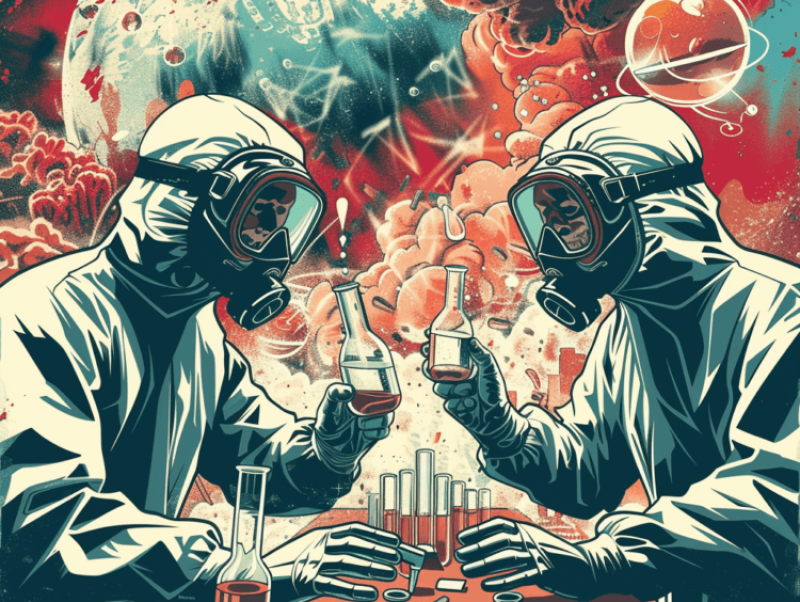
Credit: Midjourney/ Heenan

The UN and the World Economic Forum have identified misinformation and disinformation as top global risks—ranking them as higher short-term threats than extreme weather, state-based armed conflict, and cyber insecurity.1,2 Although many people might associate this phenomenon with the COVID-19 crisis, the pandemic only exacerbated a growing trend, which preceded COVID-19 and has evolved since. The already uncontrolled spread of misinformation through social media alongside rapidly changing artificial intelligence with the ability to create convincing mimics of real people and events, further complicates a high-risk misinformation landscape with implications for health outcomes and a protracted impact on trust in science.

Follow the latest news and policy debates on sustainable agriculture, biomedicine, and other ‘disruptive’ innovations. Subscribe to our newsletter.

Sadly, the USA has since become one of the biggest sources of misinformation, with global repercussions.4 Specific misinformation and disinformation around vaccines, fluoridation, or the health impacts of climate change are harmful in themselves.5,6 Yet misinformation also undermines trust in the scientific process and, over time, may result in a populace that rejects scientific evidence more broadly.7


This is an excerpt. Read the original post here

{{ reviewsTotal }}{{ options.labels.singularReviewCountLabel }}
{{ reviewsTotal }}{{ options.labels.pluralReviewCountLabel }}
{{ options.labels.noReviewsLabel }}
{{ options.labels.newReviewButton }}
{{ userData.canReview.message }}

Related Articles

Infographic: Global regulatory and health research agencies on whether glyphosate causes cancer

Infographic: Global regulatory and health research agencies on whether glyphosate causes cancer

Does glyphosate—the world's most heavily-used herbicide—pose serious harm to humans? Is it carcinogenic? Those issues are of both legal and ...

Most Popular

ChatGPT-Image-Mar-10-2026-01_39_01-PM
Viewpoint—“Miracle molecule” debunked: Why acemannan supplements don’t work
Screenshot 2026-07-11 094410
Growing animal muscle and fat cells inside rice grains and calling it beef: One of numerous genetically engineered products shaking up our ecosystem
file-f-d-d-
Facts & Fallacies Podcast: Europe's AC debacle underscores fatal flaw in green activism
Screenshot-2026-07-16-at-11.32.12-AM
Viewpoint: Trump appoints climate change hoax promoter to head influential government policy project
Screenshot 2026-07-16 at 8.49
Pete Hegseth’s bizarre Viagra commercial as Trump administration endorses ‘hormone replacement therapy’
Screenshot-2026-07-16-at-6.02.54-PM
Wellness grifters overwhelm information channels in the developing world, and the problem is escalating
ChatGPT-Image-Jul-9-2026-02_39_22-PM
Viewpoint: Polyphenols or NAD+ supplements to combat aging: No, Gwenyth Paltrow and followers, don’t waste your money.
ChatGPT-Image-Jul-1-2026-03_33_49-PM
‘Alternative’ cancer treatments that could kill you
Screenshot-2026-07-16-at-12.08.38-PM
Viewpoint: With trust in doctors and mainstream medicine collapsing, medical professionals need a new communications strategy
ChatGPT-Image-Jun-25-2026-12_23_17-PM
No, Bill Gates did not secretly engineer ticks to promote veganism
afb-a-b
As the EU loosens restrictions on agricultural gene editing, it remains years behind the rest of the world on equally-safe GMO foods
Screenshot 2025-09-17 at 12.41
Misinformation alert: No, glyphosate use in Canadian forests is not spurring more wildfires
Screenshot-2026-07-16-at-8.33.45-AM
US court revives 550 lawsuits claiming Tylenol causes autism and ADHD. What does this ruling mean for science and the law?
glp menu logo outlined

Get news on human & agricultural genetics and biotechnology delivered to your inbox.