Viewpoint: A practical guide to evaluating social media wellness hype

YearReview Grift

Evaluating a health claim often comes down to a few questions that most people were never taught to ask.

The first is who is making the claim, because expertise only helps when it matches the subject being discussed. In an interview with The Guardian, Danielle Shine, a registered dietitian and Ph.D. candidate studying nutrition misinformation, warned that “just because someone lists letters after their name doesn’t automatically make them credible.”

Follow the latest news and policy debates on sustainable agriculture, biomedicine, and other ‘disruptive’ innovations. Subscribe to our newsletter.

The next question is what kind of evidence supports it, since peer-reviewed research has been tested in a way personal testimony has not.

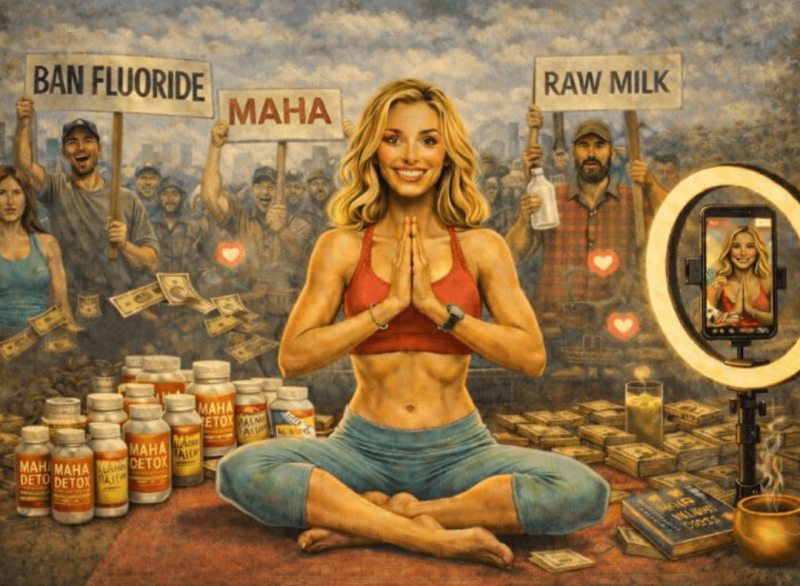
A claim that promises a miracle cure or guaranteed result is asking readers to trust certainty before evidence. The same is true when a wellness trend leans too hard on buzzwords like detox or biohack without explaining what is being measured.

Cherry-picked studies create another warning sign, especially when a single finding is treated like settled science. And when fear or urgency pushes people to act before they can think, the claim deserves even more scrutiny.


This is an excerpt. Read the original post here

{{ reviewsTotal }}{{ options.labels.singularReviewCountLabel }}
{{ reviewsTotal }}{{ options.labels.pluralReviewCountLabel }}
{{ options.labels.noReviewsLabel }}
{{ options.labels.newReviewButton }}
{{ userData.canReview.message }}

Related Articles

Infographic: Global regulatory and health research agencies on whether glyphosate causes cancer

Infographic: Global regulatory and health research agencies on whether glyphosate causes cancer

Does glyphosate—the world's most heavily-used herbicide—pose serious harm to humans? Is it carcinogenic? Those issues are of both legal and ...

Most Popular

ChatGPT-Image-Jul-26-2026-05_58_17-PM
Louisiana and Texas bring RFK,Jr.- MAHA-backed restrictions on dyes and other ‘controversial’ ingredients to eight states
ChatGPT-Image-Mar-10-2026-01_39_01-PM
Viewpoint—“Miracle molecule” debunked: Why acemannan supplements don’t work
ChatGPT-Image-Jul-26-2026-05_35_53-PM
FDA takes up peptide therapies as hype outpaces science
organic scaled
Facts & Fallacies podcast: Organic food cuts pesticide exposure? A response to Dr. Rhonda Patrick
ChatGPT-Image-Jul-22-2026-09_13_07-AM
Viewpoint—The Strategic Litigation boom: Understanding the tightening coalition among NGOs, foundations, journalists, and tort lawyers
ChatGPT-Image-Jul-9-2026-11_33_49-AM
Viewpoint: High-dose resveratrol supplements to extend health and life? Don’t waste your money.

ChatGPT-Image-Jul-10-2026-09_42_12-AM-1
Peptides, patient autonomy, and the limits of medical freedom
Screenshot-2026-07-23-at-11.58.47-AM
Viewpoint: ‘Thought police in the UK?’ Conservatives lash out at government report calling anti-LGBQT+ narratives ‘false and misleading’
How to Include More Strawberries in Your Diet
Strawberries are berries—and 35 other surprising food and drink myths
IVF Rex
Poll: Younger people more open to using genetics to increase fertility and reduce chances of inherited diseases 
Screenshot-2026-07-07-at-12.55.44-PM
Viewpoint: Yes, we can adapt to a changing climate without devastating the environment and the economy
ChatGPT-Image-Jun-25-2026-12_23_17-PM
No, Bill Gates did not secretly engineer ticks to promote veganism
ChatGPT-Image-May-22-2026-10_26_09-AM
Trump-RFK, Jr. National Science Board firings: Accountability vs. partisan meddling
glp menu logo outlined

Get news on human & agricultural genetics and biotechnology delivered to your inbox.