
Statins are among medicine’s cheapest, best-studied and most effective drugs, yet they’ve become a prime target of online health fear-mongering, argue science communicators Paul Martin Jensen and Avi Tuschman for STAT News. Their case rests on a new Oxford-led model, published in The Lancet Digital Health, that mined records from 5.7 million England patients and found 99.6% of those eligible for statins face low risk of the muscle disorders critics cite most.
Accurate data alone may not be enough. A Pew Research poll found four in ten adults now get health guidance from influencers and podcasts, and half struggle to know what’s accurate.
A business built on fear
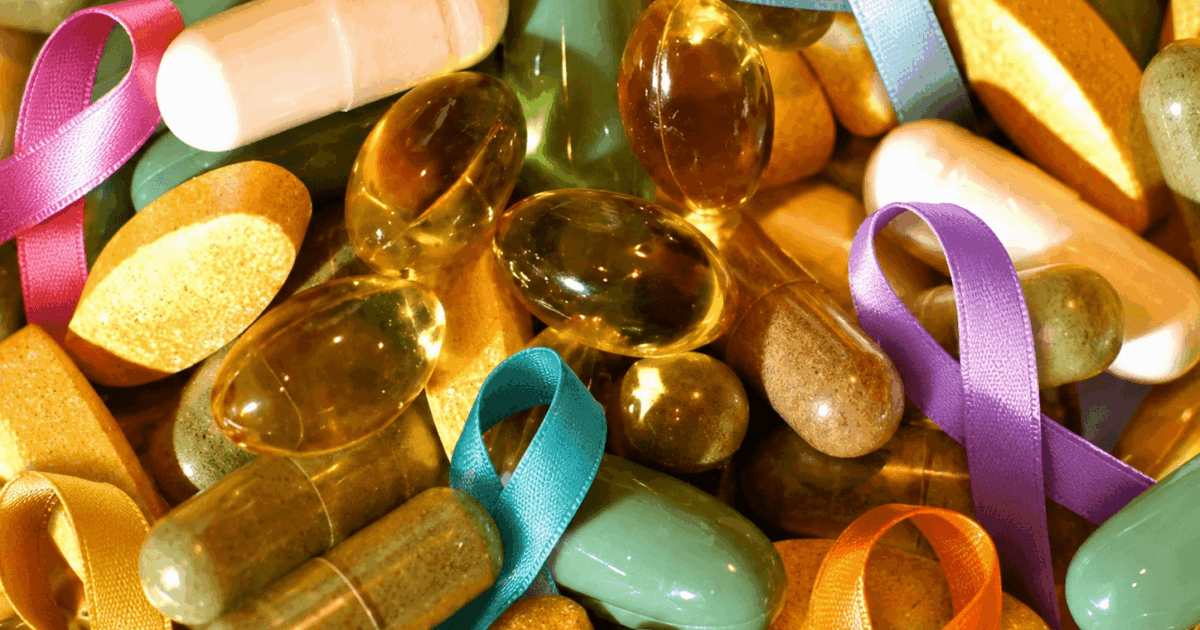
The authors describe a repeatable playbook: brand yourself as medicine’s underdog, then sell supplements or “cleanses” to followers steered away from approved treatments. Statin posts on Reddit have grown 33% annually, mostly negative, while over 40% of top TikTok cholesterol videos contain inaccuracies. “Nobody wants to be exploited,” Jensen and Tuschman write, urging tools like NewsGuard’s HealthGuard and Crickit.ai that flag dubious claims in real time, plus teaching people to spot rhetoric like “do your own research.”




|
Related on the SLP
Viewpoint: Viral social media misinformation drives cancer patients toward ‘wellness grifters’ and dangerous, unregulated supplements
|