
Will benefits of nanopesticides outweigh costs?

Stacey Harper is doggedly researching tiny, human-made substances called nanoparticles. The scientist at Oregon State University in Corvallis hopes to be able to identify which particle will be a boon and which a bane for farmers, consumers and the environment.

Nanoparticles, which are the size of molecules, are already used in numerous items from sunscreen to biomedical devices. Their minuscule size makes them efficient, but also unpredictable. Harper said the first nano-formulations of pesticides are quietly making their way onto agricultural fields, and she wants to know what happens next.

Harper said she thinks the vast majority of nanopesticides will not be toxicm, or at least no more toxic to non-target organisms than current pesticides.

By shrinking the size of individual nanopesticide droplets, there is broad consensus from industry to academia to the Environmental Protection Agency that the total amount of toxins sprayed on agricultural fields could be significantly reduced. Smaller droplets have a higher total-surface area, which offers overall greater contact with crop pests.
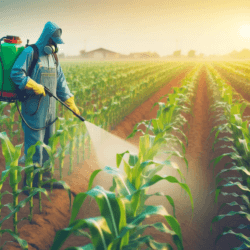
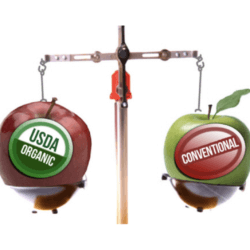
But, once they are sprayed on fields, will they clump on crops or slide through the soil into water bodies? Most worrisome, Harper said, is whether they will be readily taken up by organisms that aren’t pests, such as bees or fish, and how long they will persist in the environment.

Read full, original article: Nanopesticides illicit worry and hope

Related Articles

Infographic: Global regulatory and health research agencies on whether glyphosate causes cancer

Infographic: Global regulatory and health research agencies on whether glyphosate causes cancer

Does glyphosate—the world's most heavily-used herbicide—pose serious harm to humans? Is it carcinogenic? Those issues are of both legal and ...

Most Popular

ChatGPT-Image-Mar-10-2026-01_39_01-PM
Viewpoint—“Miracle molecule” debunked: Why acemannan supplements don’t work
Crossed-Out-Calendar-with-Milk-Carton
Viewpoint: The shocking consequences after a year of Robert F. Kennedy Jr.'s distortions, deceptions, and flat-out falsehoods
newborn baby spit up gerd
Vaccine-preventable congenital infections are a leading driver of autism
Screenshot-2026-10-07-at-1.03.15-PM
Anti-vaxxers’ double whammy: Exaggerated vaccine fears have fueled measles outbreaks and preventable deaths—and left survivors more vulnerable to other infections for years
Pride and Patriotism in the Breeze
Retreat from identity labels: Does the sharply declining number of young teens identifying as gay and bisexual reflect an ideological shift?
Frosted Blueberries Under Magnification
MAHA moms divided over RFK Jr.’s food‑safety efforts, as recall alerts grow and outbreaks spread
Screenshot-2026-10-14-at-11.45.36-AM
Viewpoint: RFK Jr.’s stacked FDA advisory council endorses multicancer screening test from ethically- questionable company that would increase false positives and waste billions of dollars
Prescription Capsules Scattered on Twenty-Dollar Bills
Facts & Fallacies podcast: America's health care system is broken. A doctor explains how to fix it, Part 2
Screenshot-2026-10-08-at-10.41.33-AM
Viewpoint: Wellness patches: Most vitamin supplements are useless and sometimes even dangerous, but this craze is even worse
Screenshot-2026-10-15-at-12.13.33-PM
Ahead of the midterms, Meta has paid at least 29 anti-LGBTQ accounts for their posts
Misinformation-Shatters-the-Clockwork-Mind
Viewpoint: The price Americans pay for science denialism
Screenshot-2026-10-14-at-12.47.21-PM
Viewpoint: Are these Trump-conservative GOP doctor-politicians violating their medical oath?
Cross and Syringe Standoff
Viewpoint: Hijacking Jesus: How anti-vaccine fanatics are exploiting religious exemptions and killing children
glp menu logo outlined

Get news on human & agricultural genetics and biotechnology delivered to your inbox.






















