


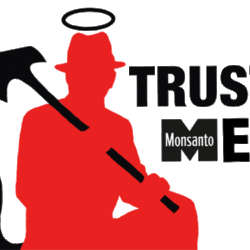
Genetically modified organisms, or GMOs, have caused increasing controversy in recent years with various experts and non-experts alike weighing in on whether they’re safe and whether labels should disclose their presence. Monsanto, a company that has made and is making billions from GMOs, is often linked to such discussions and has many foes.
It’s easy to see certain companies as villainous and to assume that tinkering with nature can be dangerous, but let’s explore whether GMOs and Monsanto deserve their sour reputation.
A GMO is an organism that has had its DNA, or genetic makeup, altered by genetic engineering in order to create a new organism with more desirable traits. What’s the problem with that? Well, let’s review what some of the anti-GMO arguments are. For starters, many worry that crops designed to resist herbicides may transfer some of that superpower to weeds, which would strengthen those crop foes. Others worry about new allergens being created, and antibiotic-resistant genes and “superbugs” emerging, too. Basically, many people see genetic modification as interfering with and changing nature, which might lead to unexpected and undesirable results in our overall ecosystem, along with some desired ones.
So, what’s to like, about GMOs? Well, a lot, actually.



Genetically modified seeds can increase crop yields significantly by having the crops more able to resist diseases and pests. Some can even withstand a few more degrees of frost or can better resist droughts, making them heartier, and again increasing yields. Some crops grow faster, too, and some have longer shelf lives, which can reduce waste.
Read full, original article: Do GMOs and Monsanto Deserve Their Villainous Reputations?
























