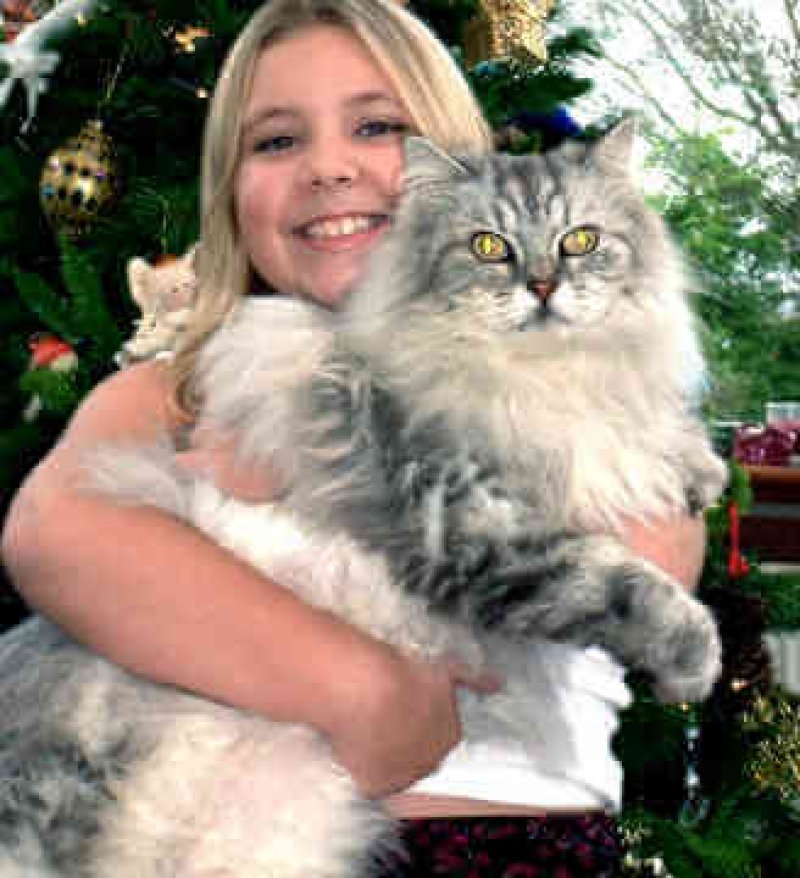
When I first read about the kittybiome project I will admit to being very skeptical. I know some truly cat-obsessed people, but hadn’t considered that they would take personal interest in their pet’s microbial colonization status. I also thought isn’t the cat-internet trope played out? They are everywhere talking about cheezburgers. I myself have three cats (by marriage), and while I do love them 60 percent of the time, the other 40 I consider them to be total Miltons.
But after some research, I think the cats might really have something to offer. They present the chance to study a mammal that lives near us and has experienced shifts in diet and living conditions alongside of us. But, at the same time, cats (at least domestic ones) have more easily controlled environments—they don’t leave the apartment— and their diet is easier to experimentally control than a humans.
Cats also have a number of diseases in common with people like Type 2 diabetes, thyroid disease and irritable bowel disorder according to microbiologist Holly Ganz who works on the Kittybiome project. Two of these conditions have been associated with microbial disruption, at least in humans. Cats also get some cancers like we do. Turns out that they’ve been doing science for a long time.
“The complete cat genome could improve understanding, and treatment, of the more than 250 diseases that afflict humans and cats in similar ways,” Nick Stockton wrote at Wired after the cat genome was sequenced last year.
Domestic cats migrated throughout human history alongside of us. And they’ve acclimated to new environments, like the couch, just like we have. Feral cats are an exception, but the Kittybiome is going to sequence them, too. They will also sequence some ‘big cats’ like cheetahs, lions and tigers. The dietary and living differences between the groups may track what we know of the difference between the microbiota colonizing human hunter gatherer populations and those living in the Western world. Most indoor cats eat processed kibble, which also reflects the diet of many people living in the West.
If the citizen scientists funding the kittybiome project are so inclined, some could potentially enroll their pets in ongoing studies where diet could be manipulated and changes in gut tracked. Although they may not like it, domestic cats eat the same thing for most meals. And its fairly easy to control how much. Human owners can hold some variables of cat life steady while they manipulate others and watch what comes out the other end, so to speak. It’s an experimental design dream.

As mentioned before, the cat genome is sequenced, so researchers can also investigate whether cats with certain genetic profiles are more likely to be colonized by specific bacteria or develop disease when the microbes shift.
A further plus for the cat model: kitties love getting the attention. It drives the dog mad.
Meredith Knight is a contributor to the human genetics section for Genetic Literacy Project and a freelance science and health writer in Austin, Texas. Follow her @meremereknight.
Additional Resources:
- Of mice and men: Comparing genetics raises new questions about reliability of rodent studies, Genetic Literacy Project
- Human genes can replace animal models in ‘knockout’ studies, Genetic Literacy Project
- Animal models get closer to mimicking humans: Could help with treatment of diseases, Genetic Engineering & Biotechnology News