Meat consumption is increasing around the world as countries become wealthier. That leaves us with the practical meat question — that is, the question most likely to make a difference in practice: What’s the best way to produce all this meat?
When I put this to U.C. Davis animal scientist Frank Mitloehner, he gave me a simple answer: We should produce meat as efficiently as possible. “What is directly linked to meat’s footprint is efficiency. When production per animal goes up, emissions go down. That has profound impacts,” he said. “Profound impacts.”
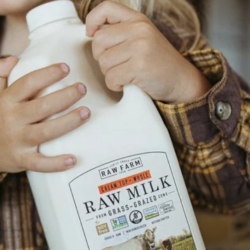
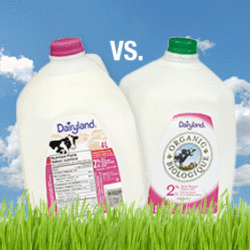
To show how this works, Mitloehner took the example of dairy cows. The average dairy cow in California produces 20,000 pounds of milk a year. But the average dairy cow in Mexico produces only 4,000 pounds of milk a year, while in India it’s just 1,000 pounds. The difference comes from better feed, better veterinary care, and better genetics. If Mexican and Indian cows were like California (bovine) girls, they would produce the same amount of milk with way fewer animals, which means way less climate impact.
Ermais Kebreab, a scientist who studies greenhouse gas emissions from livestock, explained: “The way things are going, developing countries basically have more and more animals with the same level of efficiency, and I think that’s not great for the environment, or for the producers,” he told me.



When I asked cattle geneticist Alison Van Eenaaman where we might find low-hanging fruit, she suggested working on disease resistance. “We lose 20 percent of animal protein to disease,” she said. “I think genetics is the best way to work on that because once you have the disease resistance in there it’s inherited and it’s free to the offspring.”
The GLP aggregated and excerpted this blog/article to reflect the diversity of news, opinion and analysis. Read full, original post: To make meat greener, make it more efficiently