The GLP aggregated and excerpted this blog/article to reflect the diversity of news, opinion and analysis.
A team from Sussex University found that the pollen of wildflowers within one to two metres of an oilseed rape crop, contained neonicotinoid concentrations up to 86 parts per billion (ppb) in pollen. The maximum pesticide residue recorded in crop pollen was 11.1ppb.
The use of neonicotinoids is controversial and has been blamed for a decline in pollinators and contributing to honeybee colony losses.
‘The concentrations in the wildflowers were very variable, much higher than in the crop’ says senior study author Dave Goulson.
Neonicotinoids were consistently found in the soil at field margins and this was deemed the most likely source of wildflower contamination. They are persistent in soil, says Goulson, and soil samples commonly came up positive for imidacloprid, even when farmers had not used them for at least three years.

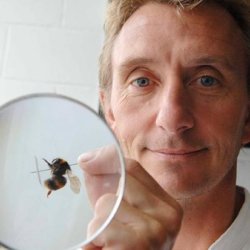



The team found that 97% of neonicotinoid residues on pollen from honeybees came from wildflowers, while only 3% came from oilseed rape. The neonicotinoid concentrations observed are lower than those likely to cause significant harm to colonies in the short term, the study authors note.
‘[Our findings] mean any insect living in hedgerows is likely to be chronically exposed,’ Goulson says. ‘Whether the concentrations are high enough to cause significant sub-lethal effects is not something we have addressed here.’ However, he notes that sub-lethal levels have been linked to damage to honeybee immune systems.
Julian Little, spokesperson for Bayer Crop Science, says the paper is ‘very much aligned with the idea that if you can find something, it must be doing harm, which goes against what we know about chemistry: it is the dose that makes the poison’.
Read full, original post: Wildflowers serve as reservoir for controversial pesticides