‘GMO wheat’? They’re already eating it in Europe– They call it ‘organic’

Japan calls for more GMO info before lifting US wheat ban strict xxl

The GLP aggregated and excerpted this blog/article to reflect the diversity of news, opinion and analysis.

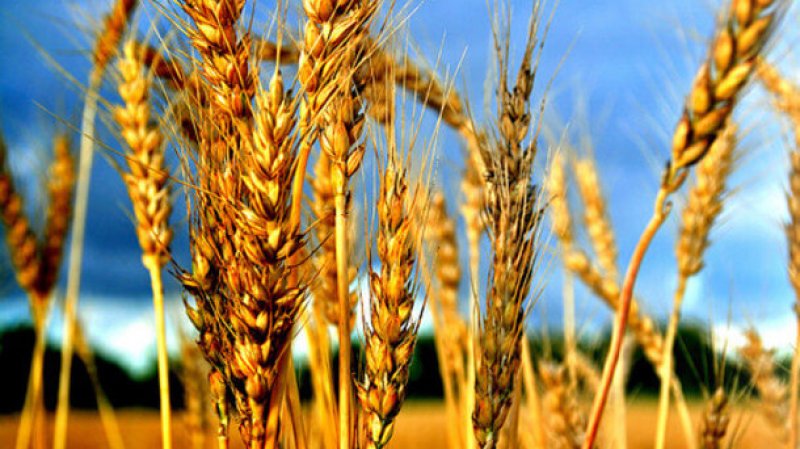
Here’s my summary of “Un blé bio génétiquement modifié, ça existe déjà.” The article describes in detail how a popular European organic wheat variety was created using transgenic techniques. In fact, this organic wheat variety may be the only GM wheat commercially available in the world. Whoever thought that France and organic agriculture would be world leaders for the introduction of GM wheat? . . .

The variety is ‘Renan’ which is apparently popular with organic wheat growers in France and German, in part because of its good genetic resistance to several types of rust and ‘eye spot’ disease. The most notable difference between Renan and other types of GM transgenic events is that Renan has small pieces of chromosomes transferred from another species which will not cross naturally with bread wheat (Triticum aestivum) – compared to single transferred genes as with other GM events/varieties (examples, Bt corn/cotton, herbicide-tolerant crops and ‘Golden Rice’).  . .

So what’s the difference between Renan and many other GM crop varieties? Not much it appears except for the fact that Renan contains much more transgenic material, has not undergone the large amount of testing for safety and environmental impact as other GM events, and little is known about the mechanisms of the transferred genes.

Think of that while you enjoy your baguette at an organic café sur la Rive Gauche, Paris.

Read full, original post: “A Genetically Modified Organic Wheat? It Already Exists”

{{ reviewsTotal }}{{ options.labels.singularReviewCountLabel }}
{{ reviewsTotal }}{{ options.labels.pluralReviewCountLabel }}
{{ options.labels.newReviewButton }}
{{ userData.canReview.message }}

Related Articles

Infographic: Global regulatory and health research agencies on whether glyphosate causes cancer

Infographic: Global regulatory and health research agencies on whether glyphosate causes cancer

Does glyphosate—the world's most heavily-used herbicide—pose serious harm to humans? Is it carcinogenic? Those issues are of both legal and ...

Most Popular

Credit: ACSH
Viewpoint: Who and what’s to blame for the surge in vaccine-preventable diseases?
ChatGPT-Image-May-28-2026-12_56_54-PM
Viewpoint: Vaccines' non-specific effects? The ‘shoddy’ Danish couple whose 'research’ inspires RFK, Jr.’s health delusion
Organic-Produce
Viewpoint: Why you should ignore organic food advocates’ advice to avoid ‘pesticide soaked’ conventional fruits and vegetables
Screenshot-2026-06-05-at-2.12.30-PM
Some plants can poison you. So how did humans figure out what is safe to eat?
Screenshot-2026-06-08-at-11.05.51-AM
Can vaping lead to cancer? New ‘association study’ raises questions of “links"
ChatGPT Image Jun 3, 2026, 03_14_43 PM
Viewpoint: How Earthjustice became the poster child for the abuse of special interest activist funding
Screenshot-2026-06-05-at-3.30.20-PM
Republican lawmakers spread misinformation claiming solar farms permanently destroy potato farms
ChatGPT-Image-Jun-5-2026-01_17_48-PM
GLP-1 weight-loss drugs may reshape our desires and emotions
edb7f6d7-2370-418f-9578-74e29678e35c
Facts & Fallacies Podcast: Nicotine vaping—public health miracle, or risk to children? Professor Cliff Douglas
Screenshot-2026-06-08-at-10.19.30-AM
‘Natural’ wellness supplements linked to liver injury
ChatGPT-Image-Mar-10-2026-01_39_01-PM
Viewpoint—“Miracle molecule” debunked: Why acemannan supplements don’t work
ChatGPT-Image-Jun-5-2026-02_48_23-PM
Viewpoint: How Dr.TikTok (falsely) convinced me that cortisol was running my health
glp menu logo outlined

Get news on human & agricultural genetics and biotechnology delivered to your inbox.