Improving crop yields necessary to save biodiversity, lower greenhouse emissions

crops
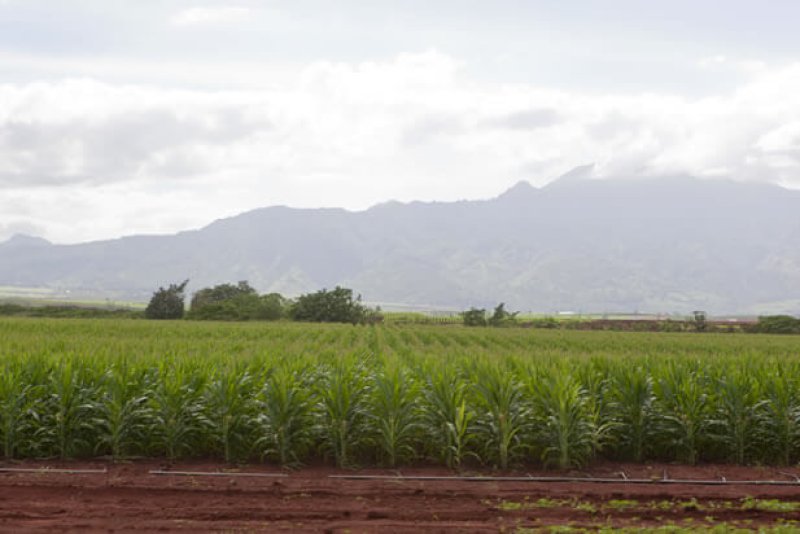
Photo: Ian Umeda via Earth Island Journal

The GLP aggregated and excerpted this blog/article to reflect the diversity of news, opinion and analysis.

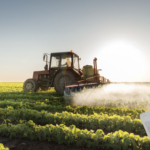
Expansion of land area used for agriculture is a leading cause of biodiversity loss and greenhouse gas emissions, particularly in the tropics. One potential way to reduce these impacts is to increase food production per unit area (yield) on existing farmland, so as to minimize farmland area and to spare land for habitat conservation or restoration.

There is now widespread evidence that such a strategy could benefit a large proportion of wild species, provided that spared land is conserved as natural habitat. However, the scope for yield growth to spare land by lowering food prices and, hence, incentives for clearance (“passive” land sparing) can be undermined if lower prices stimulate demand and if higher yields raise profits, encouraging agricultural expansion and increasing the opportunity cost of conservation.

We offer a first description of four categories of “active” land-sparing mechanisms that could overcome these rebound effects by linking yield increases with habitat protection or restoration. The effectiveness, limitations, and potential for unintended consequences of these mechanisms have yet to be systematically tested, but in each case, we describe real-world interventions that illustrate how intentional links between yield increases and land sparing might be developed.

To download full-text click here: PDF

Read full, original post: How can higher-yield farming help to spare nature?

 

{{ reviewsTotal }}{{ options.labels.singularReviewCountLabel }}
{{ reviewsTotal }}{{ options.labels.pluralReviewCountLabel }}
{{ options.labels.newReviewButton }}
{{ userData.canReview.message }}

Related Articles

Infographic: Global regulatory and health research agencies on whether glyphosate causes cancer

Infographic: Global regulatory and health research agencies on whether glyphosate causes cancer

Does glyphosate—the world's most heavily-used herbicide—pose serious harm to humans? Is it carcinogenic? Those issues are of both legal and ...

Most Popular

Screenshot-2026-04-22-at-12.21.32-PM
Viewpoint: Why the retracted Monsanto glyphosate study doesn’t change the science—the world’s most popular herbicide is safe 
Picture1
The FDA couldn’t find a vaccine safety crisis, so it buried its own research
ChatGPT-Image-May-1-2026-11_42_59-AM-2
Viewpoint: NAD is the wellness grifters latest evidence-lite longevity fad. At least the mice are impressed.
global warming
‘Implausible’: Top climate scientists reject worst-case scenario—soaring temperatures and fast-rising sea levels
vax-misinformation-main
Facts & Fallacies Podcast: Limit free speech to blunt social media misinfo?
ChatGPT-Image-Apr-16-2026-02_56_53-PM
Financial incentives, over diagnosis, and weak oversight: Autism claims are driving up Medicare costs
Screenshot-2026-05-21-at-12.15.17-PM
UK gene-editing milestone: Livestock barley that increases ruminant value and reduces methane emissions is first-approved CRISPR crop
Screenshot-2026-05-21-at-3.15.53-PM
Chiropractors may no longer be modern-day snake oil salesmen, but the benefits of their therapy are limited–at best
ChatGPT-Image-May-12-2026-11_27_01-AM-2
AI likely to improve health care, research shows—but not for blacks and ethnic minorities
Screenshot-2026-05-20-at-5.11.17-PM
Viewpoint: No, sugar doesn’t ‘feed’ cancer — common cancer myths, debunked
glp menu logo outlined

Get news on human & agricultural genetics and biotechnology delivered to your inbox.