WHO’s much-criticized agency IARC’s quizzical flip flop on whether coffee poses cancer hazard

Sable Comic Coffee Cups

For decades, the International Agency for Research on Cancer (IARC) warned coffee drinkers that their favorite beverage might cause cancer. Finally, IARC revisited its decision and reclassified coffee, downgrading it from “possibly carcinogenic” to “not classifiable.” While this decision is a step in the right direction, it raises new questions and concerns.

BACKGROUND:

  • In 1991, IARC classified coffee as a Group 2B carcinogen (possibly carcinogenic). IARC claimed the data was “consistent with a weak positive relationship between coffee consumption and the occurrence of bladder cancer” but conceded that “the possibility that this is due to bias or confounding cannot be excluded.” No other cancer associations were found by IARC.
  • In June 2016, IARC acknowledged its finding was inconsistent with two decades of scientific study, and updated its assessment of coffee to Group 3 or “Not classifiable as carcinogenic to humans.”
  • It was surprising IARC did not categorize coffee in Group 4 in light of the considerable evidence supporting the significant health benefits of coffee consumption including protection against Parkinson’s disease, liver disease, type 2 diabetes and liver cancer.

“We can’t say that it’s completely safe because proving a negative is very difficult, but it has moved down a step in terms of the hierarchy of concern.”– Dana Loomis, Deputy Section Head of IARC Monographs (July 18, 2016)
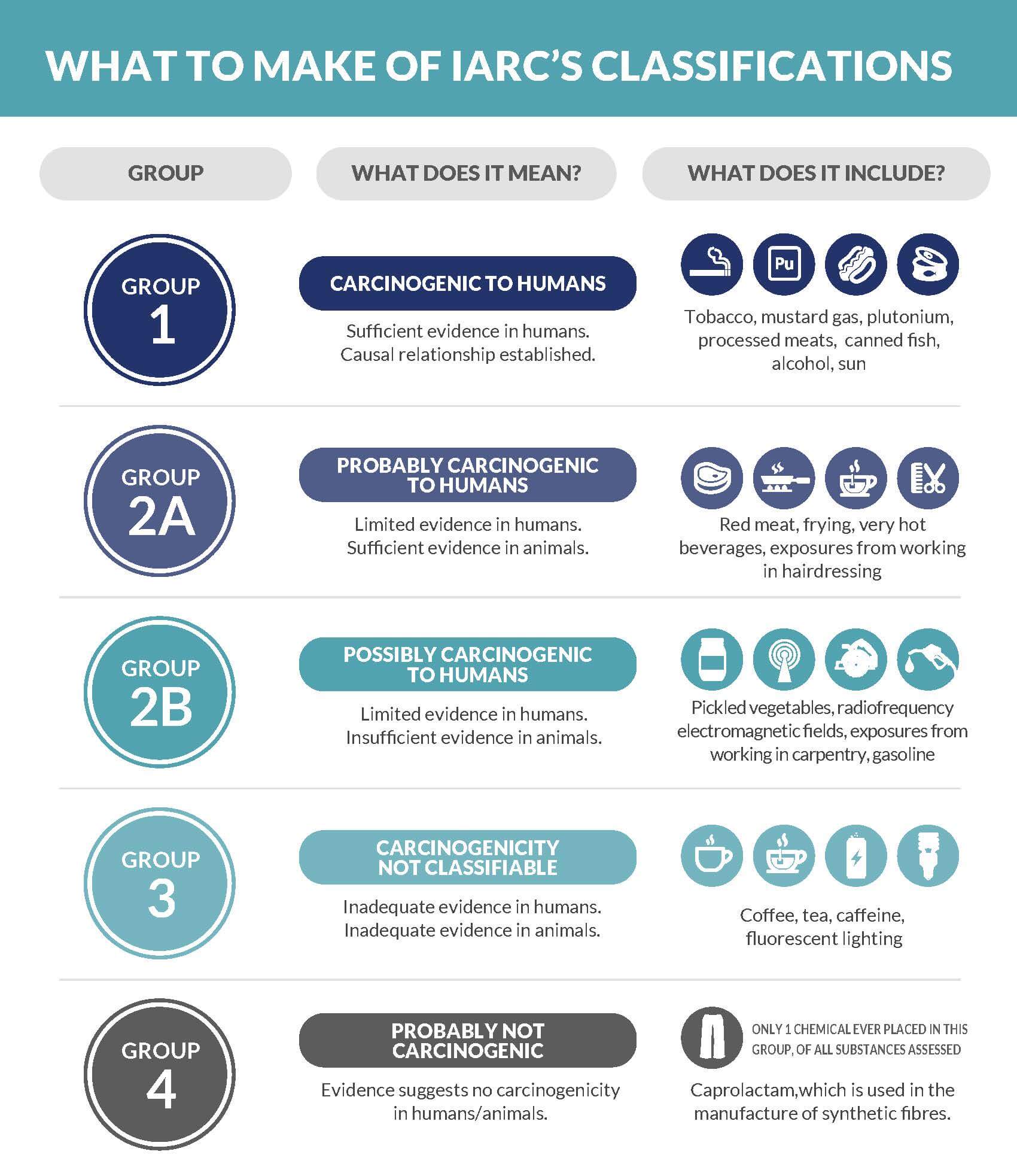
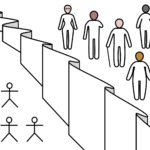
Carcinogen Classifications

The GLP aggregated and excerpted this blog/article to reflect the diversity of news, opinion, and analysis. Read full, original post: THE FACTS: IARC’S PUZZLING STANCE ON COFFEE – MONOGRAPH 116

{{ reviewsTotal }}{{ options.labels.singularReviewCountLabel }}
{{ reviewsTotal }}{{ options.labels.pluralReviewCountLabel }}
{{ options.labels.newReviewButton }}
{{ userData.canReview.message }}

Related Articles

Infographic: Global regulatory and health research agencies on whether glyphosate causes cancer

Infographic: Global regulatory and health research agencies on whether glyphosate causes cancer

Does glyphosate—the world's most heavily-used herbicide—pose serious harm to humans? Is it carcinogenic? Those issues are of both legal and ...

Most Popular

Screenshot-2026-04-20-at-2.26.27-PM
Viewpoint — Food-fear world: The latest activist scientists campaign: Cancer-causing additives
Screenshot-2026-03-13-at-12.14.04-PM
The FDA wants to make many popular prescription drugs OTC—a great idea. Here’s why it’s unlikely to happen
Screenshot-2026-05-01-at-11.56.24-AM
‘Science moves forward when people are willing to think differently’: Memories of DNA maverick Craig Venter
ChatGPT-Image-May-1-2026-02_20_13-PM
How RFK, Jr.’s false vaccine claims are holding up $600 million to fight diseases in poor countries
Screenshot-2026-04-03-at-11.15.51-AM
Paraben panic: How a flawed study, media hype, and chemophobia convinced the public of the danger of one of the safest classes of preservatives
viva-la-vida-watermelons
Misinformation and climate change are endangering summer watermelons
Screenshot-2026-04-30-at-2.19.37-PM
5 myths about summer dehydration that could damage your health — or even kill you
ChatGPT-Image-Mar-27-2026-11_27_05-AM
The myths of “process”: What science says about the “dangers’ of synthetic products and ultra-processed foods
ChatGPT-Image-Mar-10-2026-01_39_01-PM
Viewpoint—“Miracle molecule” debunked: Why acemannan supplements don’t work
Drinking lots of water can help reduce the effects of aging
Nanoplastics in drinking water: MAHA activists forge science-based bipartisan coalition 
Screenshot-2026-05-04-at-12.54.32-PM
How Utah became the country’s supplement capital  — and a haven for unregulated, ineffective and fake products
79d03212-2508-45d0-b427-8e9743ff6432
Viewpoint: The Casey Means hustle—Wellness woo opportunism dressed up as medical wisdom
glp menu logo outlined

Get news on human & agricultural genetics and biotechnology delivered to your inbox.