Next big thing in the world of crime solving: Epigenetics?

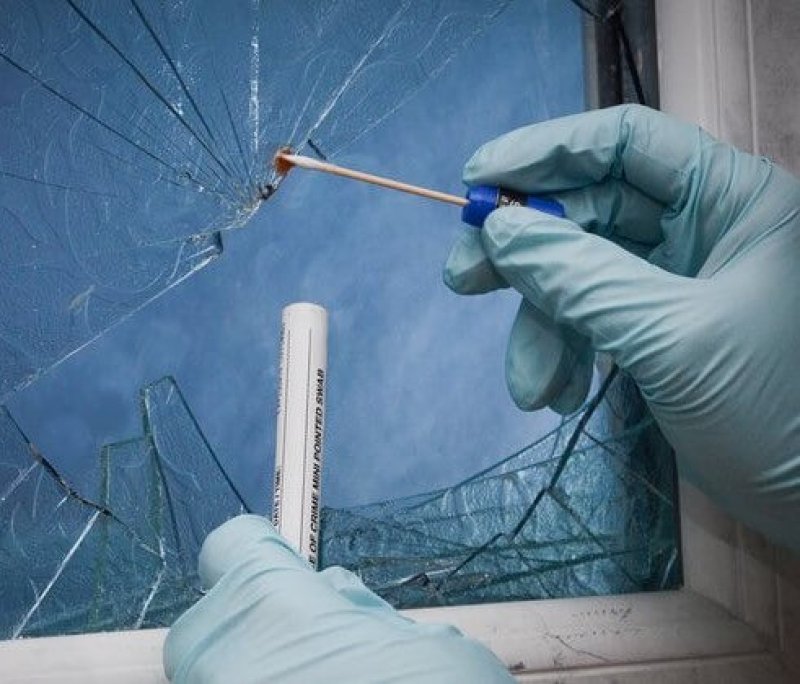
[A]dvances in epigenetics – the study of reversible chemical modifications to chromosomes that play a role in determining which genes are activated in which cells – might soon start making their way out of research labs and into criminal forensics facilities.

The things we get up to while our epigenetic clocks are ticking can also leave their mark on our DNA. Cigarette smoking correlates with characteristic and persistent epigenetic changes. The same goes for cocaine, opioids and other illicit substances. There’s also some evidence for epigenetic signatures of obesity, traumatic childhood experiences, exposure to tobacco in the womb, season of birth, exposure to environmental pollution, [and] exercise….

There are also ways to detect non-epigenetic evidence of environmental exposures that we all experience For example, international travel or exposure to certain chemicals or experiences can change the composition of the microbiome.

Existing epigenetic analysis methods also use impracticably large samples of blood or tissue, much more than is usually available at a crime scene…However, these technical challenges will hopefully soon be overcome, and it’s not too early to start thinking about the legal implications of this type of information.

The GLP aggregated and excerpted this blog/article to reflect the diversity of news, opinion, and analysis. Read full, original post: Forensic DNA profiling might be about to take a big leap forward. Are we ready?

{{ reviewsTotal }}{{ options.labels.singularReviewCountLabel }}
{{ reviewsTotal }}{{ options.labels.pluralReviewCountLabel }}
{{ options.labels.newReviewButton }}
{{ userData.canReview.message }}

Related Articles

Infographic: Global regulatory and health research agencies on whether glyphosate causes cancer

Infographic: Global regulatory and health research agencies on whether glyphosate causes cancer

Does glyphosate—the world's most heavily-used herbicide—pose serious harm to humans? Is it carcinogenic? Those issues are of both legal and ...

Most Popular

ChatGPT-Image-Jun-15-2026-11_00_13-AM-2
Glucosamine alert: Alzheimer’s progresses faster among those taking the popular supplement
Screen Shot at AM
Facts & Fallacies Podcast: Right-wing politics bad for your health? Separating speculation from science
ChatGPT-Image-Jun-9-2026-01_11_37-PM
Turmeric supplements: More risks than benefits
ChatGPT-Image-Jun-15-2026-12_13_41-PM
Viewpoint: Behind the effort to re-purpose the tobacco attack strategy to fight ultra-processed foods
ChatGPT-Image-Jun-3-2026-04_29_13-PM
Viewpoint: While unvaccinated children are dying overseas, Congress challenges Trump and Kennedy’s block on aid
Screenshot-2026-06-12-at-2.10.55-PM
Physician warns online statin myths delay care and raise heart risk
ChatGPT-Image-Jun-14-2026-09_41_44-AM-2
Viewpoint—‘The gleeful efficiency of an arsonist’: Administration’s health and science research cuts are ‘sabotaging’ America’s future
ChatGPT-Image-Mar-10-2026-01_39_01-PM
Viewpoint—“Miracle molecule” debunked: Why acemannan supplements don’t work
Screenshot-2026-06-14-at-9.14.26-AM
‘Humanitarian catastrophe’: Trump’s USAID shutdown could help drive nearly 23 million deaths — including 5.4 million children — by 2030, Lancet study warns
ChatGPT-Image-Jun-11-2026-01_15_03-PM
Selective Pressure, Selective Silence
Screenshot-2026-06-05-at-2.12.30-PM
Some plants can poison you. So how did humans figure out what is safe to eat?
ChatGPT-Image-Jun-15-2026-10_42_06-AM
Viewpoint: ‘Steroid Olympics’ marketing stunt: ‘It seemed less like a sporting event and more like a loss leader to peddle testosterone injections, GLP-1s, and peptides’
glp menu logo outlined

Get news on human & agricultural genetics and biotechnology delivered to your inbox.