Winter harvest? Russian grass genes could hold key to developing cold-tolerant corn, sugar cane

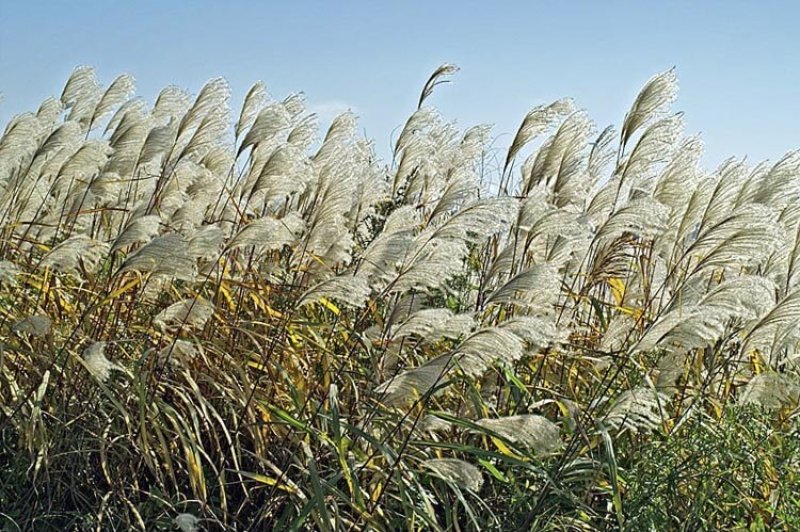
Miscanthus sacchariflorus

Winters in eastern Russia are intensely cold, with air temperatures regularly reaching minus 30 degrees in some locations. It is a seemingly inhospitable climate, but native plants have found ways to thrive there.

University of Illinois plant geneticist Erik Sacks suspected one of these plants may hold the key to breeding cold-tolerant food and biomass crops.

To find out, the modern-day botanical explorer set off across eastern Russia with colleagues … to collect specimens of the perennial grass Miscanthus sacchariflorus.

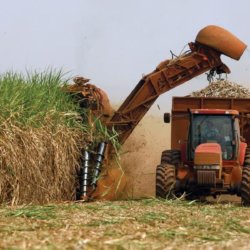
“Miscanthus is part of a tribe of grasses, the Andropogoneae, that includes sorghum, sugarcane, and corn,” Sacks explained. “Because it is found so far north, this population of Miscanthus sacchariflorus is likely the most cold-hardy of that group. If we want to improve cold hardiness in this very important group of plants, this is going to be best population to study.”

The analysis also showed that plants in the collection were genetically diverse, a fact that could potentially be exploited by breeders to express desirable traits in new miscanthus varieties or to add greater cold hardiness to its relatives, sugarcane and maize.

[Read the full study here.]

The GLP aggregated and excerpted this blog/article to reflect the diversity of news, opinion, and analysis. Read full, original post: Improving cold hardiness in miscanthus

{{ reviewsTotal }}{{ options.labels.singularReviewCountLabel }}
{{ reviewsTotal }}{{ options.labels.pluralReviewCountLabel }}
{{ options.labels.newReviewButton }}
{{ userData.canReview.message }}

Related Articles

Infographic: Global regulatory and health research agencies on whether glyphosate causes cancer

Infographic: Global regulatory and health research agencies on whether glyphosate causes cancer

Does glyphosate—the world's most heavily-used herbicide—pose serious harm to humans? Is it carcinogenic? Those issues are of both legal and ...

Most Popular

Screenshot-PM-24
Viewpoint: The herbicide glyphosate isn’t perfect. Banning it would be far worse.
d-b
Blocked arteries, kidney stones, nausea, constipation, fatigue: Long list of health problems caused by too much vitamin D 
79d03212-2508-45d0-b427-8e9743ff6432
Viewpoint: The Casey Means hustle—Wellness woo opportunism dressed up as medical wisdom
ChatGPT-Image-Mar-10-2026-01_39_01-PM
Viewpoint—“Miracle molecule” debunked: Why acemannan supplements don’t work
ChatGPT-Image-Apr-30-2026-12_21_05-PM-2
The tech billionaires behind the immortality movement
ChatGPT-Image-Apr-30-2026-05_00_48-PM
Wellness grifter physician turned wellness influencer out as surgeon general nominee
ChatGPT-Image-Mar-27-2026-11_27_05-AM
The myths of “process”: What science says about the “dangers’ of synthetic products and ultra-processed foods
Screenshot-2026-04-30-at-12.49.48-PM
‘Alarming’: Nicotine’s wellness rebranding

Sorry. No data so far.

glp menu logo outlined

Get news on human & agricultural genetics and biotechnology delivered to your inbox.