US corn farmers switching to more-profitable soybeans to meet rising demand in China

soybean paraguay

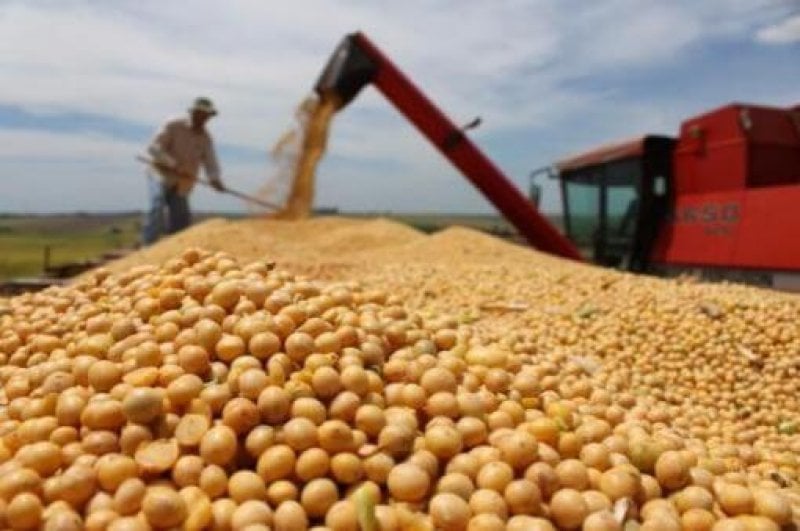
Planting decisions for U.S. corn and soybean farmers are a bit of a no-brainer this year. After confronting the prospects of losses on both crops in 2016, soybeans are now more profitable, which means the world’s largest grower may harvest a record crop for a second straight year.

While corn is still king — it’s the largest U.S. crop by value and volume — farmers from North Dakota to Texas are preparing to use more of their land on soybeans instead. That’s because cash prices have jumped 9.2 percent since the 2016 harvest, creating the widest premium over corn in 29 years, and the oilseed is cheaper to grow.
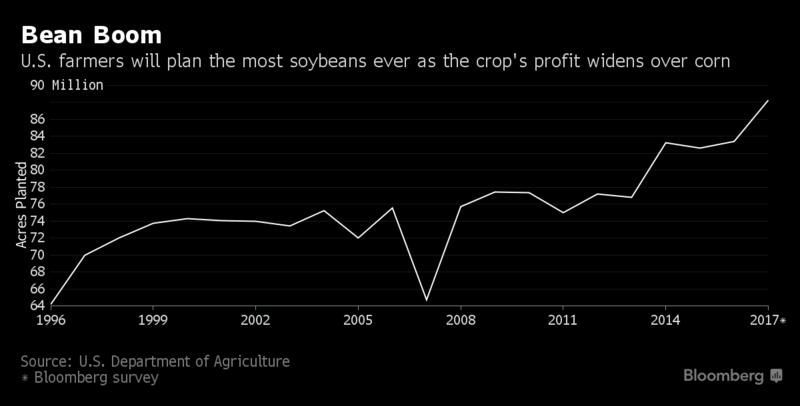
Seed technology that combats drought, bugs and disease is helping U.S. farmers produce record amounts of corn and soybeans on every acre, but demand prospects are better for soybeans used to make animal feed, cooking oil and biofuel. Rising global consumption of meat, poultry, eggs and dairy has doubled the amount of soy-based meal in animal feed since 2000. Most of that growth occurred in China, the biggest pork producer, where soybean imports have doubled in the past eight years.

The GLP aggregated and excerpted this blog/article to reflect the diversity of news, opinion, and analysis. Read full, original post: Planting Decision No Brainer as U.S. Farms Swap Corn for Soy

{{ reviewsTotal }}{{ options.labels.singularReviewCountLabel }}
{{ reviewsTotal }}{{ options.labels.pluralReviewCountLabel }}
{{ options.labels.noReviewsLabel }}
{{ options.labels.newReviewButton }}
{{ userData.canReview.message }}

Related Articles

Infographic: Global regulatory and health research agencies on whether glyphosate causes cancer

Infographic: Global regulatory and health research agencies on whether glyphosate causes cancer

Does glyphosate—the world's most heavily-used herbicide—pose serious harm to humans? Is it carcinogenic? Those issues are of both legal and ...

Most Popular

Picture1
Hiroshima at 81: America’s new nuclear bomb, a buried Iranian target, and a question no one wants to ask
ChatGPT-Image-Mar-10-2026-01_39_01-PM
Viewpoint—“Miracle molecule” debunked: Why acemannan supplements don’t work
Screenshot-2026-07-31-at-10.10.55-AM
Viewpoint: ‘Misinformation' about the effects of offshore wind turbines on marine life could derail offshore wind farm projects 
ChatGPT Image Jul 29, 2026, 06_26_01 PM 2
Facts & Fallacies podcast: Organic food myths make a comeback on Instagram, with Dr. Kevin Folta
ChatGPT-Image-Jul-10-2026-09_42_12-AM-1
Peptides, patient autonomy, and the limits of medical freedom
ChatGPT-Image-Jul-10-2026-12_21_03-PM
Viewpoint: Is there new evidence that the animal deworming drug ivermectin decreases the risk of Covid and cancer? Don’t waste your money.
ChatGPT Image Jul 29, 2026, 10_17_59 AM
Viewpoint: What does it mean when critics of conventional agriculture say many fruits and vegetables are “linked” to pesticide poisoning?
ChatGPT Image Jul 31, 2026, 08_05_37 AM
With trust in RFK, Jr.'s CDC vaccine advice collapsing, physicians scramble to fill the information gap
Screenshot-2026-07-09-at-1.09.25-PM
Anti-vaccine myths rattle health care
ChatGPT-Image-Jul-31-2026-07_35_35-AM
Wikipedia has assembled an informative list of fake news websites from across the ideological spectrum
Screenshot-2026-07-31-at-9.37.42-AM
Obsessing about ultra-processed foods but ignoring what matters far more: A balanced diet
ChatGPT-Image-Jul-22-2026-09_13_07-AM
Viewpoint—The Strategic Litigation boom: Understanding the tightening coalition among NGOs, foundations, journalists, and tort lawyers
glp menu logo outlined

Get news on human & agricultural genetics and biotechnology delivered to your inbox.