[Editor’s note: The following article has been translated from Dutch and lightly edited for clarity.]
[Editor’s note: Hidde Boersma is a microbiologist, science journalist and documentary filmmaker based in Amsterdam.]
I used to think Greenpeace was great.
…
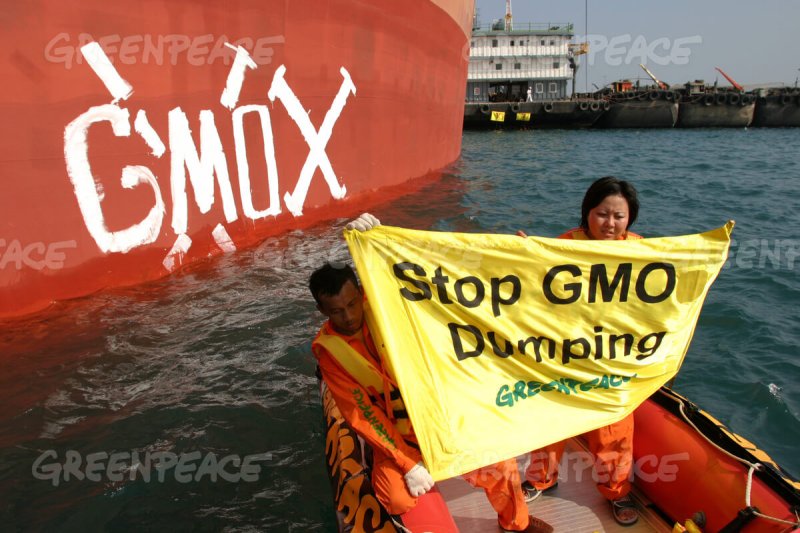
Twenty-five years later, I find myself on a Wednesday afternoon in a Radio 1 studio in front of Herman Bekkem, campaign manager of Greenpeace sustainable agriculture. We are opposed to each other in a fierce debate: I, now grown into a microbiologist and science journalist, accusing Greenpeace of being responsible for the death of poor people. Bekkem objects that I proclaim a controversial opinion purely out of personal gain. The radio debate is just one of the many times I have collided in recent years with the environmental organization. The issue that we can not always agree: genetic modification.

Genetic modification, or genetic engineering, is the method by which genes are transferred in a laboratory from one organism to another. Especially agricultural uses are controversial. Googling for ‘genetically modified food’, you see warnings about the most terrible diseases, from allergies to cancer to HIV. In some African countries, it is the story that children can turn gay from eating modified food. Click on Google Images and you see mice with giant tumors. Even Monsanto, one of the largest biotech seed companies in the world, is frequently found, often in combination with gas masks, skulls and the radioactivity symbol. That company must be the devil.
But the bulk of this information is not true, I know, after years of research into genetic engineering. The technique can help both people and the planet, I am convinced.
…

The term fake news may really have been broken in the past year, scientists have struggled for at least a decade it. GM Crops responsible for suicides in India? Zika caused by GM mosquitoes? Monsanto’s human rights tribunal in The Hague? GM secretly a population of control funded by Bill Gates? All demonstrably false. But I’ve seen messages one by one come along on my Facebook Timeline, shared by people I’ve been high.
The information comes from sites such as the popular NaturalNews.com, which is full of conspiracy theories, or Vani Hari, known as The Food Babe who crusades against anything to do with modern agriculture and food production. As an advocate of genetic engineering, it is difficult to debate: at parties, I am constantly on the defensive with such stories. By the time I got those stories a negated by one, the party is already over.
The underlying sentiment shared by the critics, and so are my friends, is a big inconvenience with modern society, which has become too opaque and impersonal. Life in the 21st century requires great trust in institutions. Before food on your plate, it has gone through a chain that is so long and so full of major companies and government agencies far, that for the average citizen hardly is to oversee, let alone control. In reaction, people choose natural, organic and directly from the farmer. That gives an air of confidence and control. Tech genetic modification does not fit with that.
…
The resistance to GM has become part of the culture wars, a duel between left and right that is not about facts but about values. The term comes from the United States, describing the trend that started for many subjects positions along political lines. This applies to climate change, gun control and abortion. And also for GM: hear a righteous, urban progressive opposition to the technique, no matter what the science says. Using confirmation bias, NaturalNews feeds my friends misinformation that fits into their world and they so eagerly embrace.
The GLP aggregated and excerpted this blog/article to reflect the diversity of news, opinion, and analysis. Read full, original post: Greenpeace is wrong, GM is amazing (in Dutch)