More than just cavemen: ‘Flexible’ Neanderthals also lived in open landscapes

Picture
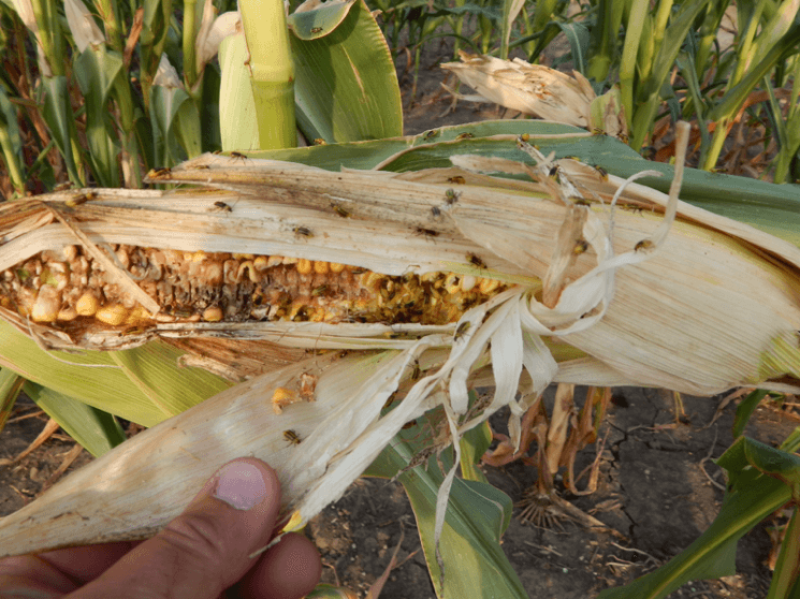
corn rootworm beetles

An Israeli-led study of the skeletal remains of two humans from the late Middle Paleolithic period, between 70,000 and 60,000 years ago, has yielded surprising findings. In analyzing the first Neanderthal remains found outside caves in the Levant, researchers have found Neanderthals were not merely “cavemen,” but much more flexible in their living habits than commonly held.

The findings of their study — published Wednesday in the journal Nature Scientific Reports — indicate that 60,000 years ago, as modern humans reached the region, Neanderthals in the Levant inhabited both caves and open landscapes.

“The discovery of Neanderthals at open-air sites during the late MP reinforces the view that Neanderthals were a resilient population in the Levant shortly before Upper Palaeolithic Homo sapiens populated the region,” the article stated.

The findings of the study go a long way toward explaining the disappearance of the Neanderthals…Whereas traditional explanations hypothesize that Neanderthals in the Near East were unable to adapt to an increasingly dry climate, the Ein Qashish finds indicate that they were adapted to open-air living, [according to the Israel Antiquities Authority.]

“Our study suggests that Neanderthals were a resilient population that successfully existed in the north of Israel at the time that modern humans arrived from Africa some 60,000 years ago.”

The GLP aggregated and excerpted this blog/article to reflect the diversity of news, opinion, and analysis. Read full, original post: Who are you calling a caveman? Israeli study finds Neanderthals had versatile habitats


 

{{ reviewsTotal }}{{ options.labels.singularReviewCountLabel }}
{{ reviewsTotal }}{{ options.labels.pluralReviewCountLabel }}
{{ options.labels.newReviewButton }}
{{ userData.canReview.message }}

Related Articles

Infographic: Global regulatory and health research agencies on whether glyphosate causes cancer

Infographic: Global regulatory and health research agencies on whether glyphosate causes cancer

Does glyphosate—the world's most heavily-used herbicide—pose serious harm to humans? Is it carcinogenic? Those issues are of both legal and ...

Most Popular

wuhan institute of virology main entrance
​​COVID lab leak? Making a case that the Wuhan market origins theory is wrong
ChatGPT-Image-Mar-10-2026-01_39_01-PM
Viewpoint—“Miracle molecule” debunked: Why acemannan supplements don’t work
ChatGPT-Image-May-18-2026-12_06_18-PM-2
Defying death: The immortality movement goes mainstream
ChatGPT Image Jun 1, 2026, 11_39_17 AM
Viewpoint: When food myths go viral, farmers pay the price
ChatGPT Image May 26, 2026, 08_42_17 AM (1)
Viewpoint: Greenpeace and poison: How environmental advocacy groups rely on compliant (and often ignorant) journalists to spread disinformation and spark litigation
Screenshot-2026-06-05-at-2.12.30-PM
Some plants can poison you. So how did humans figure out what is safe to eat?
artificial intelligence brain think illustration md
Viewpoint — Digital gods and human extinction: Will we be the first species ever to design our own descendants?

Sorry. No data so far.

glp menu logo outlined

Get news on human & agricultural genetics and biotechnology delivered to your inbox.