



Chemical Controversies

5 reasons why it’s so hard to know whether ‘organic’ food is really organic
Regulating [food] supply chains to ensure, for example, that “organic” foods deserve their labels is hard. Here are five reasons ...

Plants vs pathogens: CRISPR-created crops fend off pests, add nutrition
Potato blight sparked the Irish famine in the 19th century, causing a million people to starve to death and another ...
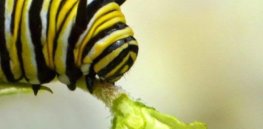
To revive monarch butterflies, plant milkweed in yards and on wild lands, study says
If Monarch butterflies are going to stay off the endangered species list, they need more to eat. And it’s up ...

Anti-pesticide, anti-nuclear activist named France’s new environment minister
The new French president stunned businesses by appointing Nicolas Hulot, an anti-nuclear and anti-pesticide environmental activist, as the country's environmental ...

Infographic: India poised to dramatically increase its global GMO footprint
GM crop footprint in India is all set to grow once the government gives its final nod to GM Mustard, ...
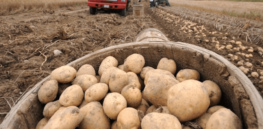
Maine approves 3 genetically engineered blight resistant potatoes that reduce pesticide use
With little fanfare, the Maine Board of Pesticides Control unanimously approved ... the registration of three new types of genetically ...
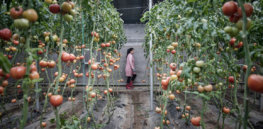
To feed 1.4 billion people China technologizing its agriculture sector–Will it be enough?
China’s 1.4 billion people are building up an appetite that is changing the way the world grows and sells food ...

New GE rice variety boosts plant’s immune system to fight multiple diseases at once
Plants don’t have a bloodstream to circulate immune cells. Instead, they use receptors on the outsides of their cells to ...

Less milkweed due to herbicide likely contributed to early monarch butterfly declines, study finds
[Monarch butterfly] numbers ... are shrinking. New research at Michigan State University, published in the current issue of the journal ...

Why GMOs face tough go in China despite huge imports and successful crops
[Editor’s note: Mark Lynas is an author and journalist who reports on crop biotechnology around the world.] Sometimes I hear ...

Plants that ‘fertilize themselves’? Gene discovery could lead to reductions in synthetic fertilizer use
The lessons of plant diversity and competition learned from a clover patch, which are featured in a special issue of ...

Hype and agroecology: Is ‘low input’ farming better for the environment and economy?
[Editor's note: Henry Miller, physician and molecular biologist, is a fellow in Scientific Philosophy and Public Policy at Stanford University’s ...

What would Whole Foods look like if it were ‘science-based’?
[Editor’s note: Jenny Splitter is a writer, storyteller and mother of two.] Whole Foods used to be my idea of ...

EU to propose 10-year extension of glyphosate herbicide
The European Commission will propose extending by 10 years its approval for weed-killer glyphosate, used in Monsanto's Roundup, a spokeswoman ...

Conflict of interest? Mother Jones’ Tom Philpott’s connections to organic industry raise concerns
Journalist Tom Philpott, who covers food and farming issues at Mother Jones, was recently the keynote speaker at a fundraising ...

Infographic: Who to trust—and who not to trust—about food and farming
With conflicting claims about scientific topics everywhere on the internet, it’s hard to know who to trust. This is especially ...
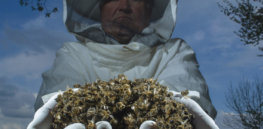
10 years after Colony Collapse Disorder scare, what have we learned about the plight of bees?
Managed honey bees are afflicted by a range of pests, viruses and predators--the worst being the Varroa mite--that have been ...

Plaintiffs suing Monsanto over alleged carcinogenicity of herbicide glyphosate say EPA colluded with company
For 12 years, [Christine] Sheppard had no idea what might have caused her non-Hodgkin's lymphoma -- until a group of ...
CSPI’s Greg Jaffe: USDA should regulate GMOs, gene-edited crops based on end-product, not process
[Editor's note: Greg Jaffe is the Director of the Project on Biotechnology for the Center for Science in the Public ...

Infographic: 6 ‘snake oil salesmen’ who profit from food fears
Several activists opposed to genetic engineering run small media empires, including websites, TV and radio programs. Scientists say they are ...

UK’s Labour Party ‘pledges to ban’ neonicotinoid insecticides if it takes power
Neonicotinoid seed treatments will be banned if Labour forms the next government, according to a leaked draft of the party’s ...
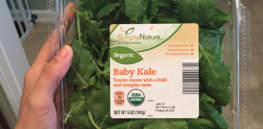
From kale to cows: Modern supermarket full of foods genetically modified by humans
Here are just a few of the modern supermarket offerings that we have been genetically modifying for centuries: Cow and ...

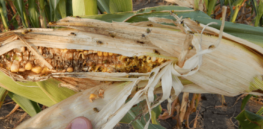
‘Unstoppable’: How corn took over America’s farmland
Farmers who had long rotated plantings among a diverse group of grains are increasingly turning to a single one. Corn ...
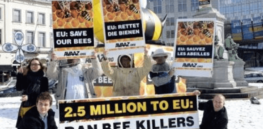
European Commission: Scientists find neonicotinoids don’t harm bees, restrictions hurt farmers—but support permanent ban
The EU's Joint Research Center found that the temporary ban on neonics did not help bees and hurt farmers' ability ...

‘Organic civil war’: Do advocates care about promoting food security and sustainability?
Last June [2016] Stephanie Strom, reporting for the New York Times, broke the story about how Whole Foods had upset ...
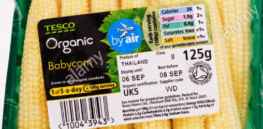
What does USDA organic label really mean? WaPo investigation finds imported corn and soy often mislabelled
A shipment of 36 million pounds of soybeans sailed late [2016] from Ukraine to Turkey to California. Along the way, ...
Federal judge rules EPA did not consider potential impact of neonicotinoids on insects besides bees
A Minnesota beekeeper has won a round against the U.S. Environmental Protection Agency (EPA) in a protracted lawsuit over a ...
