From kale to cows: Modern supermarket full of foods genetically modified by humans

baby kale

Here are just a few of the modern supermarket offerings that we have been genetically modifying for centuries:

Cow and Chicken
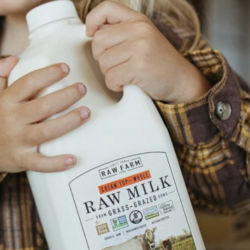
Plump white chickens belong to a domesticated subspecies of the red junglefowl of Southeast Asia. Supermarket birds are twice the size of their wild counterparts, and they lay eggs on a near-daily basis instead of a few clutches of eggs a year. Meanwhile, Holstein cows have been bred for hundreds of years to be milk-producing marvels, to the point where most milk in the U.S. comes from Holsteins.

Kale
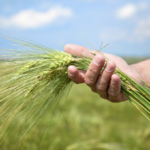
The ultimate hipster ingredient has been grown in Greek and Roman gardens for at least 2000 years. So have its cousins broccoli and cauliflower, while the Johnny-come-lately Brussels sprouts appeared by the 1600s. All these veggies descend from Brassica oleracea, a wild cabbage.

Grapefruit
By bombarding plants with x-rays, gamma rays and fast neutrons, scientists were able to create thousands of new plant varieties. Two of those are the Star Ruby and Rio Red grapefruit, with modified genes for enhanced color.

Tomatoes
Some of the unintended consequences of long-term genetic modification mean we have sacrificed flavor for visual appeal. Tomatoes, whose wild ancestors were the size of berries, were bred to be big, red, round and beautiful. In the process, they also lost some of the genes that create sugars and antioxidants, leaving us with a tomato that’s lustrous on the outside, lackluster on the inside.

The GLP aggregated and excerpted this blog/article to reflect the diversity of news, opinion, and analysis. Read full, original post: Sorry Hipsters, That Organic Kale Is a Genetically Modified Food

Related Articles

Infographic: Global regulatory and health research agencies on whether glyphosate causes cancer

Infographic: Global regulatory and health research agencies on whether glyphosate causes cancer

Does glyphosate—the world's most heavily-used herbicide—pose serious harm to humans? Is it carcinogenic? Those issues are of both legal and ...

Most Popular

Bayer Crop Circle in Golden Wheat
Making fertilizer from thin air: Bayer’s gene-editing innovation could dramatically cut chemical fertilizer use in growing food
Picture1
Viewpoint: How badly is the U.S. food-safety net fraying? FDA’s bungled handling of the tainted lettuce crisis deepens concerns over cuts to disease tracking and response
ChatGPT-Image-Mar-10-2026-01_39_01-PM
Viewpoint—“Miracle molecule” debunked: Why acemannan supplements don’t work
Glossy Plastic Bag of Tokens and Labels
Viewpoint: How CNN got played by environmental activists pushing a plastics scare and litigation agenda
Screenshot-2026-10-30-at-10.55.54-AM
Longevity scandal: The huckster who validates the ‘oldest people in the world’ claims
Screenshot-2026-11-03-at-12.31.18-PM
Gene editing once viewed with suspicion by UK  farmers, upwards of 90% now open to their sustainability benefits
Reaching Through the Woven Sky
Challenging genetic modification rejectionists: Our evolving food system has relied on science for thousands of years
Neon Genome_ Fetal Dreamscape
The race to genetically engineer babies
Smiling-Woman-Over-Teal-Abstract-Shapes
Viewpoint: RFK Jr.’s latest foray into junk science: Even Kennedy’s hand-picked NIH director balks at appointment of crackpot mental health director
ChatGPT-Image-Sep-2-2026-02_03_32-PM
How much of a problem is AI’s water use?
Screenshot 2026-07-29 at 10.40
The COVID vaccine turbo cancer scare is back. Science still proves it’s wrong.
Screenshot-2026-10-28-at-3.00.44-PM
Viewpoint: Activist attacks on corporations increasingly depend on "attribution" science to target oil companies for global climate change
glp menu logo outlined

Get news on human & agricultural genetics and biotechnology delivered to your inbox.