New GE rice variety boosts plant’s immune system to fight multiple diseases at once

Screen Shot at PM

Plants donโ€™t have a bloodstream to circulate immune cells. Instead, they use receptors on the outsides of their cells to identify molecules that signal a microbial invasion, and respond by releasing a slew of antimicrobial compounds. Theoretically, identifying genes that kick off this immune response and dialing up their activity should yield superstrong plants.

Plant biologist Xinnian Dong at Duke University in Durham, North Carolina, has been studying one of these genes for 20 yearsโ€”a โ€œmaster regulator,โ€ she says, of plant defense. The gene, called NPR1 in the commonly studied thale cress plant (Arabidopsis thaliana)โ€”a small and weedy plant topped with white flowersโ€”has been a popular target for scientists trying to boost immune systems of rice, wheat, apples, tomatoes, and more.

To make NPR1 useful, researchers needed a better control switchโ€”one that would crank up the immune response only when the plant was under attack, but otherwise would turn it down to let the plants grow. Two papers published in Nature … describe the discovery and application of such a mechanism.

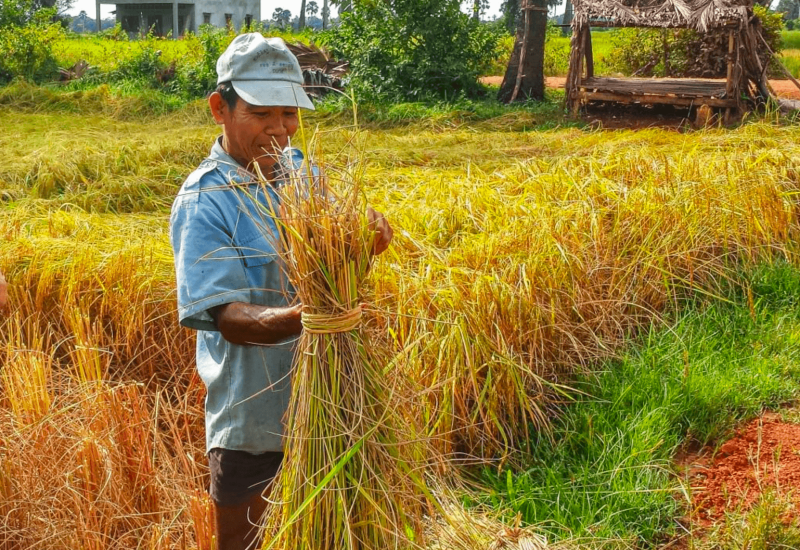
The result is a strain of rice that can rapidly and reversibly ramp up its immune system in bursts that are strong enough to fend off offending pathogens but short enough to avoid the stunted growth seen in previously engineered crops.

The GLP aggregated and excerpted this blog/article to reflect the diversity of news, opinion, and analysis. Read full, original post: Rice plant engineered with a โ€˜tunableโ€™ immune system could fight multiple diseases at once

{{ reviewsTotal }}{{ options.labels.singularReviewCountLabel }}
{{ reviewsTotal }}{{ options.labels.pluralReviewCountLabel }}
{{ options.labels.newReviewButton }}
{{ userData.canReview.message }}

Related Articles

Infographic: Global regulatory and health research agencies on whether glyphosate causes cancer

Infographic: Global regulatory and health research agencies on whether glyphosate causes cancer

Does glyphosateโ€”the world's most heavily-used herbicideโ€”pose serious harm to humans? Is it carcinogenic? Those issues are of both legal and ...

Most Popular

Screenshot 2026-05-26 at 10.15
Viewpoint: Double standardโ€”Why does the wellness industry get a free pass while Big Healthcare is treated as morally suspect?
ChatGPT-Image-Jun-4-2026-11_49_36-AM-2
โ€˜You donโ€™t understand Tolkienโ€™: Skeptic Pope trolls tech giants about the exaggerated, risk-less benefits of AI
Screenshot 2025-07-30 at 10.48
Can gene editing eliminate Down syndrome? Scientists have done it in lab-grown cells
ChatGPT Image May 26, 2026, 08_42_17 AM (1)
Viewpoint: Greenpeace and poison: How environmental advocacy groups rely on compliant (and often ignorant) journalists to spread disinformation and spark litigation
Screenshot-2026-06-04-at-12.05.08-PM
Cases of brain inflammation surge as U.S. measles pandemic approaches 2000
ChatGPT-Image-Jun-4-2026-01_27_58-PM
Viewpointโ€”N.A.D.+: Why Gwenyth Paltrowโ€™s heralded anti-aging supplement doesnโ€™t work
ChatGPT Image May 26, 2026, 08_21_36 AM
Limiting gender affirming interventions: Trump administration targets Texas even though it already bans youth access
Screenshot-2026-06-03-at-1.24.46-PM
Challenging anti-GMO disinformation: Why genetically-tweaked crops offer bushels of benefits
ChatGPT-Image-Mar-10-2026-01_39_01-PM
Viewpointโ€”โ€œMiracle moleculeโ€ debunked: Why acemannan supplements donโ€™t work
ChatGPT-Image-May-26-2026-07_51_21-AM-2
Viewpoint: There are more than 1,000 chemicals in a cup of coffeeโ€”including many substances that can cause cancer. Why isnโ€™t it banned?
ChatGPT-Image-Jun-2-2026-03_04_17-PM
Viewpoint: Why the hyper-promoted doping โ€˜enhanced gamesโ€™ pseudo Olympics flopped
Screenshot-2026-05-28-at-1.36.28-PM
Viewpoint: Can mRNA research survive the Trump administration?
glp menu logo outlined

Get news on human & agricultural genetics and biotechnology delivered to your inbox.