


Chemical Controversies

Viewpoint: Common pesticides unsafe at any dose? Here’s what’s wrong with Brazilian researcher’s ‘unsupported’ claims
Going to national media with unpublished sensationalist claims is not without consequences ...

Microbes living in plant roots fight off fungal infection, cutting need for pesticides, study shows
Micro-organisms living inside plant roots team up to boost the plant's growth and tolerance to stress. An international research team ...

Vancouver, Toronto continue to battle invasive weeds with Roundup after Health Canada rejects glyphosate-cancer link
The City of Vancouver uses the controversial Roundup herbicide. More than 42,700 Americans sued its maker, Monsanto-Bayer. They say that ...

Fifth US retailer announces plan to ‘phase out’ neonic pesticides from supply chain
Another food retailer has announced a plan to minimize its use of pesticides in a bid to help protect pollinators, ...
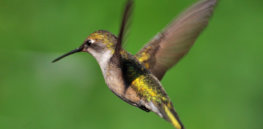
Study claiming neonic pesticides harm wild birds has no relevance to real-world conditions, plant geneticist argues
Capturing wild birds and force-feeding 3-10% of a lethal dose (of anything) is cruel. It’s not surprising birds would become ...

Judge dismisses false advertising lawsuit against Panera over products containing glyphosate residues
A putative class action alleging that Panera LLC’s labeling and marketing of its food products as “clean” or “100% clean” ...

Viewpoint: Anti-pesticide Environmental Working Group spreads chemophobia at taxpayer expense
.... It may sound crazy, but the federal government funds a network of activists that spew tons of needlessly alarming ...
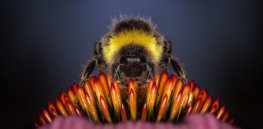
Global consensus finds neonicotinoids not driving honeybee health problems. Why is Europe determined to ban them?
Why is Europe allowing what has been called 'a bizarrely one-sided piece of politicized science' to determine agricultural policy? ...

Bayer says glyphosate-cancer legal settlement should cap future liability, as number of lawsuits surges past 40,000
Already reeling from an avalanche of lawsuits, German agriculture and healthcare giant Bayer AG said on [October 30] the number ...

Glyphosate-cancer lawsuit tally doubles to 42,700, as settlement talks attract more plaintiffs, Bayer says
Germany’s Bayer is now facing 42,700 U.S. plaintiffs blaming its glyphosate-based weedkillers for their cancer, more than twice the tally ...

Environmental Working Group slams joint EPA-PETA effort to end pesticide testing on animals
Leaders from the Humane Society and People for the Ethical Treatment of Animals flanked Environmental Protection Agency Administrator Andrew Wheeler ...

Rat-munching monkeys could protect palm oil, most widely consumed vegetable oil, from rodents
Found as an ingredient in many processed and packaged foods, palm oil is the most widely consumed vegetable oil. Now, ...

Australian farmer: Anti-glyphosate activists resemble ‘climate deniers’ in their assault on mainstream science
The global war on glyphosate has arrived in Australia. Our media has been closely following media coverage of the recent ...
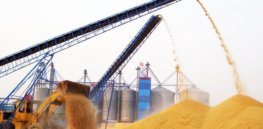
Thailand glyphosate ban threatens over $500 million worth of American crop exports, USDA warns
Thailand’s ban on three chemicals used in farming that its government deemed hazardous could threaten imports of American agricultural products ...
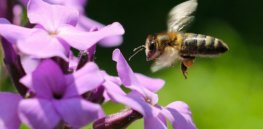
EU lawmakers: New bee safety rules won’t protect pollinators from neonic pesticides long term
The European Parliament on [October 23] blocked a diluted proposal by the 28-nation bloc’s executive arm on protecting bees from ...

Cotton industry prepares to commercialize FDA-approved GMO seeds to help ‘feed 500 million people’
The cotton industry hopes to launch a new market for a genetically modified cotton plant whose seeds are edible for ...

Viewpoint: ‘There are no long-term GMO safety studies,’ and 9 other biotech myths debunked
Can salt be a GMO? Is it true that no long-term studies have been done on GMOs? There are many ...
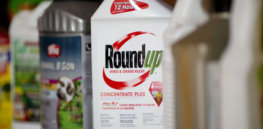
‘No evidence’ low-level glyphosate exposure causes kidney damage in children, study shows
The goal of this study was to assess biomarkers of exposure to glyphosate and assess potential associations with renal function ...

California grows 1/3 of US produce—95% of state’s fruits, vegetables below EPA pesticide limits, and none pose a health risk
Once again, tests showed that the vast majority of fresh produce collected by the California Department of Pesticide Regulation (DPR) ...

Thailand bans glyphosate weed killer as Roundup-cancer legal debate rages in US, Europe
Thailand’s government agreed [October 22] to ban the use of three farming chemicals widely regarded as dangerous to human health ...

EU bans neonic insecticide thiacloprid after 2020, citing threats to human reproductive health, bees
EU countries [Ocotber 22] voted not to extend the license of the insecticide thiacloprid when it expires at the end ...

Avoid produce because of pesticides? No ‘sound science’ behind that recommendation, new report says
A new report from the Council for Agricultural Science and Technology aims to reduce consumers’ worries by describing how information ...

Viewpoint: Documentary ‘Modified’ peddles falsehoods about GMOs, pesticides and ‘corporate control’ of food
"Modified” is an elaborate lie about genetic engineering ...
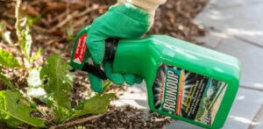
Canadian contractor alleges glyphosate caused his cancer in new suit against Bayer
[Cliff] Sissons, a 57-year-old man from Cranbrook, B.C., is trying to stay positive after a battle with non-Hodgkin’s lymphoma. He ...

Farm biodiversity helps control pests without chemicals, boosts crop yields, study shows
Ecologists and biologists compared data of about 1,500 agricultural fields around the world, including corn fields in the American plains, ...

California chlorpyrifos insecticide ban will harm alfalfa growers, UC Davis researchers warn
Integrated pest management of alfalfa in California will be “profoundly” impacted by the loss of the pesticide chlorpyrifos next year, ...

Synthesized ‘natural’ insecticide perseanol could cut use of harsher pesticides
First discovered back in the 1990s, perseanol exerts its insecticidal effects by paralyzing the muscular tissues of pests, in the ...
