Australian farmer: Anti-glyphosate activists resemble ‘climate deniers’ in their assault on mainstream science

roundup monsanto bayer merger

The global war on glyphosate has arrived in Australia.

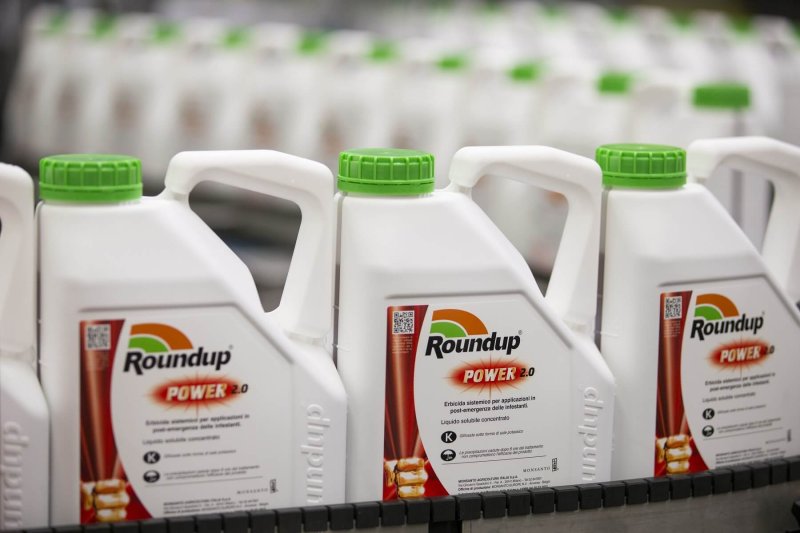
Our media has been closely following media coverage of the recent court cases in the United States, in which plaintiffs have received multi-million dollar awards in their lawsuits against the maker of the world’s most widely-used crop-protection product—and in defiance of what the science actually tells us about the safety of this agricultural tool.

Much is at stake …. If farmers like me were to lose access to this crop-protection product, two things would happen.

[Editor’s note: Andrew Weidemann is a farmer based in Rupanyup, Victoria, Australia]

First, we’d have a lot more weeds to deal with, which would rob resources from fewer crops—and the price of food for everyone, including people who struggle to feed their families, would rise.

Second, we’d most likely have to revert to the past’s full cultivation practices that are less effective in managing weeds …. In the end, we’d burn more fuel (creating new greenhouse gases) and till the land (leading to increased soil erosion).

The crop-protection deniers, in fact, look a lot like the climate deniers: They are an outspoken minority that rejects what the science really tells us about the world ….

Read full, original article: Much at Stake: the War on Glyphosate Threatens Australia Agriculture


{{ reviewsTotal }}{{ options.labels.singularReviewCountLabel }}
{{ reviewsTotal }}{{ options.labels.pluralReviewCountLabel }}
{{ options.labels.newReviewButton }}
{{ userData.canReview.message }}

Related Articles

Infographic: Global regulatory and health research agencies on whether glyphosate causes cancer

Infographic: Global regulatory and health research agencies on whether glyphosate causes cancer

Does glyphosate—the world's most heavily-used herbicide—pose serious harm to humans? Is it carcinogenic? Those issues are of both legal and ...

Most Popular

Screenshot 2025-07-30 at 10.48
Can gene editing eliminate Down syndrome? Scientists have done it in lab-grown cells
ChatGPT-Image-May-26-2026-07_51_21-AM-2
Viewpoint: There are more than 1,000 chemicals in a cup of coffee—including many substances that can cause cancer. Why isn’t it banned?
Screenshot-2026-05-28-at-1.36.28-PM
Viewpoint: Can mRNA research survive the Trump administration?
ChatGPT Image May 26, 2026, 08_42_17 AM (1)
Viewpoint: Greenpeace and poison: How environmental advocacy groups rely on compliant (and often ignorant) journalists to spread disinformation and spark litigation
Screenshot-2026-06-02-at-11.59.11-AM
Magnifica Humanitas: Pope’s encyclical broadside against AI naivete and overreach
Screenshot 2025-11-18 at 3.45
Viewpoint—GMOs and sustainability: Why buying organic foods is the least environmentally-sensitive food choice—without offering any health benefits
Screenshot-2026-06-01-at-1.35.32-PM
Viewpoint: Swine farmers are under attack for allegedly mistreating their animals. Here are the facts.
Screenshot-2026-05-27-at-10.51.25-AM
Viewpoint: ‘Monsanto’ blues—Planned Netflix movie promises yet another round of anti-glyphosate disinformation
Picture1
Sounds we can’t hear — the hidden planetary signals behind science, fear, and misinformation
ChatGPT-Image-Jun-2-2026-11_39_58-AM
Viewpoint: Who is RFK, Jr.’s newly-appointed CDC senior counselor, Sara Brenner — Vaccine skeptic and self-proclaimed “MAHA mom”
ChatGPT Image May 28, 2026, 08_16_38 PM
Viewpoint: Why the EPA mismeasures cancer risk of chemicals and what should be done to fix it
glp menu logo outlined

Get news on human & agricultural genetics and biotechnology delivered to your inbox.