


Chemical Controversies
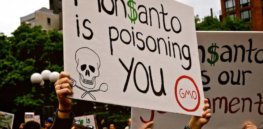
Viewpoint: ‘Roundup game plan’—How ‘environmental’ activists, IARC’s Chris Portier plotted attacks on Monsanto-Bayer to get glyphosate banned and cripple ag biotechnology
The failure to retract the monograph despite overwhelming rejections from the scientific community points to a Glyphosate Gameplan at IARC ...

EPA proposal to roll back animal testing and ‘cut unnecessary research’ gains backing from PETA
The Environmental Protection Agency (EPA) says it plans to reduce the use of pesticide testing on birds as part of ...

Pesticide residues on ‘vast majority of foods’ well below legal safety limits, new FDA data show
The vast majority of foods tested for pesticide residues were found to be well within federally prescribed limits, the Food ...
Viewpoint: Do neonicotinoid insecticides really boost crop yields? New study raises doubts
Ever year, farmers in the United States devote at least 80 million acres, a combined landmass three-quarters the size of ...

GMO eggplant developed by Bangladesh government cuts toxicity of pesticides used 41%, farmers increase revenues 27%, study finds
"Bt brinjal can improve the livelihoods of smallholder farmers in a developing country while protecting the environment.” ...

Pesticide-carrying bees help cut synthetic chemical use on farms
Bees are great at retrieving tiny cargo: their main job is to visit flowering plants in order to gather pollen ...

Viewpoint: IARC glyphosate-cancer controversy highlights need for tighter conflict of interest rules in science
In recent decades, there has been a growing interest in the scientific community (and beyond) about the possible conflicts of ...

Viewpoint: GMO, CRISPR-edited crops can cut pesticide use—if environmental activists do not block them
Anti-GMO activists should take a step back and look closely at some of the benefits that new genetically modified crops ...

EU Court of Justice dismisses activist lawsuit challenging Monsanto GMO soy approval
The European Court of Justice in Luxembourg ruled on [September 12] that the authorization of genetically modified soy produced by ...
Farmers, anti-glyphosate activists lobby EPA as agency mulls herbicide’s future in US
Pro- and anti-glyphosate companies and organizations lined up to praise — or bash — the active ingredient in the most ...

Paris bans synthetic pesticides as French anti-chemical movement ‘gains momentum’
Paris and four other French cities on [September 12] banned the use of synthetic pesticides within their boundaries, as an ...

Viewpoint: Organic industry anti-pesticide ‘propaganda’ threatens to cripple American agriculture
Misleading half-truths and outright misstatements offer a teaching moment about “advocacy research.” ...

EPA plan to end animal testing by 2035 pits environmental groups against animal rights activists
The U.S. Environmental Protection Agency (EPA) in Washington, D.C., announced .... that it will stop conducting or funding studies on ...

Pesticides don’t pose acute health risk to honeybees foraging on farmland, two-year study finds
Honey bees forage across a large area, continually scouting the local landscape for ephemeral food resources. Beekeepers often rely on ...

Viewpoint: Hidden conflicts of interest cripple IARC’s biased glyphosate-cancer evaluation
IARC has no clear understanding of what a conflict of interest is (or doesn’t care) ...

US soybean and corn farmers fear plant-based burgers and glyphosate lawsuits signal uncertain future
I’m flat busted. My Missouri corn and soybean farm is bankrupt, financially incompetent, a lousy credit risk, upside down--you pick ...

We need phosphorus to fertilize crops and feed the world—can we mine it sustainably?
If you wanted to really mess with the world's food production, a good place to start would be in Morocco ...
Congressional Democrats push EPA to defend expanded approval of controversial pesticide sulfoxaflor
Oregon Democrats are asking the Environmental Protection Agency (EPA) to defend its decision to expand the use of a pesticide ...

NY Times’ Eric Lipton defends anti-biotech, anti-vax Moms Across America, which harasses scientists
Journalists like Eric Lipton need to recognize where the real danger lies ...
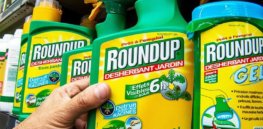
Viewpoint: France commissions new glyphosate-cancer study to justify more weed killer regulations
After reading this article, I relay the following comment from the collective Science-Technologies-Action (STA): “At the request of the [French] ...
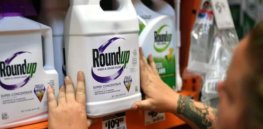
Montreal plans to ban glyphosate herbicide despite safety assurances from scientists and pesticide regulators
Montreal plans to ban the use of glyphosate — a commonly used herbicide marketed primarily under the trade name Roundup ...

Viewpoint: Organic or conventional produce? Doesn’t matter—just eat more fruits and vegetables
All fruits and vegetables are good for you, but when people start talking about how to eat healthy, the word ...
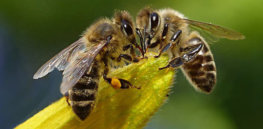
Activist groups sue EPA to block expanded approval of alleged ‘bee-killing’ insecticide sulfoxaflor
Beekeepers asked the Ninth Circuit on [September 6] to block the federal government’s approval of the unrestricted use of the ...
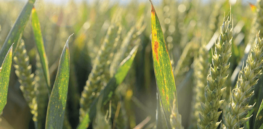
Virus-resistant wheat could aid UK farmers denied access to neonicotinoid insecticides
RAGT Seeds is to launch a winter wheat variety with a high level of resistance to barley yellow dwarf virus ...

Funnel web spider venom kills a human in an hour—can we use it to battle deadly honeybee pests?
A bite from a funnel web spider delivers neurotoxins that can kill an adult in hours, or a child in ...
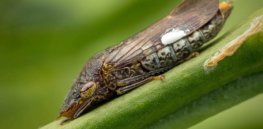
Podcast: The story of a grape disease that decimated vineyards for 200 years—and how science helped stop it
When Europeans began to colonize North America 400 plus years ago, they brought along the crops they knew how to ...

Plant geneticist Kevin Folta: Scientific American’s rewritten anti-GMO article a ‘lesser abomination’
The Scientific American article about "dying broccoli" and "toxic corn" drew wide criticism for its unreferenced and outright false indictment ...
