



Chemical Controversies

Podcast: Glyphosate, cancer and ‘corporate conspiracies’–“Regulatory capture” by anti-science activists in the Roundup controversy
Our useful threat-detection instinct has been warped into a serious handicap as we attempt to evaluate risks to our health ...

Denied access to neonicotinoid insecticides, UK farmers scramble to control deadly plant virus
Controlling the spread of plant viruses has just got harder with the demise of neonicotinoid seed treatments putting the emphasis ...

Just-discovered rice gene could fuel development of new GMO herbicide-resistant crops
Rice experts from the National Agriculture and Food Research Organization (NARO) in Japan and partners found a rice gene that ...
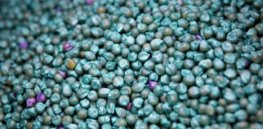
Bayer scraps launch of Monsanto worm pesticide over safety concerns as glyphosate-cancer legal battle rages
Bayer AG has scrapped plans for wide sales next year of a chemical that is intended to protect U.S. crops ...

Glyphosate on trial: Bayer would consider settling all cancer lawsuits on ‘reasonable terms’, as suits now number 18,400
Bayer on [July 30] said it would consider settling with U.S. plaintiffs suing over the German group’s Roundup herbicide only ...

Kenyan farmer ‘confused and disappointed’ by anti-science agenda at International Conference on Agroecology
The three-day first International Conference on Agroecology Transforming Agriculture and Food Systems in Africa, held recently at the Safari Park ...

The world faces ‘pollinator collapse’? How environmental advocates and the media get the science about the ‘bee-apocalypse’ wrong time and again
With neither the facts nor the science on their side, environmental advocacy groups are simply pounding the table ...

Roundworm pheromones could boost crop pest resistance, cut chemical use
Protecting crops from pests and pathogens without using toxic pesticides has been a longtime goal of farmers. Researchers at Boyce ...
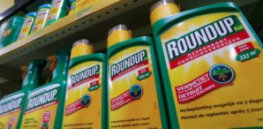
Bayer trial: Judge cuts ‘excessive, unconstitutional’ $2 billion Monsanto glyphosate-cancer damages to $86.7 million
A California judge on [July 25] reduced a $2 billion jury verdict, slashing the award for a couple who blamed ...

GMO Bt corn has ‘no impact’ on health of soil animals, two-year study finds
Scientists from Jilin Academy of Agricultural Sciences conducted a 2-year field trial and found that genetically engineered maize producing insecticidal ...

Kenyan scientists lobby for GMO Bt cotton approval to cut pesticide use
Mwea cotton farmers in Kirinyaga have expressed concern over the high cost of pesticides. They say they have to dig ...

Kenya field trial shows Bt cotton boosts yields four-fold
“The results from the biotech cotton have demonstrated the potential that it has in transforming the textile industry in the ...
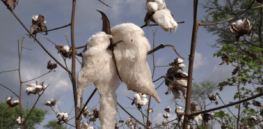
Why 3 countries planted GMO Bt cotton and got ‘wildly different results’
Three countries used the same tactic to fight the same pest on the same crop, but they had wildly different ...
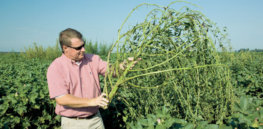
Could gene drive technology eradicate glyphosate-resistant weeds?
Waterhemp and Palmer amaranth, two aggressive weeds that threaten the food supply in North America, are increasingly hard to kill ...

Home-field advantage in Missouri trial could boost Bayer’s fortunes in glyphosate-cancer legal battle
Bayer .... facing an upcoming trial in St. Louis over allegations that its Roundup weed killer causes cancer, has recruited ...

EPA weighs in on sulfoxaflor: Genetic Literacy Project Q&A on controversial decision to lift restrictions on alleged ‘bee-killing’ pesticide
The FDA replied to our questions with a detailed defense of its decision to lift restrictions on sulfoxaflor ...

Bayer trial: Judge may cut $2 billion glyphosate-cancer damages to $250 million
A California judge will slash a $2 billion judgment against Bayer AG, which had been awarded to a couple who ...

Organic produce consumption lowers pregnant women’s exposure to some pesticides, small study suggests
Organic versus conventional foods: are they really better for people’s health? Are all organic foods created equal, and if not, ...
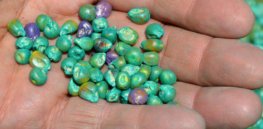
New test accurately estimates bee exposure to neonicotinoid insecticides, study claims
Bee populations are declining, and neonicotinoid pesticides continue to be investigated — and in some cases banned — because of ...

Farming without pesticides could double crop losses, boost global food prices, UK economist warns
The average UK family grocery bill could increase by more than [$977] over the course of a year without the ...

Podcast: Bt eggplant in Bangladesh—the GMO crop that boosted farmer profits 6-fold
Subsistence farmers in Bangladesh make a living by growing, harvesting and selling brinjal, or the fruit westerners know as eggplant ...

Vermont: First US state to mandate its own GMO crop regulations
On June 17, 2019, Vermont Governor Phil Scott signed a new law, which creates a committee to review new genetically-engineered ...

Bayer lawsuit: Judge cuts punitive damages in glyphosate-cancer case from $75 million to $20 million
A federal judge on [July 15] slashed a damages award Bayer AG owed a California man who blamed Roundup weed ...
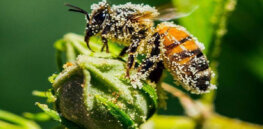
Environmental media, advocacy groups in uproar after EPA grants long-term approval for alleged ‘bee-killing’ pesticide sulfoxaflor. Here’s what the science says
This discussion needs to shift from politics to science and the law ...
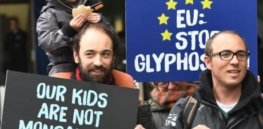
EU ‘probably won’t’ re-approve Bayer’s glyphosate weed killer after 2022, German agriculture minister says
German Agriculture Minister Julia Kloeckner said glyphosate herbicide probably won’t have enough support to gain re-authorization for use in the ...

If Bayer settles glyphosate-cancer lawsuits, final costs could range from $2.5-$20 billion
There’s a $2.5 billion question hanging over Bayer AG. Or perhaps a $20 billion question, depending on who you ask ...

Brazilian farmers sue Bayer to reclaim $151 million in royalties on GMO cotton
Brazilian cotton producers in the state of Mato Grosso on [July 11] sued Bayer AG, seeking to cancel the chemical ...
