Bayer scraps launch of Monsanto worm pesticide over safety concerns as glyphosate-cancer legal battle rages

a bcc a ee ee d e
Image: AgWeb

Bayer AG has scrapped plans for wide sales next year of a chemical that is intended to protect U.S. crops from yield-robbing worms, citing ongoing safety concerns.

The decision is the latest setback for Germany-based Bayer following its acquisition of Monsanto for $63 billion in 2018. Bayer is separately battling thousands of lawsuits claiming Monsanto’s glyphosate-based weed killer Roundup causes cancer, allegations the company denies.

Bayer decided not to offer the Monsanto product called NemaStrike Technology broadly after reviewing the experiences farmers and applicators had with it [in 2019], according to a statement.

“After a careful assessment of the applicator and grower experience in 2019, Bayer has made the decision that NemaStrike™ Technology will not be offered broadly in 2020 for corn, cotton or soybeans,” it said.

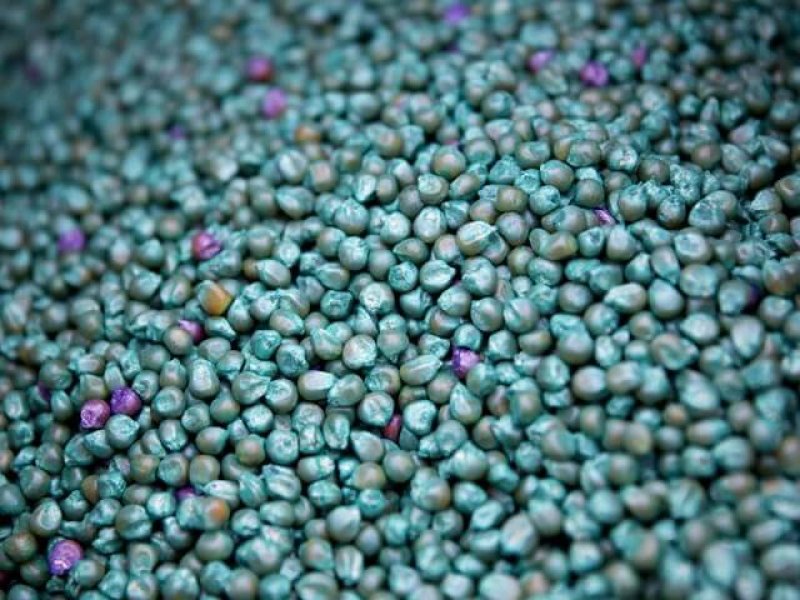
NemaStrike is applied to crop seeds to defend plants from attacks by worms called nematodes. Monsanto previously said the worms can reduce yields by more than 10%.

A limited number of people suffered skin irritation after handling NemaStrike or seeds treated with the product, according to Bayer.

Read full, original article: Bayer cancels plans to sell U.S. crop product in 2020 over safety concerns


{{ reviewsTotal }}{{ options.labels.singularReviewCountLabel }}
{{ reviewsTotal }}{{ options.labels.pluralReviewCountLabel }}
{{ options.labels.newReviewButton }}
{{ userData.canReview.message }}

Related Articles

Infographic: Global regulatory and health research agencies on whether glyphosate causes cancer

Infographic: Global regulatory and health research agencies on whether glyphosate causes cancer

Does glyphosate—the world's most heavily-used herbicide—pose serious harm to humans? Is it carcinogenic? Those issues are of both legal and ...

Most Popular

ChatGPT-Image-May-7-2026-12_16_37-PM-2
Viewpoint: Are cancer rates ‘skyrocketing’ as RFK, Jr. and MAHA claims? The evidence says mostly the opposite
Screenshot-2026-04-13-at-1.39.26-PM
Viewpoint: ‘Safer for children?’ Stonyfield yogurt under fire for deceptive organic marketing
Screenshot-2026-04-22-at-10.46.29-AM
Viewpoint: How to counter science disinformation? Science journalist offers 12 practical tips
png-pill-omega-Supp-fish-oil
Millions take omega-3 fish oil for brain health. New research suggests it may do the opposite.
Screenshot-2026-04-23-at-11.00.36-AM
Regulators' dilemma: Thalidomide, Metformin, and the cost of getting drug approvals wrong
Picture1-5
Science Disinformation Gap: The transatlantic battle over social media and censorship
ChatGPT Image May 14, 2026, 09_51_35 PM
Facebook swamped by hundreds of thousands of scam ads for illegal or dangerous medical products
ChatGPT Image May 12, 2026, 01_21_30 PM
How big health brands are funding online medical misinformation 
Screenshot-2026-05-08-at-3.40.33-PM
Seeds of power: China turns to genetic engineering to become global superpower
ChatGPT-Image-May-12-2026-08_39_41-PM
GLP podcast: Big Pharma, Big Ag, Big Food—health harming industries or life-saving innovators?
glp menu logo outlined

Get news on human & agricultural genetics and biotechnology delivered to your inbox.