


Agriculture & Food
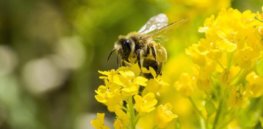
Farmers, environmental advocacy groups disagree on neonicotinoids’ impact on bees
The U.S. Public Interest Research Group is among the organizations lobbying the Environmental Protection Agency to ban the pesticides, known ...
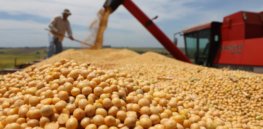
Argentine farmers reverse course, agree to pay royalties for GMO seeds
Argentine farmers have agreed to pay perpetual royalties when they replant genetically modified seeds made by companies like Monsanto Co, ...
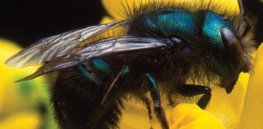
Backup pollinators: California almond, fruit producers hope blue orchard bees can reinforce honeybees
The need for a backup bee has become critical, particularly in almond orchards. Almonds are California’s second-largest crop, injecting an ...
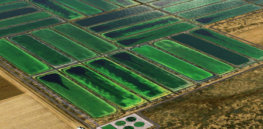
Future of food: Huge algae farms could feed humans, animals more sustainably
Scientists hoping to meet the Paris climate accord goal of limiting global temperature rise to less than two degrees Celsius ...
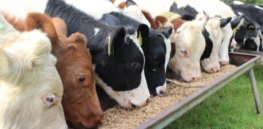
New Breeding Techniques (NBTs) needed to improve protein crops, says European farmers group
There is a need to maintain the EU’s main source of protein feed that are the co-product of biofuels, the ...
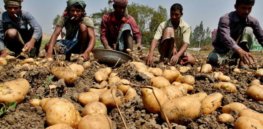
Bangladesh embraces GMO crops to boost yields, reduce pesticide use
Bangladesh is the world’s seventh-largest producer of potatoes. Most of the crop is grown by small-holder farmers. Akhter Hossain, a ...
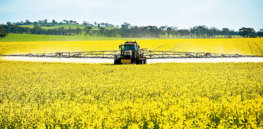
Non-GMO herbicide-tolerant canola to be grown in Canada this year
Supporting modern agriculture while also selling into the market for non-genetically modified food seems like a contradiction. But an American ...

Genetically engineered poplar trees, switchgrass could lead to more efficient biofuels
A research team led by the University of Georgia has discovered that manipulation of the same gene in poplar trees ...
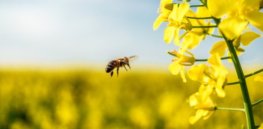
Viewpoint: Total ban on ‘bee-harming’ neonicotinoid insecticides is not the best path forward
Calls to ban ‘bee-harming pesticides’ heightened last year following the release of new field studies on the effects of neonicotinoids, ...
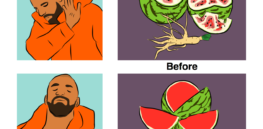
Artist illustrates how humans ‘genetically modified’ food since the dawn of agriculture
Although genetically modified foods appeared recently, human beings have been altering unintentional plant genomes for millennia. Agriculture appeared around 10,000 ...

Viewpoint: Anti-science activists beware—Uganda’s president knows GMO crops are good for farmers
We came to learn about a month ago that [Ugandan] President [Yoweri] Museveni had referred the Biotechnology and Bio-safety Bill ...
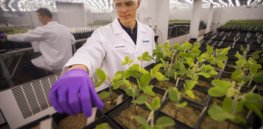
Biotech startup Indigo Ag aims to upend agriculture with microbiology
[David Perry, CEO of Indigo Ag, an agricultural-technology startup headquartered in Boston] sees an opportunity for Indigo Ag to lead ...

Africa could become a world agricultural leader in CRISPR and other new breeding techniques (NBTs)
It is 8:30 East African Standard Time. I disembark from a van filled with science journalists from Kampala, Uganda and ...
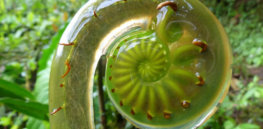
First land plants may have appeared 100 million years earlier than previously thought
A seminal event in the Earth's history - when plants appeared on land - may have happened 100 million years ...

CRISPR revolution could level the playing field for crop biotech companies
For agriculture, [CRISPR] technology is a new way to instill crops and livestock with desirable traits — or to remove ...
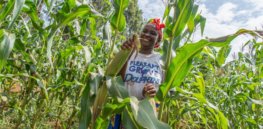
Can insect-resistant GMO Bt corn help Kenya fight crop pests and climate change?
Elizabeth Nduku, a smallholder maize farmer in [Kenya], is dejected. Her crop is worse off than the previous seasons. This ...
Viewpoint: Science-based biotech regulations could unlock a new agricultural revolution
The discovery of DNA and new developments in information and nanotechnology provide the foundation for a new agricultural revolution that ...

‘Natural’ food label heads to court
In recent years, one bright spot in an otherwise lackluster market for packaged foods, beverages and consumer products has been ...

Farmers in Quebec, Canada will now have to get permission to use neonicotinoid insecticides on crops
Quebec is introducing new restrictions on pesticides considered harmful to honeybees. Under the changes, farmers will have to get permission from a certified ...
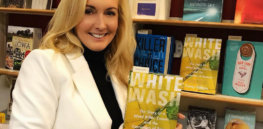
Review of Whitewash (or Hogwash?): Carey Gillam’s glyphosate book betrays science, undermines our understanding of cancer
Last fall a new book hit the shelves, timed to coincide with public hearings on the European Union’s re-authorization of ...

Anti-GMO group Moms Across America attacks food brands over trace parts per billion of glyphosate
[G]lyphosate [is] in the spotlight again as anti-GMO activist group Moms Across America released test results suggesting trace levels of ...

Video: Are genetically modified foods ‘unnatural’?
It's such a simple question. Naturally, the answer is far more complex than it ought to be. We've always messed ...

Viewpoint: Are plants conscious? New York Times bungles story about how anesthetics can ‘sedate’ a plant
[T]he New York Times [recently] ran a story on a scientific paper about how anesthetics stopped motion in plants with a provocative headline for readers and ...

African scientist: Europe’s ‘fear-based politics’ on GMOs hurts developing world’s ability to combat hunger
The need to feed growing populations in developing countries, especially countries in Africa, must be met by increasing the yields ...

Australia, New Zealand weigh whether foods created with New Breeding Techniques (NBTs) to be regulated as GMOs
New Zealand's food standards watchdog is reviewing how rules might apply to a new generation of products that can be ...
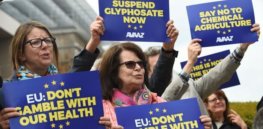
Viewpoint: How European activists lobby for a glyphosate ban despite findings of its safety
In January, the European Parliament announced that it will set up a Special Committee on the Union’s authorization procedure for ...

Sustainable ‘superfish’: AquaBounty’s genetically engineered salmon poised to counter overfishing
At current rates, according to a 2006 article in the journal Science, the world will run out of all wild-caught fish ...
