



Daily Food & Ag Digest

A plant pandemic is destroying wheat crops across the globe. Here’s how we can use genetics and fungicides to stop it
Wheat, the most important food crop, is threatened by a blast disease pandemic. Now a new study, conducted by an ...
‘Super foods’ are more hype than science. Gene editing technology could make them reality
‘Superfoods’ are often touted as being exceptionally beneficial for our health. But currently, the concept is mostly just marketing hype ...
Indian farmers face threats from pest infestations, erratic weather, droughts, floods, salinity, and soil degradation. Gene-edited crops could help
Indian farmers have contributed significantly to the global agricultural industry with a wide range of crops. Agriculture employs nearly 60% ...
Breeding ‘green’ cows? CRISPR poised to reduce climate-polluting methane gas emissions
Scientists and companies are coming up with plenty of ways to curb cow methane, from simply changing their food source ...

Science-based reasons why Environmental Working Group’s Dirty Dozen list of ‘pesticide-laden’ fruits and vegetables is dangerously misleading
Fruits and vegetables are an important part of a healthy diet providing vitamins, minerals, antioxidants, dietary fiber and other benefits ...

Scientists say East Africa’s farmers need improved seeds to counter pests and effects of climate change
About 12 kilometers from Uganda’s Kampala City, along the Bombo-Gulu Highway, fleshy and dark-green banana plants thrive on a farm ...

Video: World’s first climate-resistant strawberries developed in steamy Singapore
The strawberries growing at Singrow’s indoor farm at the Science Park are derived from a Japanese varietal, but have been ...
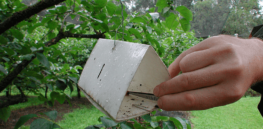
Moth sex pheromones: Tweaking plants with gene editing can replace some pesticides
By using precision gene engineering techniques, researchers at the Earlham Institute in Norwich have been able to turn tobacco plants ...

‘Gene-edited crop regulations should be based on the product not the process’: UN’s FAO assesses impact of CRISPR and new breeding techniques on food
The Food and Agriculture Organization of the United Nations (FAO) has released a report on food safety considerations for regulating foods derived ...
Early plant domestication: How humans co-evolved with ancient crops
The story of how ancient wolves came to claim a place near the campfire as humanity's best friend is a ...
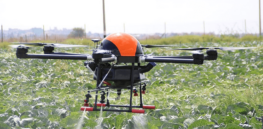
Here’s how drones can optimize harvests and save on labor
Drones are being used for an ever widening range of agricultural applications enabled by new technology and diminishing regulatory constraints ...

United States promises Africa 7 billion dollars to tackle climate crisis and food insecurity
United States vice president Kamala Harris’s nine-day visit to Africa saw her discuss with leaders measures to tackle the continent’s ...
Converting agricultural waste into protein and other sustainable innovations
According to reports, approximately one-third of food is wasted when it goes from farm to fork, which could otherwise feed more than ...

Mexico’s proposed GMO corn ban could damage the US economy
Mexico issued a proposed ban on GMO corn in 2022, putting the U.S. in a position to lose out on ...

USA Today fact checks disinformation claiming GMOs permanently change genes
A March 29 Instagram post shows a screenshot of a news release about testimony heard by the Missouri House of ...
Biodiversity collapse? How ancient fossils can help signal future threats
Over the past 500 million years, five large-scale extinctions have taken place, with current predictions indicating that humans are rapidly ...
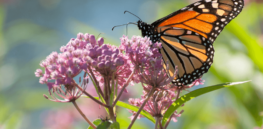
Adult Monarch butterflies not threatened by neonicotinoid insecticides, independent university study finds
Numerous studies have documented the negative effects of neonicotinoids on bees; it remains crucial to examine how neonicotinoids affect other ...

Could ice cream be good for your health?
Back in 2018, a Harvard doctoral student named Andres Ardisson Korat was presenting his research on the relationship between dairy ...

Archaeobiology provides fresh insights about the origins of food and farming
The precise drivers of agriculture remain a matter of fierce debate. Were people pushed into relying on plants for food ...

A French startup has engineered houseplants that scrub toxins from the air. Could it make a difference?
Nestled in a jelly-like growing medium, it looks like a canapé—or, possibly, the future ...
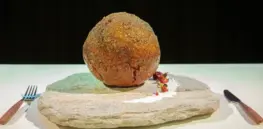
Forbidden meatball: Genetically-engineered wooly mammoth meat illustrates future of food
Australian cultured meat company Vow unveiled a meatball made of wooly mammoth meat and grown entirely in a lab. But ...

Better than obesity drugs? Here’s how this flowering shrub can naturally block fat absorption
Antioxidants in the roselle plant have anti-obesity properties that could help in food alternatives to current weight management medications, according ...

Viewpoint — Brown, white, jasmine, or basmati: Which rice is the most nutritious?
The question of the “healthiest rice” usually pits two types of rice against each other – white and brown. And ...

Nations agree on a compromise for biodiversity, what happens next is up to all of us
Around 200 nations attended the 15th Conference of Parties to the UN Convention on Biological Diversity in Montreal at the ...

Video: From scorpion-venom cabbage to human breast milk from cows, here are 9 of the most unique genetically-engineered products likely to come to market
In this video are some of the strangest genetically modified products. We know that these products aren’t handcrafted by Mother ...

Viewpoint: ‘Italy’s scientifically-unfounded fight against cultured meat is futile’ — Why the country can’t afford to block sustainable livestock alternatives
Italy is moving to become the first country in the world to ban its companies from producing lab-cultivated meat, threatening ...
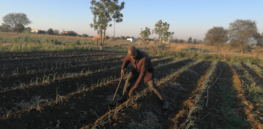
Zimbabwe smallholder farmers struggle to match climate science with practice
Justin Mlalazi’s crop is only knee-high, and this being the month of March, other smallholder farmers across the country are ...
