Better than obesity drugs? Here’s how this flowering shrub can naturally block fat absorption

Hibiscus, sometimes called sorrel, could help fight obesity. Credit: Leslie Seaton via CC-BY-2.0
Antioxidants in the roselle plant have anti-obesity properties that could help in food alternatives to current weight management medications, according to new research.

The RMIT study, led by PhD candidate Manisha Singh, investigated how antioxidant compounds (phenolic extracts) and organic acid (hydroxycitric acid) found in the Hibiscus Sabdariffa could inhibit the formation of fat cells.

When the body has an excess of fat intake, fat can be deposited in the cell, which turns them into fat cells called adipocytes.

Adipocytes are vital for regulating the body’s energy and sugar levels. However, when energy intake exceeds expenditure, it can cause the fat cells to grow in both size and number, contributing to obesity.
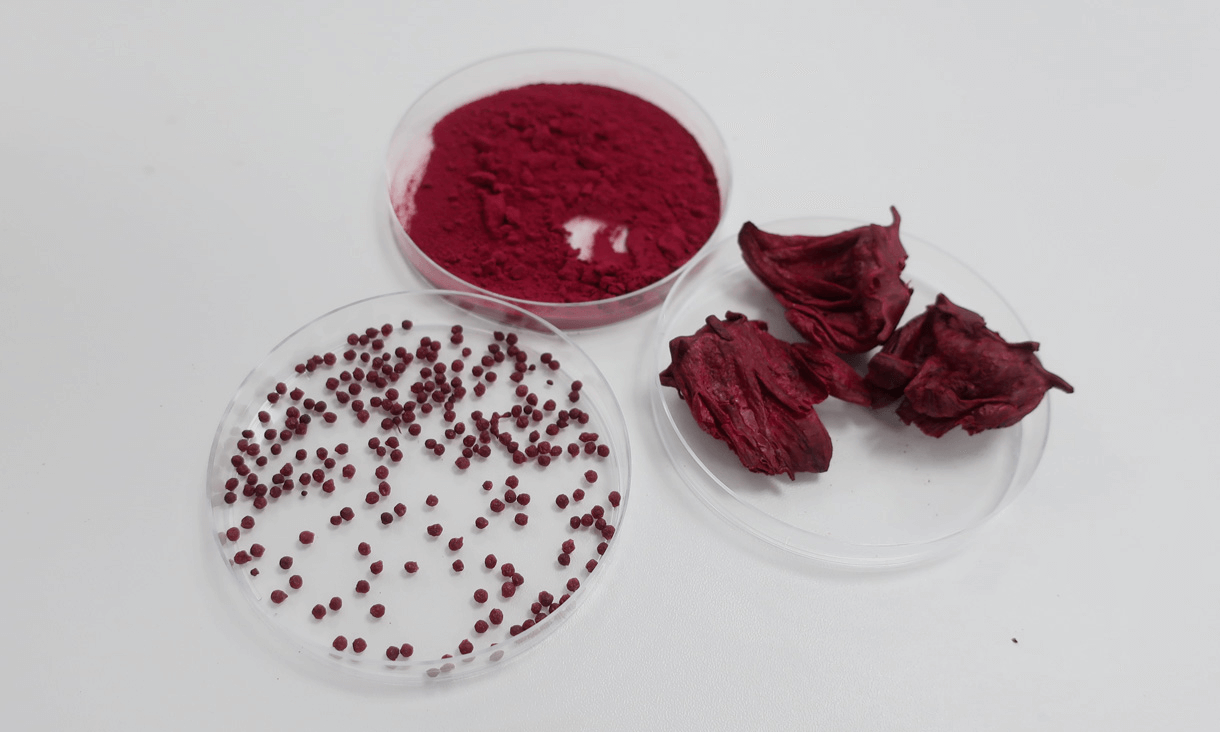
Freeze-dried roselle flowers were used to extract the antioxidant compounds and organic acids. Credit: RMIT University

Human stem cells were separately treated with phenolic extracts and hydroxycitric acid before they were turned into fat cells.

While cells treated with hydroxycitric acid showed no change in the fat content of the adipocytes, cells treated with phenolic extracts had 95% less fat as compared to control cells.

Singh’s research is the first of its kind to use human fat cells to test the impacts of phenolic extracts and hydroxycitric acid from roselle.

Follow the latest news and policy debates on sustainable agriculture, biomedicine, and other ‘disruptive’ innovations. Subscribe to our newsletter.

Singh’s PhD supervisor Professor Benu Adhikari, from RMIT’s Food Research and Innovation Centre, said the results of the study could impact how we approach obesity management.

Current methods of obesity management focus on lifestyle changes and medication.

While medication is effective, they can also have negative side effects such as high blood pressure or impact the kidney and liver.

“The phenolic extracts from the roselle could help create a health food product that is effective in interfering with the formation of fat cells, but also bypass the bad side effects of some medications,” Adhikari said.

A comparison of fat droplets in an adipocyte cell. Credit: Manisha Singh

A natural enzyme blocker

Senior Lecturer Dr Thilini Thrimawithana, from the School of Health and Biomedical Sciences, said there is a growing interest in researching how antioxidant-rich compounds, called polyphenols, could one day help manage diseases like obesity to avoid side effects of medications such as Orlistat and Liraglutide.

Polyphenols are found in food sources such as vegetables and fruits. When consumed, antioxidants remove the oxidation that forms in our bodies, which can help slow down aging and prevent diseases.
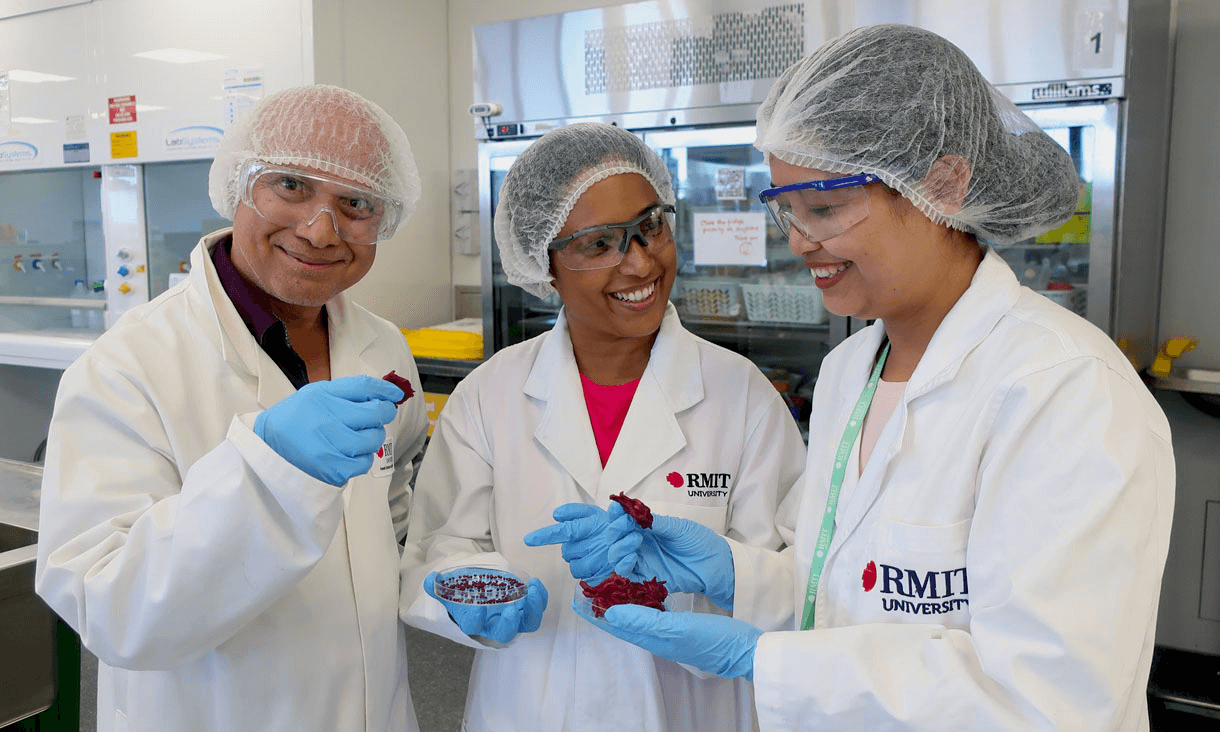
benu thilini manisha px
Professor Benu Adhikari, Dr Thilini Thrimawithana and Manisha Singh. Credit: RMIT University

Singh’s research also found polyphenols in the roselle had similar digestive enzyme-inhibiting properties as some obesity management medications.

The polyphenols inhibit the digestive enzyme called lipase. This enzyme helps break down fats into small fractions so they are absorbed by the body through the intestine. The excess fats are turned into fat cells.

By inhibiting the lipase enzyme, the fat cannot be absorbed so it is passed through the colon as waste.

“Because these polyphenolic compounds are plant-derived and can be consumed, there should be fewer or no side effects,” Singh said.

\
The roselle is a disease-resistant plant that does not require a lot of space or water to grow. Credit: Adobe Stock.

Next steps

Adhikari, a leading food researcher whose interest began as a farmer back in Nepal, predicts the roselle will play a bigger role in Australia’s health food industry.

“Australia has the perfect climate for farming the roselle. The plant is hardy, disease resistant and it doesn’t need a lot of space or water to grow,” he said.
roselle beads closer px
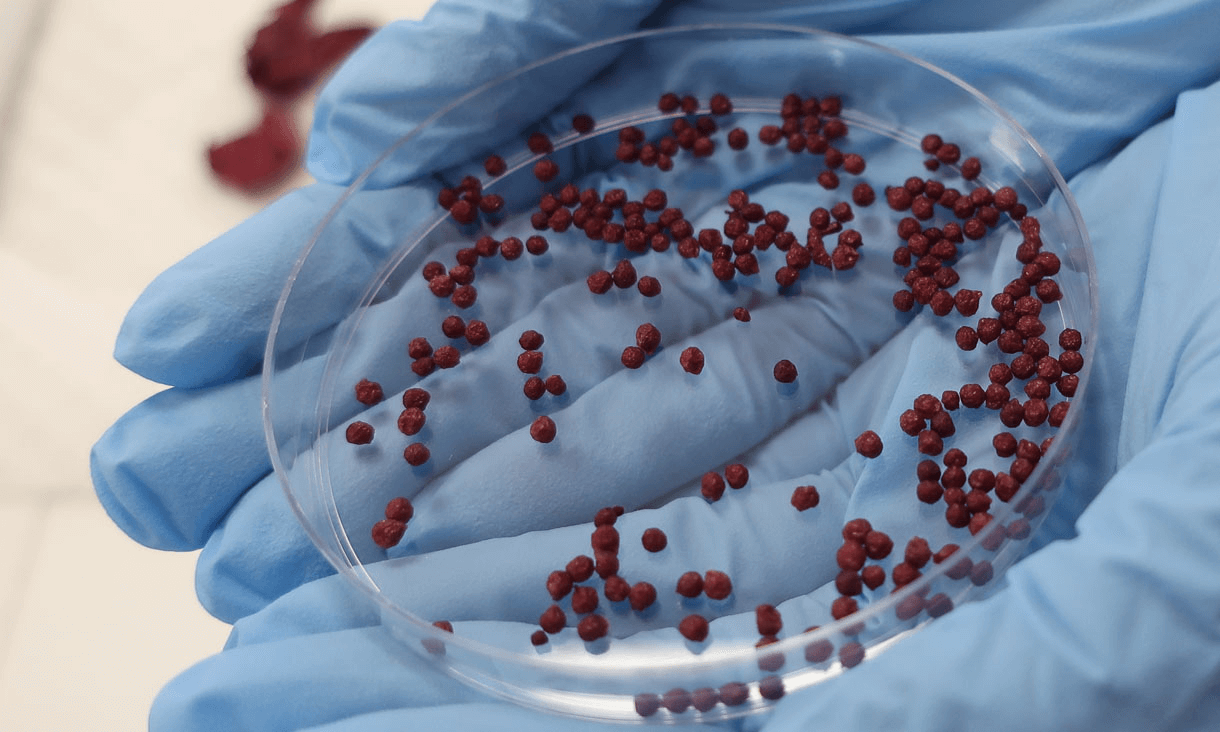
Encapsulating the phenolic extracts of the roselle will help extend its shelf life and control how it gets absorbed in our bodies. Credit: RMIT. University

The team plans to encapsulate the phenolic extracts for use in health food products. They say the extracts could be turned into little beads and used to make a refreshing drink.

“Phenolic extracts oxidise easily, so not only does encapsulation extend its shelf life, but it lets us control how they are released and absorbed by the body,” Adhikari said.

“If we don’t encapsulate the extract, it could break down in the stomach before we can reap its benefits.”


{{ reviewsTotal }}{{ options.labels.singularReviewCountLabel }}
{{ reviewsTotal }}{{ options.labels.pluralReviewCountLabel }}
{{ options.labels.newReviewButton }}
{{ userData.canReview.message }}

Related Articles

Infographic: Global regulatory and health research agencies on whether glyphosate causes cancer

Infographic: Global regulatory and health research agencies on whether glyphosate causes cancer

Does glyphosate—the world's most heavily-used herbicide—pose serious harm to humans? Is it carcinogenic? Those issues are of both legal and ...

Most Popular

Screenshot-2026-06-17-at-12.31.01-PM
Viewpoint: The dangerous influence of ‘woke’ post-modernism in science
ChatGPT-Image-Mar-10-2026-01_39_01-PM
Viewpoint—“Miracle molecule” debunked: Why acemannan supplements don’t work
covid-vaccine
Blocked by Kennedy’s CDC, validated by peer-reviewed scientists: Suppressed COVID vaccine study published in JAMA finds 50% risk cut
ChatGPT-Image-Jun-25-2026-12_23_17-PM
No, Bill Gates did not secretly engineer ticks to promote veganism
Sampling_a_strawberry_32206461974
Viewpoint: Which is worse: Trace PFAS ‘forever chemicals’ on strawberries or the fear that scares people away from eating them?
NYPICHPDPICT000011561063
Viewpoint: From magnetizing your head to taking useless supplements, the wellness craze has morphed into an obsession of the affluent
ChatGPT-Image-Jun-26-2026-01_21_33-PM
How the dubious, Trump-backed, addictive drug kratom could enrich cabinet secretary Markwayne Mullin
Screenshot-2026-06-25-at-4.08.41-PM
Even in blue states, hospitals have continued to drop gender-affirming care for youths
Podolay_1_transplantacia_srdca_1968
From printers to pigs: The precarious future of organ transplants
Screenshot-2026-06-25-at-11.18.03-AM
Viewpoint: Appreciating a simpler past without swallowing the misleading ‘nature is healthier and safer’ myth
Screenshot-2026-06-26-at-10.14.50-AM
Viewpoint: The facts behind the grifter-promoting wellness and anti-aging peptide craze: Don’t waste your money
ChatGPT-Image-Jun-26-2026-11_34_33-AM
Viewpoint: RFK, Jr.’s vaccine subterfuge campaign now flies below the media radar
ChatGPT-Image-Jun-19-2026-04_11_20-PM
Daubert for Dummies—Scientific Reliability in U.S. Courts: Daubert, Rule 702, and Made-for-Litigation Evidence
Screenshot-2026-06-25-at-1.48.40-PM
Glyphosate affirmed as safe: Supreme Court rejects lawsuit claiming Roundup herbicide causes cancer, upholding EPA determination
glp menu logo outlined

Get news on human & agricultural genetics and biotechnology delivered to your inbox.