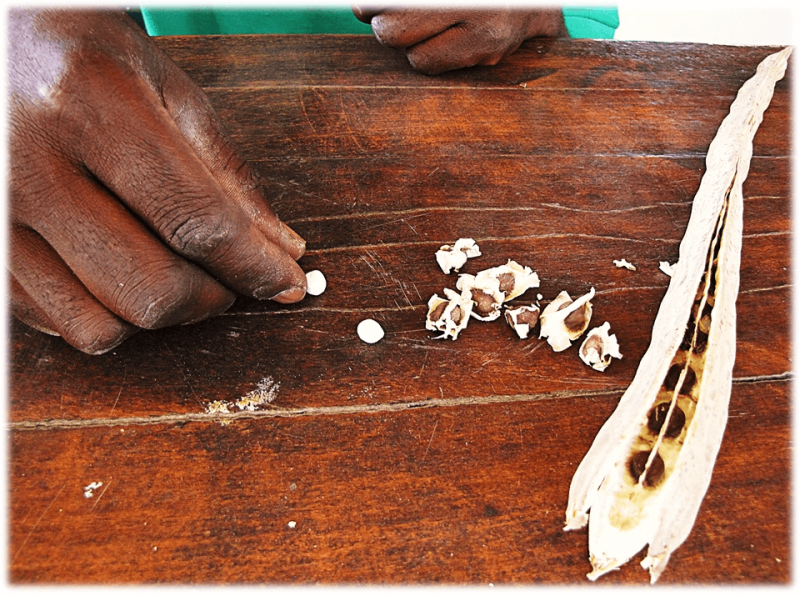
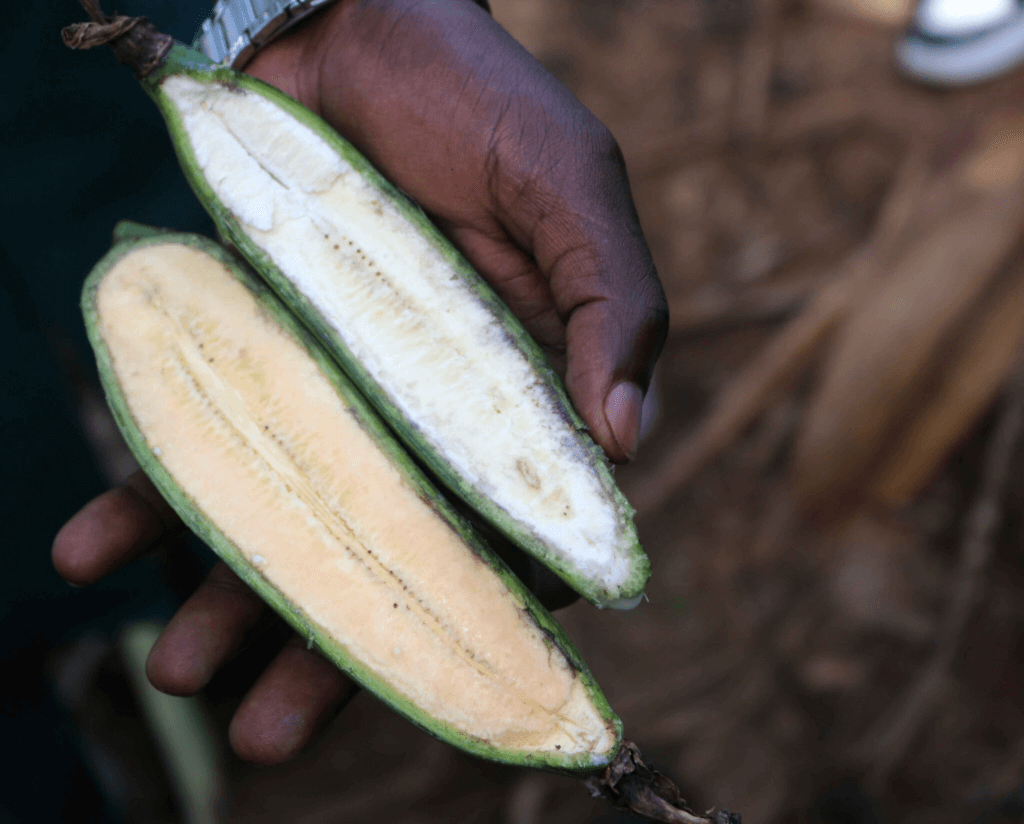
“These plants are bio-fortified, are rich in Vitamin A, and are high-yielding,” said Dr Priver Namanya Bwesigye, the head of Uganda’s banana research program at the National Agricultural Research Laboratories at Kawanda.
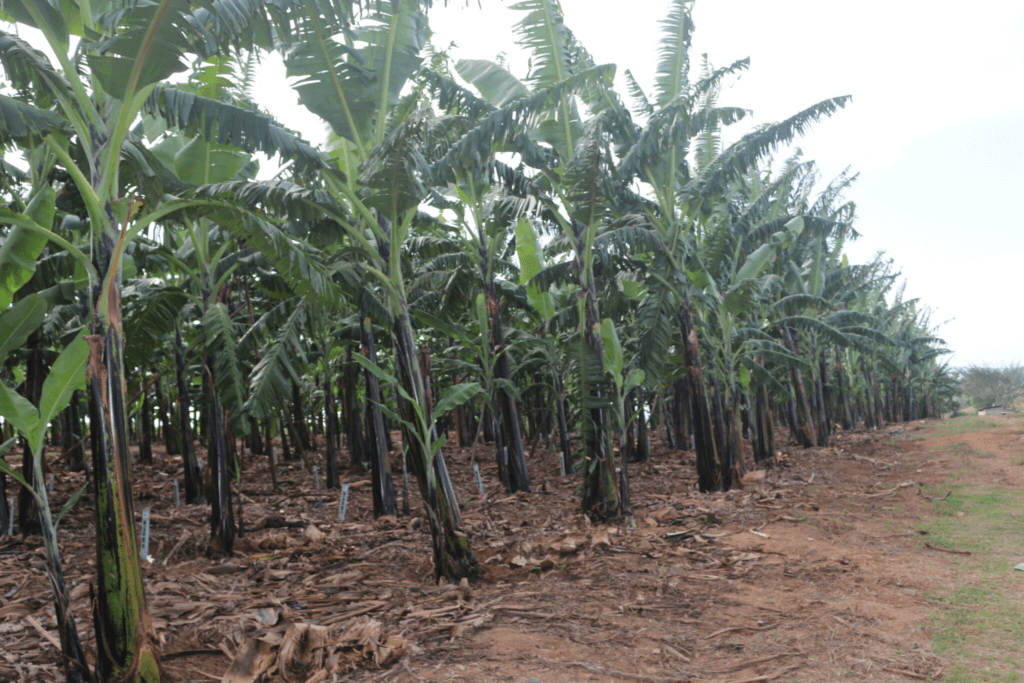
They are the type of bananas farmers in drought-hit East Africa should plant, but they cannot access them — just like they can’t access other gene-edited crops in Uganda.
This is partly because of the misinformation that anti-genetically modified organisms (GMOs) activists have been spreading in Uganda and generally in East Africa.
The anti-GMO activists have claimed that gene-edited seeds will lead to the extinction of indigenous crops and put farmers at the mercy of global seed companies.
In March this year, they also claimed that East African countries do not need gene-edited seeds to fight hunger and malnutrition if they prioritize traditional farming practices.
They said agroecology is the way forward but scientists say the claims are baseless.
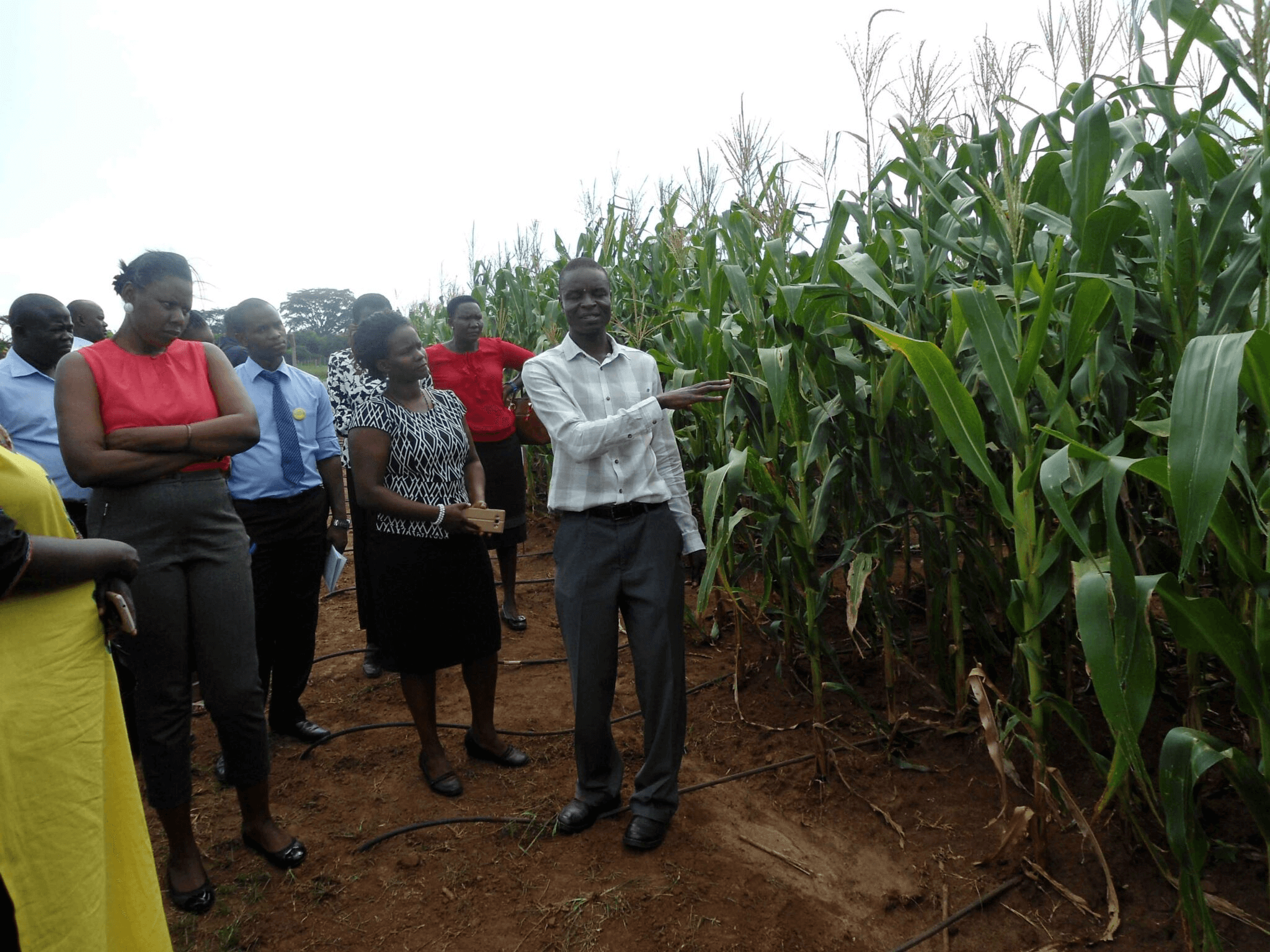
“You can’t compare agroecology with gene-editing and biotechnology,” said Arthur Tugume, associate professor of Plant Pathology and Virology at Makerere University.
While agroecology is an age-old approach that seeks to maximize agriculture and protect the environment, it is limited, said the scientist.
These new technologies enable farmers to plant insect-resistant, drought-tolerant, and higher-yielding crops.
“We just have to look at where we are and where we are going to appreciate these new technologies,” said Tugume.
“For instance, we have had a drought in the region for two years now, which is slowing yields, exacerbating hunger, and increasing the spread of pests.”
He added: “Our population is increasing. Estimates show that the population of Uganda will grow from the current 46 million to about 90 in the next 20 to 30 years. We cannot continue growing our food the way we have done and adequately feed this growing population and conserve our environment at the same time.”
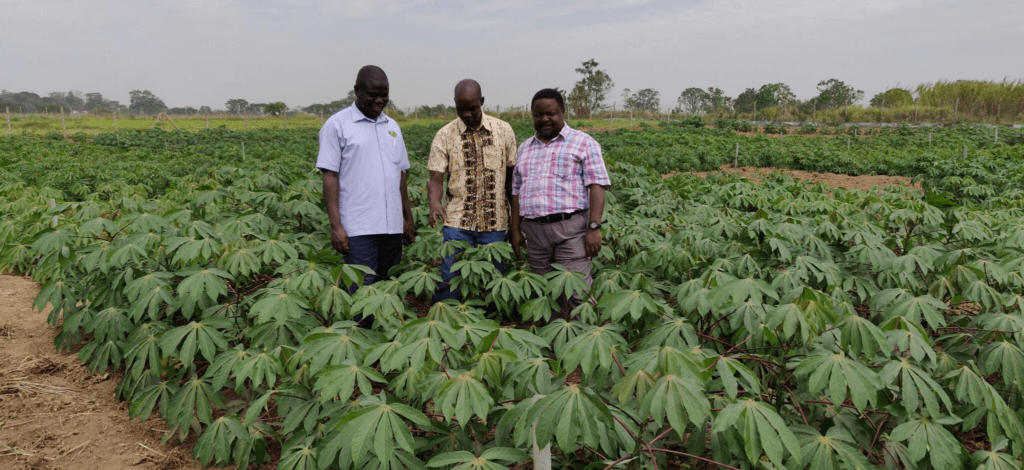
Andrew Kiggundu, a plant biotechnologist at the National Agricultural Research Organisation in Uganda, shares the same sentiments.
“Agriculture and human settlement are the biggest threats to environmental conservation,” said Kiggundu. “We just need to look around us. We have cut down forests to prepare farms for agriculture.”
Reports show that Uganda loses more than 200,000 hectares of forest cover per year, largely because of human activities including farming.
Kenya loses about 50,000 hectares of forest cover every year to agricultural activities but still, one in five people in Africa sleep on empty stomachs and 12.8 million children are acutely malnourished.

But gene-edited and higher-yielding varieties of crops enable farmers to harvest more without encroaching on new arable land, said Arthur Makara, national coordinator of the Biotechnology and Biosafety Consortium in Uganda.
Since they are pest-resistant, farmers also spend less on pesticides.
“We need to start looking at biotechnology, genetic modification, and other new technologies as complementary tools instead of pitting these innovations against agroecology,” said Makara.
“We should tell our farmers that these new technologies can help them better conserve biodiversity.”
Like most regions in Africa, East Africa has not adopted gene-edited crops because of misinformation and indecision. Only Kenya has made progress and is planting Bt cotton.
Kiggundu said gene-edited crops will not leave farmers at the mercy of the global seed companies because the improved seeds are being developed by African scientists. It’s also not true that improved seeds cannot germinate and will make soils infertile.
“Farmers can replant these improved varieties, only that they may not yield as much because of dilution which happens with every other seed,” he said.
“Again, improved seeds are just like every other seed which extracts nourishment from the soil and after some time can cause soils to become less fertile.”
He added that new technologies can help to restore some indigenous seeds farmers have abandoned.
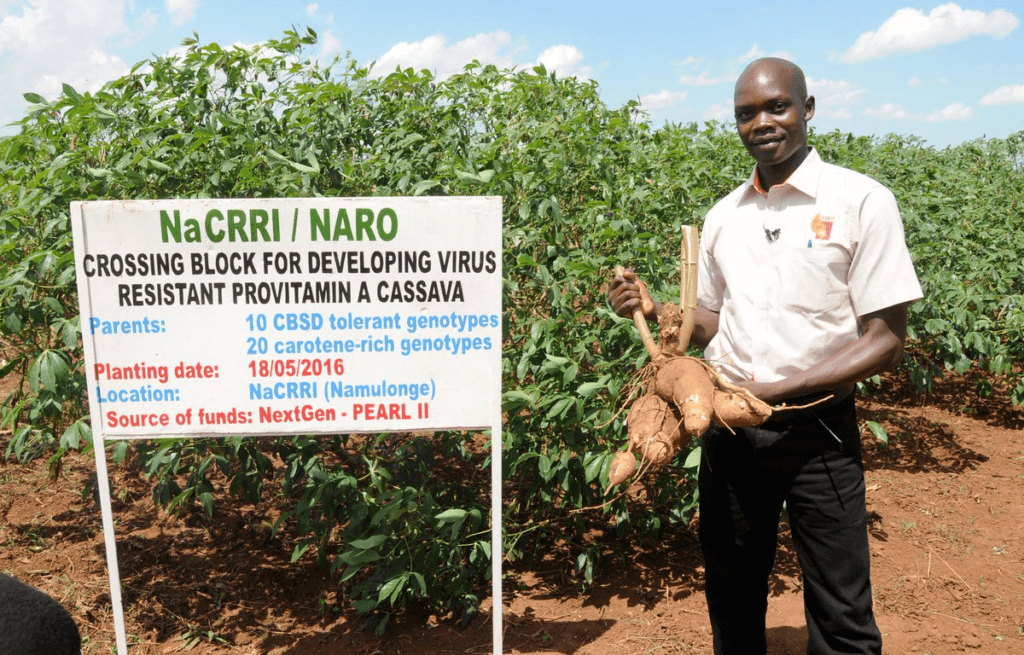
“With gene editing, we can recover all the traditional seeds that farmers have abandoned. We can boost their yields so farmers can restart planting them. We can restore all these crops and animals we have abandoned.
“We just have to be open-minded and think of how we can harness these new technologies to increase food production without increasing our carbon footprint or cutting down more forests,” he said.
Tugume said it was natural for some people to be scared and talk ill of these technologies, but they will adopt them after they realize their potential. “People were scared of cars and telephones but see what happened. It is only a matter of time before we adopt these improved seeds.”
Kiggundu said farmers are already asking for these technologies because they know that they can harvest more produce.
“We just need legislation to govern the use of these tools and we are good to go,” he said.
John Agaba is a freelance journalist based in Kampala, Uganda. He covers agriculture, environment, health and higher education. Find John on Twitter @jonnyagaba
A version of this article was originally posted at the Alliance for Science and is reposted here with permission. Any reposting should credit both the original article and the GLP. Find the Alliance for Science on Twitter @ScienceAlly