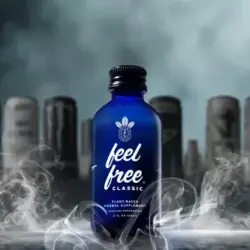
Earlier this month, the Drug Enforcement Administration announced a plan to ban a class of kratom products known as 7-OH, made by chemically treating kratom leaf to boost its opioid potency. The DEA’s action may help save lives. But it will do little to slow the broader public health problem, because ordinary kratom leaf — sold as powders, capsules and extracts — will remain widely available and legal in most states. Yet it shouldn’t.
The DEA’s limited action reflects its acceptance of a narrative pushed by the kratom industry: that public health problems involving kratom are limited to 7-OH products, while the ordinary version is simply a natural, nonaddictive wellness product that relieves pain and boosts mood.
But the chronology tells a different story. Poisonings and hospitalizations involving kratom have risen 1,200 percent over the past decade — a rise that predates 7-OH products, which entered the market only about two years ago.
…
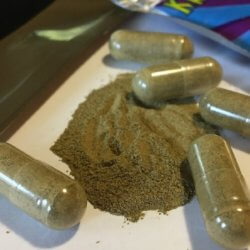



I have treated patients who were hospitalized for an unrelated condition, tested negative for opioids on admission and then, within days, were in severe opioid withdrawal — sweating, vomiting, in agonizing pain. Medical staff are stunned every time; kratom doesn’t register on standard drug screens.