
She visited Ghana, Tanzania, and Zambia.
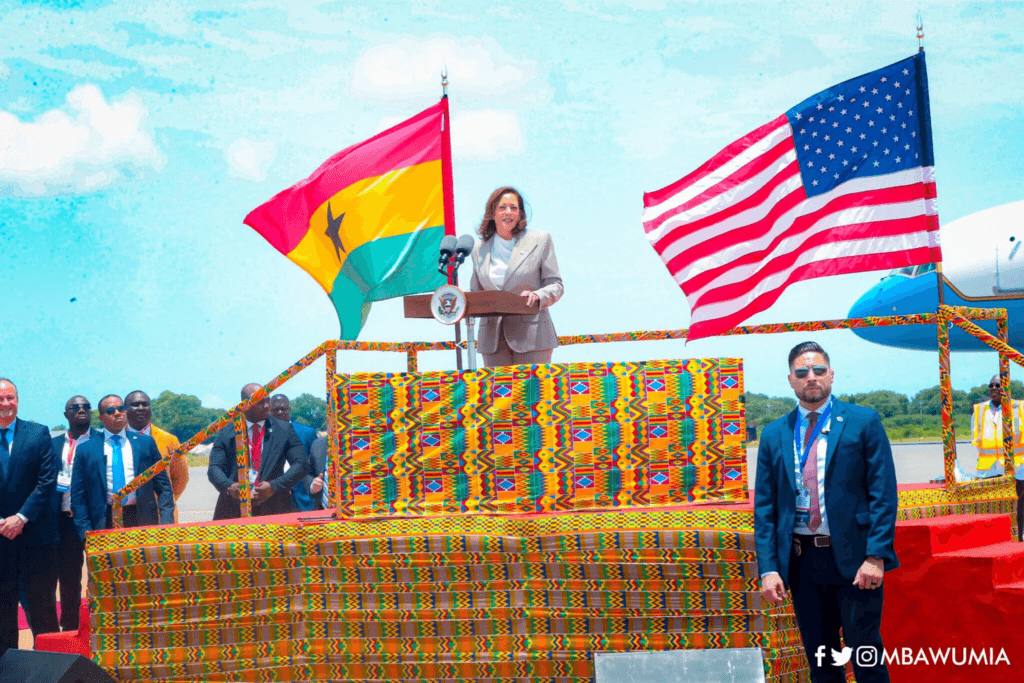
In Ghana, she said that her visit sought to facilitate investments in several sectors including “entrepreneurship, digital inclusion, and supporting the work that must be done to increase food security, including adaptation to the effects of the climate crisis.”
In Lusaka, Zambia, she said that private sector entities and philanthropic organizations in the US had agreed to commit seven billion dollars to promote and enhance climate resilience, adaptation, and mitigation across Africa.
The commitments from 27 different institutions are in the areas of climate-smart agriculture, sustainable farming, clean energy, and clean transportation.
A statement from the White House said one of the companies, Corteva, will invest 250,000 dollars in climate-smart post-harvest solutions targeting 230,000 smallholder farmers in Ethiopia.
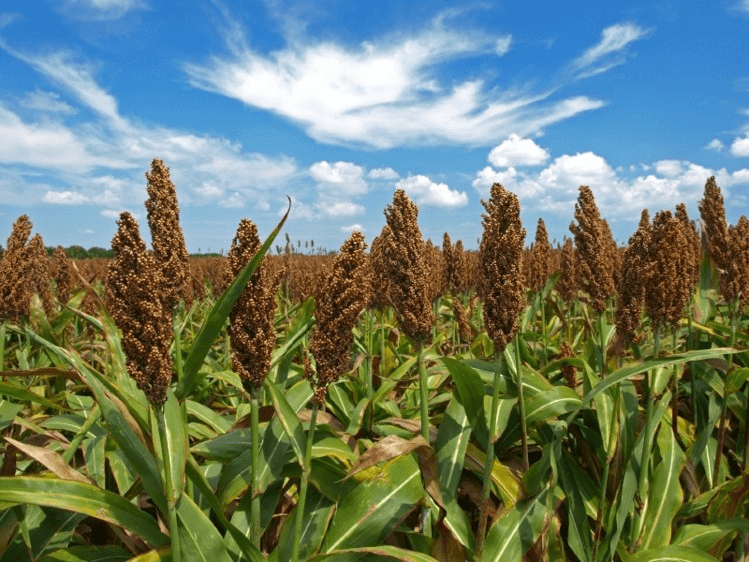
Corteva will also be investing 100,000 dollars in research that is applying gene-editing techniques to create a parasite-resistant “smart” sorghum for farmers.
These collaborations will increase the incomes and food security of smallholder farmers in Africa as the threats of climate change, pests, and disease continue to grow, the statement said.
This investment in particular has caught the attention of some young farmers on the continent.
Evans Okomeng of the Graduate Farmers Network in Ghana told AfS that Africa is hardest hit by the effects of climate change and there is a need for innovation to improve agriculture.
“African farmers must have access to every possible technology being used in Europe and America to be able to improve our production. These include genetically modified foods and gene-edited crops. If that happens, we will be able to feed ourselves and play a collaborative role in feeding the whole world,” he said.
“Technology is very important when it comes to agriculture and young Africans are enthused about technology and its application in farming. With agricultural technology, we can be food secure.”
Okomeng added that without improved seeds and mechanization and irrigation technologies, farmers will work hard and earn very little.
“So, we hope that the United States and the African governments will help us get access to improved seeds and other farming technologies.”
Which other areas are the investments targeting?

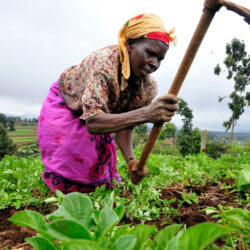
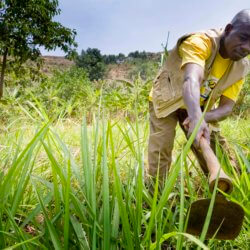
The White House said the investments will support farmers with solar irrigation facilities, digital platforms, insurance, tree planting projects, eco-friendly and sustainable production methods, biofertilizers, ariel imagery and artificial intelligence, and waste treatment innovations.


Additionally, the US government announced new federal funding and initiatives to expand access to climate information services.
The White House said the new investments and initiatives will generate significant economic benefits and address Africa’s pressing needs resulting from the climate crisis, such as food security challenges.
Kofi Don – Agor, the president of the civil society group, Climate Communications and Local Governance — Africa, said Africa needs to strategize to take advantage of these investment opportunities.
“These investments call for African governments to be ready with developed plans, policies, strategies programs, and of course sustainable initiatives to respond to the climate crisis. It calls for private-sector collaboration between state and non-state actors,” he told AfS.
He said the climate crisis Africa faces must be tackled more seriously.
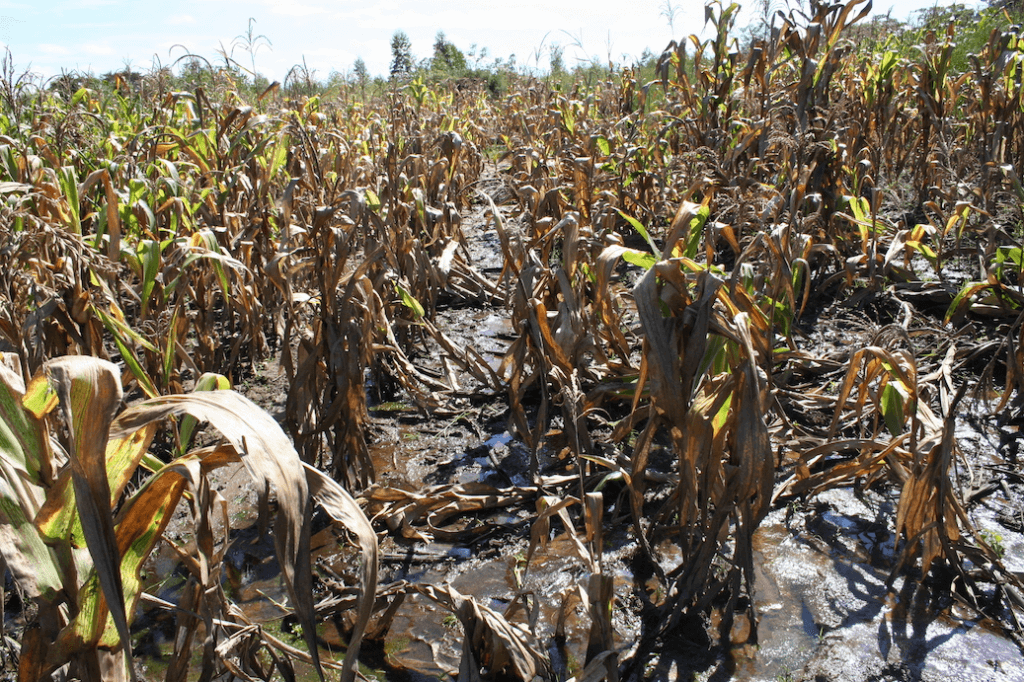
“Her Excellency reiterated facts science has established about climate change globally and Africa in particular. Climate change is real and its manifestation is in rising temperatures, unreliable rainfall patterns, storms, floods, and droughts.”
He added: “Africa contributes the least to climate change but is most adversely affected. Climate is severely impacting energy, food security, health, and various sources of livelihood in Africa. About 43 percent of Africans have no access to sustainable energy.”
Investments must trickle down to young people
In a meeting with the private sector and philanthropic leaders in Zambia, Harris said that “the investments that we make today have the potential to turn the challenges we face into great opportunities that will have generational and global impact.”
Okomeng is urging the parties to ensure the commitments are not mere promises on paper.
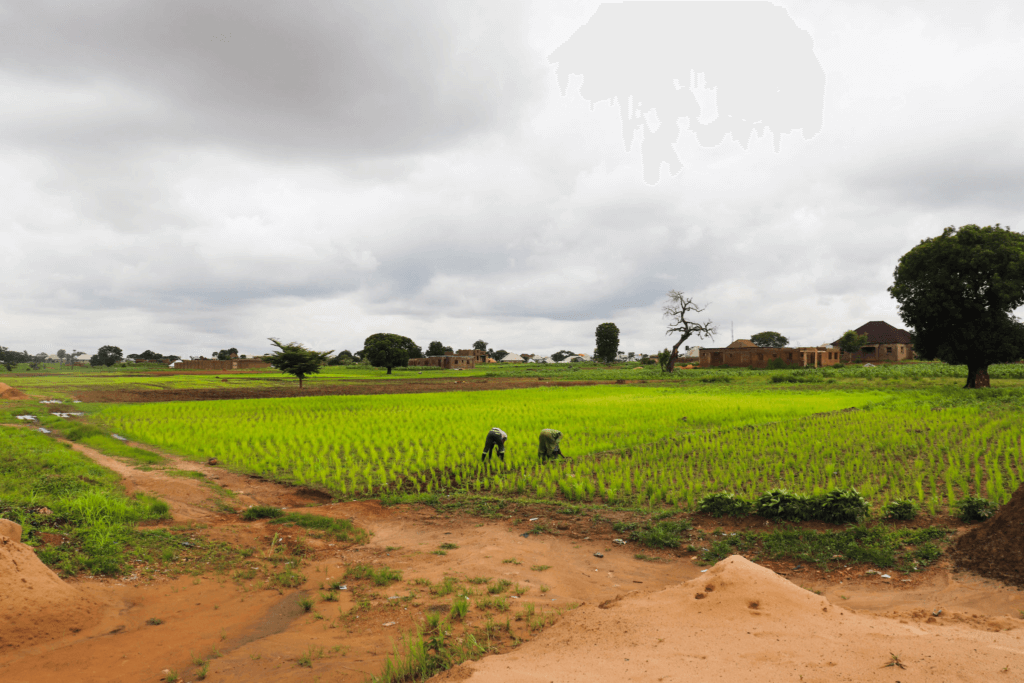
“As young farmers in Africa, this is good news. As to whether this partnership and support she talked about will come to fruition is a different story. We hope it works out,” he said.
“If the US government wants to support young people in Africa, there are many farmers whose produce have no markets. So, we would like the US government to expand access to their market so farmers in Africa can produce more and export. This will motivate farmers and encourages young people to come into agriculture.”
Joseph Gakpo is a journalist in Ghana with significant experience in agriculture and works in a variety of news formats. You can follow Joseph on Twitter @josephopoku1990
A version of this article was posted at Cornell Alliance for Science and is used here with permission. Check out Cornell Alliance for Science on Twitter @ScienceAlly