



Daily Food & Ag Digest
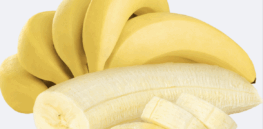
Will ‘neophobia’ kill the newly-developed gene-edited, non-browning banana
When a banana is bruised, cut, or peeled, enzymes trigger a chemical cascade that ends in melanin, the same pigment ...
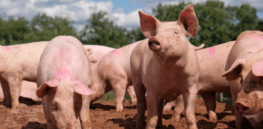
Argentina and Japan far ahead of U.S. and Canada in developing gene-edited livestock
A more permissive approach to gene editing regulation in Argentina has led to greater diversity of innovation and a shift ...

Viewpoint: Glyphosate is agriculture’s scapegoat
Glyphosate has played a central role in modern agriculture’s ability to increase yields, reduce labour costs and conserve soil through ...
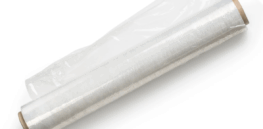
Transforming food waste into biodegradable ultra-thin plastic
In the face of the growing global crisis due to plastic pollution, a team from Monash University in Melbourne (Australia) has managed to transform food ...
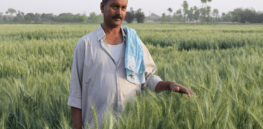
India negotiating removing block on importing US GMO grains to forge new trade deal
In a world where an ever-growing portion of grains is grown from genetically modified seeds, India has sat on the ...
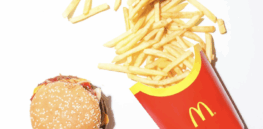
What you probably don’t know: For most fast-food fans, bioengineering isn’t a choice — it’s the norm
Think you’re grabbing a quick “natural” bite from your favorite burger joint? Think again. Whether you order a Big Mac, ...
Industrial ‘white biotechnology’ poised to jump-start Nigerian economy
Nigeria, with its abundant biodiversity, dynamic population, and growing technological capabilities, is uniquely positioned to harness biotechnology for transformative growth ...
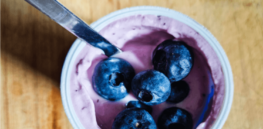
‘Ultra-processed’ does not automatically equate to ‘unhealthy’
They have been called “poison”, “addictive” and “junk”, but however you describe ultra-processed foods (UPFs), it is clear they are the nutritional ...

Kenyan cabinet nears decision on GM crop approvals worth hundred of millions of dollars
Delays in adopting advanced maize, cotton, and potato varieties have cost the country a staggering KSh 20.4 billion in just ...

Chemophobia: From anti-corporate liberal left to MAHA right, it’s getting worse
Chemophobia is complicated, but, in short, it’s a distrust or fear of chemicals and appears in many of aspects of ...
Britain’s landmark agricultural gene editing law kicks in next month. Here’s what to expect
Over the next few years, we could see the arrival of not just genetically altered tomatoes, but also bananas and ...

U.S.-China trade war is turning the country into a net importer of food
The United States, long regarded as a global agricultural leader, is facing a major shift as its farm trade balance ...
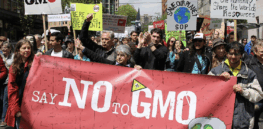
Viewpoint: The GMO primate study that finally shuts the door on misguided claims of unique harm
One of the most persistent myths surrounding GMOs is the supposed long-term harm on our delicate internal landscapes — the ...
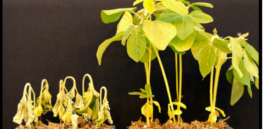
Gene editing may be the only protection we have to maintain farming output as climate grows more extreme
Rapid climate change has significantly impacted agricultural production, potentially affecting global food security. Scientists and policymakers worldwide have devised various ...

Organic labeled food does not mean it’s healthier. It only designates how it was grown
When you see the word organic on a label, it's easy to assume it means healthier, safer or more sustainable, ...

Taylor Swift and the intuitive eating craze
Intuitive eating “focuses on trusting your hunger cues. You decide what to eat and how much based on that,” says ...
‘Blood bath’: American soybean farmers are panicking as trade war with China escalates
China hasn’t booked any U.S. soybean purchases in months, making the oilseed a potent weapon in Beijing’s trade fight with ...

Viewpoint: The gap between agricultural reality and regenerative claims about palm oil: ‘It has become less about agronomy and more about allegory’
Today, the creed lighting up meetings, conference stages and supermarket shelves is regenerative agriculture (RA). ... It has become less ...
Big Ag vs. MAHA: Who’s winning and why
Health and Human Services Secretary Robert F. Kennedy Jr. has a reputation for bashing powerful corporate interests in his quest ...

Viewpoint: 10 reasons why we should not fear GMO fruits
[1.] Many people think genetically modified fruit is a recent invention, but the first GMO fruit hit the market in the 1990s. ...
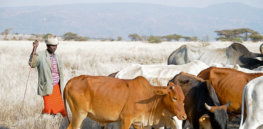
Battling rising feed costs and misinformation, Kenya explores GMO solutions to revive its struggling livestock sector
For years, Kenyan farmers have been complaining of expensive and poor quality livestock feed that is eating into their profits ...

Growing rice traditionally releases dangerous greenhouse gas. Here’s a solution
Rice is perhaps the world’s most important foodstuff — it feeds more than half the global population. But it is ...

Avocado orchard of the future: ‘Creating novel types with vibrant skin colors, unique and distinctive flavors and very large sized varieties’
The future of the avocado could look very different, thanks to Westfalia Fruit’s innovative precision breeding programme in South Africa ...

Industry and Trump’s agriculture department: It’s a revolving door
For decades, regardless of who’s been president, some leaders in key government food and farm departments have had strong industry ...

Understanding why coffee is good for our health
Studying the effects of coffee is particularly challenging. Isolating for a beverage with over 1000 compounds is so tricky that ...

Viewpoint: What happened when a liberal food writer makes a science-based case for glyphosate’s safety and importance—in the New York Times
You shouldn’t drink Roundup. You shouldn’t bathe in it, either. But you shouldn’t worry about eating crops sprayed with Roundup ...

As few as 1% of the world’s population are eating healthy, sustainably-grown food
A major report on the global food system has found that less than 1 per cent of the world is ...
