



Daily Food & Ag Digest
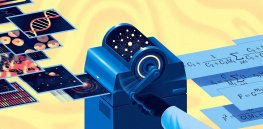
Holy grail for agricultural science? What role could artificial intelligence (AI) play in growing more food?
We need to merge artificial intelligence with synthetic biology, a field of science that involves redesigning organisms to have useful ...

Mmmm, kelp burgers! Would you swap meat for seaweed?
Consider, if you will, the possibility that we left our most promising resource behind in the ocean. Will you swap ...
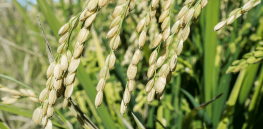
Climate change-fighting rice? Plants trap carbon dioxide as they grow — and CRISPR gene editing can optimize this process
Can gene-editing technology CRISPR create new crops that help fight climate change as they grow? That’s what a group of ...
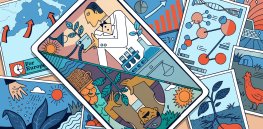
Viewpoint: Why Europe’s proposed Green Deal Farm to Fork strategy will be a disaster for Africa
Agricultural programs funded by the EU have in the past mainly focused on the technologies that Europe wanted to promote ...

‘43% lower yields’: Challenging common wisdom, organic farming is ‘less efficient, more expensive, and worse for the environment’
Consumers are misled about the alleged benefits of organic farming. Organic food is thought to be healthier (it isn’t) and ...
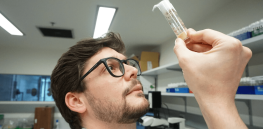
Should California ban the neonicotinoid pesticide imidacloprid? Here are arguments pro and con
Should imidacloprid be banned? Here's an argument for and against banning the pesticide in California ...

CRISPR is already transforming medicine. Next up? Addressing climate change challenges
The advent of CRISPR allowed us to create new molecular tools for potentially skipping the slow aspects of plant tissue ...
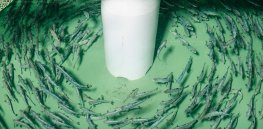
Road to sustainable GMO salmon production: AquaBounty’s endless slog through broken US regulatory system
AquaBounty's transgenic salmon is the first GM animal protein approved for human consumption in the United States and Canada ...
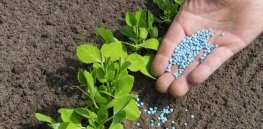
Viewpoint: ‘Farmers don’t need nitrogen fertilizers at all’? — Why easy solutions to cut down on chemical fertilizers don’t work
Clover, it turns out, can be used to fix nitrogen and boost yields in pasture forages for dairy cows. Who ...

Viewpoint: GMO technology is ‘no threat’ to indigenous Ethiopian crops. Here’s why
Should we be worried about losing our indigenous crops because of genetically modified organisms (GMOs)? The answer is an outright ...

Glyphosate: A timeline of the controversial weedkiller’s history and legal troubles
How did we get here? The timeline below includes some of the more significant events, starting with Monsanto's founding ...

CRISPR runs through it: From targeting diseases to transforming farming, gene editing has ushered in a science revolution
CRISPR continues to create new avenues for exploration and reinvigorate old studies ...

What role can genetics play in ‘designing’ more sustainable crops, livestock and trees?
Genome engineers have deployed CRISPR tools in species from viruses and bacteria to plants and trees including species used in ...

A single kilo of saffron is worth up to $10,000. Here’s the genetic history of the world’s most expensive spice
When and where was saffron first domesticated by our ancestors? In a review in Frontiers in Plant Science, researchers conclude that ...

Rice enrichment: GMO crops are coming to the Philippines. Experts are optimistic
Last year, the Philippines approved Golden Rice–a genetically modified variant of rice–to combat malnutrition and vitamin A deficiency in the ...
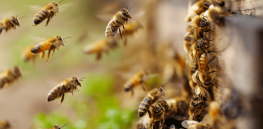
Video: Honeybee apocalypse? Yet another scientist challenges claims that bees used mostly in agriculture are under threat. Wild bees? That’s another story
German physicist Sabine Hossenfelder challenges what she calls the ‘myth’ that honeybees are facing catastrophic health challenges ...
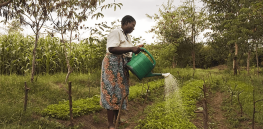
Viewpoint: ‘Win-win for food security’ — Why Uganda needs both biotechnology and agroecology to feed itself as climate change roils farming
Over the past decade or so, many ordinary farmers especially in developing countries including Uganda, have been thrown into a ...
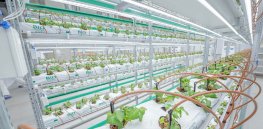
Farming of the future: Can precision indoor farming create an alternative food system?
A precision indoor farming system [PIFS] comprises numerous interrelated components, from the plants and animals to the enclosing structure(s), growing ...
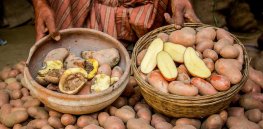
Partnership on track to give Bangladeshi and Indonesian farmers disease-resistant GMO potatoes
Researchers will be testing genetically modified potatoes in Bangladesh and Indonesia this year in hopes of providing farmers with an ...

$87 million judgment holding Bayer liable for cancer allegedly caused by Roundup glyphosate weedkiller upheld by Supreme Court
The US Supreme Court let stand an $87 million award against Bayer AG, rejecting the company for the second time in a week ...
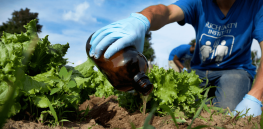
With fertilizer shortage threatening to cripple agriculture, farmers in Niger turn to nutrient-rich human urine
In a bid to revive dying crops in Niger Republic, scientists are using a mineral-rich, low-cost and easily accessible fertilizer ...

Viewpoint: What are the keys to full consumer acceptance of food grown from genetically modified seeds?
“Bioengineered and gene-edited foods might be more successful in the marketplace if they have visual disclosure on the package (the ...
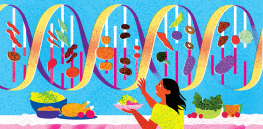
Viewpoint: DNA diets—Can knowing your genes help you nutritionally optimize your meal choices?
Recently several companies have been offering to examine your genome and figure out what you should eat based on your ...
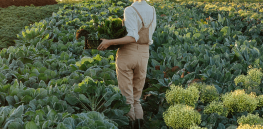
Viewpoint: Regenerative agriculture has become a popular buzzword. Here’s what needs to be done for it to become a transformative, sustainable movement
There isn’t a standard definition for regenerative agriculture, but it represents a holistic framework to understand and respond to global ...

Digital biology: What is it, and what is its role in advancing sustainable farming?
Preparing for a future of resilient and sustainable agriculture that produces nutritious calories for the globe’s growing population requires a ...
Viewpoint: No, trace pesticides do not make fruits and vegetables unhealthy
A recent article in the French daily Le Monde speaks of a study with “impressive” conclusions. Reading it, there is reason to ...
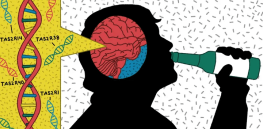
Hate brussels sprouts but love potato chips? Your genes shape what your taste buds like
Scientists have been studying the way genetics influence perception of taste for years, but they are getting closer to understanding ...
