


Sustainability & Climate Change
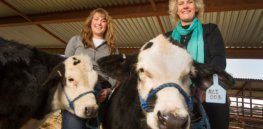
Podcast: Gene editing could make farm animals happier and healthier
Just one genetically modified animal has been approved for human consumption anywhere in the world. A fast growing species of ...

Viewpoint: FDA regulations ‘a disaster’ for genetically modified animal research
The Trump Administration and Congress should rein in the FDA's regulatory overreach on genetically engineered animals, which is stifling important ...
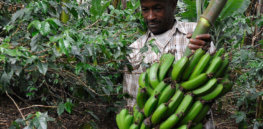
Talking Biotech: Soil-worm resistant GMO crops in Africa hindered by politics, public fears
IITA scientists: GMOs could help fend off nematode crop pests in Africa, but educating policymakers and public about the benefits ...
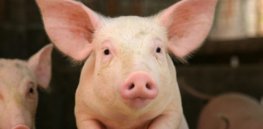
CRISPR could revolutionize livestock breeding—if people will eat gene-edited animals
Clustered regularly interspaced short palindromic repeats (CRISPR), the last site-specific endonuclease to be developed, is an RNA- guided endonuclease, easy ...

Viewpoint: Organic food fight over hydroponics about money—and that’s how farming should be
Sustainable farming can’t actually be sustainable if farmers can’t make money doing it. So there’s a certain irony in the organic ...
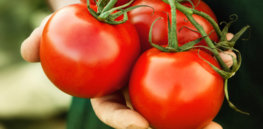
How the tomato lost its flavor––and the way biotech could bring it back
Supermarket tomatoes have a sorry reputation for looking great but tasting like cardboard. Short of growing only heirloom tomatoes, the ...
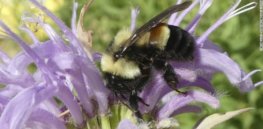
Fungicides may be to blame for US bumblebee declines, study finds
When a Cornell-led team of scientists analyzed two dozen environmental factors to understand bumblebee population declines and range contractions, they ...

South Australia close to passing bill to extend GMO crop ban to 2025
South Australia is set to extend its controversial ban on the growing of genetically-modified crops until 2025 after a bill ...

Genes associated with improved photosynthesis could double crop yields, suck more CO2 out of atmosphere
Scientists from Wageningen University & Research have found natural genetic variation for photosynthesis in plants and are unravelling it to ...
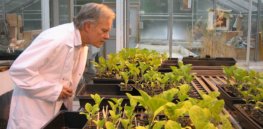
Nanotechnology might help farmers fight climate change, pests and disease–and boost yields
Researchers are exploring the impact of using nanoscale nutrients––including copper––on eggplants and other crops. While early results have shown substantial ...

Nigeria rejects $10 million worth of unapproved GMO corn imported from Argentina
Nigeria’s National Biosafety Management Agency (NBMA) says it has, in conjunction with the Customs Service, ordered that the genetically modified ...

Viewpoint: Blame activist social media for Europe’s anti-science crusade against glyphosate
[Editor's note: Richard Hackett is an Agronomist based in North County Dublin, Ireland.] [A]ccess to abundant food has led to complacency ...
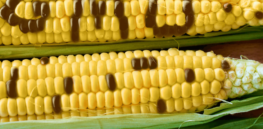
What’s a ‘GMO’ food?
[W]hat exactly is a GMO? The initialism stands for "genetically modified organism," but it's a term lacking scientific precision. Moreover, ...
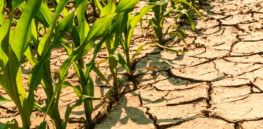
Crop armor: Genetic modification to protect plants from drought, climate change
An army of scientists is hard at work to understand how plants sense, defend and adapt to harsh environments. ...
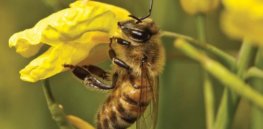
What’s next in the long, heated battle over bees and neonicotinoid insecticides?
[S]tudies showing real-world evidence of harm from pesticides in the field have been mounting — and environmental organizations have demanded ...
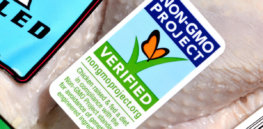
Viewpoint: From Non-GMO to gluten-free, ‘fake transparency’ in food labeling offers little but higher prices
At what point does food labeling become less about transparency and more about marketing strategy? A new federal law mandating ...

Small artisanal farms might not be our environmental salvation
[Cricket flour] was the first note of a dinner set up by the Breakthrough Institute, a pro-technology environmental think tank, in order ...
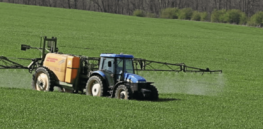
How glyphosate became the world’s most popular weedkiller
Since it was introduced in the United States in 1974 by pesticides and seed maker Monsanto as Roundup, the use ...
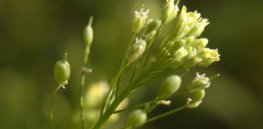
Omega-3 fish oil from a plant? GMO camelina could offer sustainable alternative
The distant relative of rapeseed could solve one of the problems faced by fish farms -- growing fish with the ...

Neonicotinoid, chlorpyrifos insecticides impact bird migration, study finds
"Studies on the risks of neonicotinoids have often focused on bees that have been experiencing population declines. However, it is ...

Talking Biotech: TALEN gene editing to make more nutritious food crops
Calyxt's Dan Voytas: Using TALEN gene editing to create soybeans with healthier oil, high fiber wheat and canola with lower ...
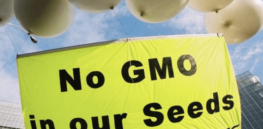
NGO opposition to GMO, gene-edited crops not rooted in emotion and dogma, research suggests
In 2016, 107 Nobel Laureates signed an open letter calling on Greenpeace to desist from campaigning against agricultural biotechnology and ...

UK backs complete EU ban of neonicotinoid insecticides, citing harm to pollinators
The UK will back a total ban on insect-harming pesticides in fields across Europe, the environment secretary, Michael Gove, has ...

Stalemate continues: EU fails to agree on glyphosate herbicide renewal as deadline looms
An EU vote has failed to resolve a controversy over the use of glyphosate, the world's biggest-selling weedkiller. ... The ...

‘We are those farmers’: Why you shouldn’t villainize farmers who use GMOs—or the food they grow
[Editor's note: Kate Lambert and her husband grow corn and soybeans in Brookfield, Mo.] We are those farmers they want you ...
Organic farmer’s plea for a better relationship between organic, conventional farming
An organic farmer speaks out on the similarities between conventional and organic--and the benefits farmers can receive from using both ...

Could the Arctic Apple be the beginning of a new wave of consumer-oriented GMO foods?
This month, bags of sliced apples will hit grocery-store shelves in the midwestern United States for the first time. Shoppers ...
