


Health & Medicine

Viewpoint: 10 things everyone should know about autism
I offer 10 things I wish everyone knew about autism. I'm a developmental and behavioral pediatrician specializing in autism spectrum ...

Mood disorders more common in children of first-cousin parents, study finds
Having parents who are first cousins doubles the risk of inheriting a single-gene condition, from 2.5 percent to about 5 ...

Habits and choices: How does our brain differentiate between the two?
Habitual behavior is routine and automatic, frequently initiated by a cue or change in a situation.Sometimes, habits don't hold up, ...

What would happen if we suddenly stopped dreaming?
Rowan Hooper, the managing editor at New Scientist, reports that chronic dream deprivation is damaging our waking hours in numerous ways. … This ...

Could LSD treat schizophrenia and depression?
A small new study published in the Journal of Neuroscience seems to offer some insight into what’s happening in the brain while we’re on ...

It’s official: California will require cancer warning label on coffee products
A Los Angeles judge has determined that coffee companies must carry an ominous cancer warning label because of a chemical ...

Battling ‘fatty liver’ disease obesity by identifying and gene-silencing mutations
The search for mutations that conjure medical superpowers has turned up people who are resistant to liver disease, even if ...

Colds and other infections may trigger mutation that causes Parkinson’s
Scientists report that the most common Parkinson's gene mutation may change how immune cells react to generic infections like colds, ...

75% of transgender women report ‘positive changes in their life satisfaction’ after surgery
While many transgender people opt for gender-affirming surgeries, little research has been done to examine how such operations may affect ...

Double mastectomy improves prospects for patients with BRCA1 mutation but not BRCA2, study finds
Women with a mutant gene that increases their risk of breast cancer can increase their life expectancy with a radical ...
Macular degeneration patients see hope in embryonic stem cell treatment
Doctors have taken a major step towards curing the most common form of blindness in the UK - age-related macular ...

As your testosterone levels go down, does empathy go up?
Charles Ryan has a clinic in San Francisco at which he regularly relieves men of their testosterone. This “chemical castration”, ...

5 biotechnologies that might help save endangered species
Here are five expanding and emergent fields of biotech that could help safeguard nature: 1. Biobanking. Biobanks store biological samples ...

Viewpoint: Autism research needs a better mouse
The autism risk genes discovered to date are especially amenable to study in mouse models. Mice have analogous versions of ...

Correlation study of 71 Indiana women suggests glyphosate in urine may be linked to shorter pregnancies
In what they claim is the first prospective birth cohort study of its kind, U.S. researchers have linked likely environmental ...

Can’t sleep? Chronic insomnia could be due to genetics
Researchers have identified specific genes that may trigger the development of sleep problems, and have also demonstrated a genetic link ...
‘All of Us’: NIH biobank set to collect genomes of 1 million people to address chronic diseases
This spring, the National Institutes of Health will start recruiting participants for one of the most ambitious medical projects ever ...

Possible breakthrough in one-a-day male birth control pill?
One of the latest experimental candidates for a male birth control drug is a compound that would be taken much ...

Fertility clinic meltdown: What happens when slumbering eggs are awakened early
Fragile spindle apparatuses are an integral part to embryonic growth. What happened to embryo structures when they were thawed and ...
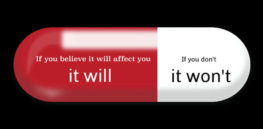
Viewpoint: Placebo effect ‘growing more powerful’, and here’s why
Over the last several years evidence has been accumulating that placebo effects are becoming more powerful. Clinical trials on a range of ...

Viewpoint: No, the placebo effect is not increasing, but bedside manners do impact perceived drug efficacy
[A] new article, published in Psychology Today, purports that the “Placebo Effect is Growing.” In the author’s words, “Over the ...

Abnormally large breasts in boys linked to ‘essential oils’ used in common shampoos, soaps and lotions
A suspected link between abnormal breast growth in young boys and the use of lavender and tea tree oils has ...

Men, women respond differently to genes linked to depression
In men and women diagnosed with major depressive disorder, the same genes show the opposite changes. In other words, the ...

Decades-old immunosuppressant drug rapamycin could extend life
In the 1990s, pharmacologist Dave Sharp of the University of Texas’s Barshop Institute for Longevity and Aging Studies in San ...

Why the body’s response to pregnancy may help us better understand cancer
Cancer cells and placental cells regulate the immune system in remarkably similar ways. We can learn a great deal by ...

How to avert an ‘antibiotic apocalypse’
The “Antibiotic Apocalypse” scenario, where drug-resistant bacteria end humanity, often seems to be somewhat inevitable, a process driven so strongly ...

Staying ‘highly physically fit’ could stave off dementia by nearly 90%
The intricacies behind what can cause dementia are still largely a mystery and highly debated. But a new study published [March ...
