


Health & Medicine

Viewpoint: There’s no reason to panic over human germline editing
[Editor's note: Hank Greely is a professor of law and genetics at Stanford University.] Controversy has raged about editing human ...

Small artisanal farms might not be our environmental salvation
[Cricket flour] was the first note of a dinner set up by the Breakthrough Institute, a pro-technology environmental think tank, in order ...

Trade disruption: Fears grow that EU glyphosate herbicide ban could upend global food markets
A possible glyphosate ban entails the risk of trade disruption to food imports from third countries, in case the EU ...
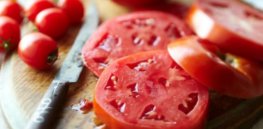
GMO tomato created with dramatically higher vitamin levels, antioxidant properties
The School of Biological Sciences, Faculty of Science, the University of Hong Kong (HKU), in collaboration with the Institut de ...

Ethical debates swirl around gene-editing decisions
[Editor's note: Joselin Linder is the author of the book "The Family Gene: A Mission to Turn My Deadly Inheritance ...

Brain autopsy of murderer Aaron Hernandez shows severe CTE damage
For the first time since announcing former NFL star Aaron Hernandez's CTE diagnosis in September, Boston University neuropathologist Dr. Ann ...

How glyphosate became the world’s most popular weedkiller
Since it was introduced in the United States in 1974 by pesticides and seed maker Monsanto as Roundup, the use ...

Omega-3 fish oil from a plant? GMO camelina could offer sustainable alternative
The distant relative of rapeseed could solve one of the problems faced by fish farms -- growing fish with the ...
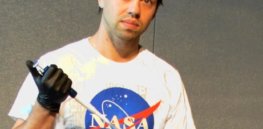
The quest to make CRISPR gene editing as easy as a smartphone app
[Biohacker Josiah Zayner] lives and works in Oakland, California, where he's converted a house into a scientific lab. Here, he ...

US government pushes precision medicine research with Fitbit giveaway
In his 2015 State of the Union, President Obama announced the Precision Medicine Initiative — a massive research project designed ...
New error-free DNA sequencing method could diagnose rare diseases
A virtually error-free new method of DNA sequencing could one day be used to diagnose extremely rare cancers and hereditary ...

FDA lightens up on ‘outrageous’ direct-to-consumer genetic information ban
Food and Drug Administration (FDA) head Scott Gottlieb is reeling in his agency's outrageous four-year ban on direct-to-consumer genetic testing. Under the ...
Naming genetic diseases: There’s more to it than you might think
An effort is underway to streamline the way we name genetic diseases, with an emphasis on imparting useful medical information, ...
Talking Biotech: TALEN gene editing to make more nutritious food crops
Calyxt's Dan Voytas: Using TALEN gene editing to create soybeans with healthier oil, high fiber wheat and canola with lower ...

Deep freeze: Will climate change awaken long-frozen diseases?
I visited Greenland because, lately, the land here has gone soft, and disquieting things threaten to wake in it. … ...

IARC rejects US House science committee’s request to testify on glyphosate cancer report scandals
The International Agency for Research on Cancer will not comply with a House science committee's request related to the agency's conclusions on ...

Getting behind the genetics of high-altitude adjustments
People who both travel to and live at high altitudes typically cope with lower oxygen levels by increasing red blood ...

Alcohol addiction: Can we blame our ancient ancestors?
[M]illions of years ago, being able to consume alcohol was likely vital to survival: our ancestors evolved to metabolize booze right around ...

Microsoft’s foray into the quest to cure cancer
As Digital Journal has recently reported Microsoft has recently launched Healthcare NeXT, which is a cloud-based, artificial intelligence and research project ...

Can’t get motivated? You may be able to blame your genes
Being apathetic may feel like following the path of least resistance. But studies of apathy in the brain show otherwise ...
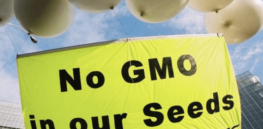
NGO opposition to GMO, gene-edited crops not rooted in emotion and dogma, research suggests
In 2016, 107 Nobel Laureates signed an open letter calling on Greenpeace to desist from campaigning against agricultural biotechnology and ...
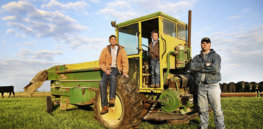
‘We are those farmers’: Why you shouldn’t villainize farmers who use GMOs—or the food they grow
[Editor's note: Kate Lambert and her husband grow corn and soybeans in Brookfield, Mo.] We are those farmers they want you ...
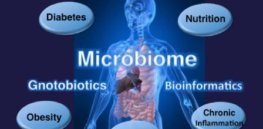
Gut microbiome could influence response to cancer treatment
When [cancer] drugs work, the immune system tramples tumors into oblivion. But they don’t always work—in fact, cancer drugs can ...

Stalemate continues: EU fails to agree on glyphosate herbicide renewal as deadline looms
An EU vote has failed to resolve a controversy over the use of glyphosate, the world's biggest-selling weedkiller. ... The ...

Could the Arctic Apple be the beginning of a new wave of consumer-oriented GMO foods?
This month, bags of sliced apples will hit grocery-store shelves in the midwestern United States for the first time. Shoppers ...

Viewpoint: It’s time to stop drawing links between mercury and autism
[Editor's note: Emily Willingham is a science writer and co-author of The Informed Parent: A Science-Based Resource for Your Child's First Four ...

Will we learn anything from the brain of Las Vegas shooter Stephen Paddock?
The brain that sat in the skull of the Las Vegas shooter [Stephen Paddock] as he planned out his attack, ...
