


Health & Medicine
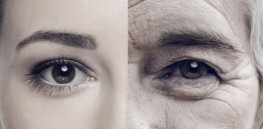
The quest for youth, and what our genes have to say about it
Why do some people seem to age faster than others? The answer may lie in our epigenetics ...

Why the ‘Hong Kong’ flu is wreaking so much havoc
In 1968, scientists discovered a new strain of flu circulating around Hong Kong. The virus, though, didn't stay put. It ...

Do cell phones cause cancer? Long-awaited study offers mixed results, no definitive answer
The long-awaited results of a $25 million National Institutes of Health study on the effects of cellphone radio-frequency radiation exposure on animals is ...
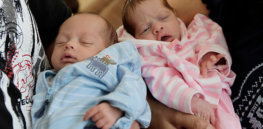
Boys’ and girls’ brains are different as early as 1 month of age
On average, men and women differ psychologically in small but reliable ways, such as in personality, interests, and cognitive performance, but the basis ...
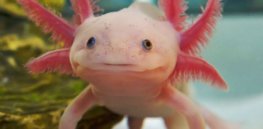
The regenerating axolotl: What can we learn from its giant genome?
Scientists have decoded the genome of the axolotl, the Mexican amphibian with a Mona Lisa smile. It has 32 billion ...
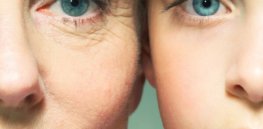
Chasing the ‘Fountain of Youth’ through stem cells
Editor's note: The following is part of a Q&A interview with Vittorio Sebastiano, a research professor of reproductive biology at ...

Forecasting the flu is a challenge. Here’s why
[F]or the third week in a row, flu activity remains widespread in 49 states, according to the latest CDC data ...
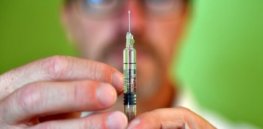
‘Cancer vaccine’ shows promise in mice; human trial next
A combination of a tiny segment of DNA and a specific antibody injected into a solid tumour has been shown ...
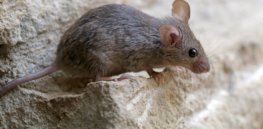
Autism researchers focus on ‘retired’ line of mice with missing gene
Nearly 20 years ago, a new strain of mice debuted in a California laboratory. The mice were missing a gene ...

Incurable arthritic knees? Gene therapy offers new hope
Imagine a single injection into the knee vanquishing painful arthritis — forever. Gene therapies aimed at two molecular targets could ...

CRISPR shows promise in treating Duchenne muscular dystrophy
Scientists have successfully tweaked the DNA in human heart cells to correct mutations that cause a deadly disease. If the ...
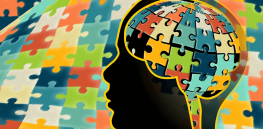
Why autistic children are less likely to engage socially
[C]linicians and scientists have proposed a variety of theories to explain why kids with ASD tend to be less socially ...

What might the next flu pandemic look like?
If humanity is lucky, the next flu virus with pandemic potential will unfold somewhere quick to catch and contain the threat—a ...
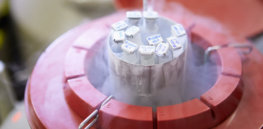
In vitro fertilization planning: How many eggs do you need to freeze?
[W]hen you freeze a batch of eggs, that's no guarantee any or all of them will make it through the ...

Are atheists smarter than religious people?
Of course, there are examples of extremely intelligent individuals with strong religious convictions. But various studies have found that, on ...
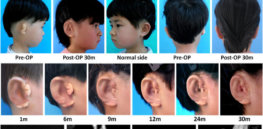
Replacement ears for children grown from their own cells in Chinese lab
Chinese scientists say they’ve accomplished something that’s long been a goal in the world of regenerative medicine—giving someone a new, ...
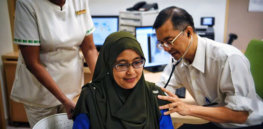
This may explain why women are more likely to develop lupus
Every year, 16,000 cases of lupus are reported in the United States — 9 out of 10 of them in women. Scientists ...

How heritable is autism? Twins research suggests we may be vastly underestimating it
An analysis of DNA variants suggests the heritability of childhood behavior problems, including autism traits, is about 6 percent, researchers ...
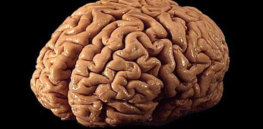
‘Brain banks’: Why these scientists want your brain
Researchers are striving to build collections of brains free of Alzheimer's and other forms of dementia. A stronger base of ...

New Zealand anti-GMO group challenges recommended approval of Golden Rice to fight vitamin-A deficiency in Asia
Campaign group GE Free NZ wants regulator Food Standards Australia New Zealand (FSANZ) to review its draft approval for Golden ...

Search and destroy: CAR-T cell therapy could give patients HIV immunity
A UCLA-led research team has created blood-forming stem cells that can carry a gene that allows the body to produce cells ...

NBC News’ Richard Engel’s son diagnosed with Rett syndrome. Why that’s such a rarity
The Today Show recently reported the sad story of Henry Engel—the toddler son of correspondent Richard Engel and his wife Mary Forrest who ...
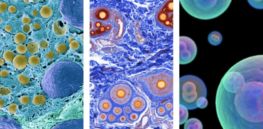
Human Cell Atlas: The quest to build biology’s periodic table
Realizing the need and potential for an atlas of all human cells, two scientists, Aviv Regev and Sarah Teichmann, have ...

Genetic ‘switch’ could slow spread of cancer in patients with high-fat diets
In a set of papers published in the journals Nature Genetics and Nature Communications, researchers at Harvard Medical School and the Cancer Center at ...

Could modern influenza outbreaks escalate into devastating pandemics like the 1918 ‘Spanish Flu’?
It is unlikely that we will ever experience anything like the 1918 outbreak, but researchers say we could see outbreaks ...

Hope for peanut allergy sufferers: Gene-silenced hypoallergenic nuts could save lives
Moving to the United States helped [Hortense Dodo, a food scientist and entrepreneur from Ivory Coast] reach her academic goals, but ...

Hot stuff: Do human pheromones really exist?
Some companies, such as the Athena Institute, which, according to its founder, Winnifred Cutler, published its 108th consecutive ad in The Atlantic this month, ...
