Mass tragedies underscore desperate need for synthetic blood

web blood alamy

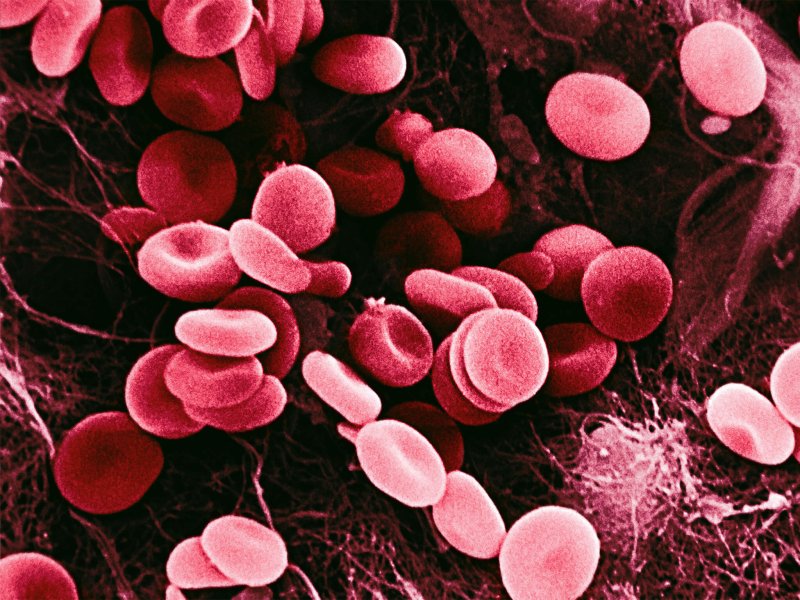
Scientists have been working on creating synthetic blood for years now. The hope is that this substance will have a longer shelf life than human blood—which can only be refrigerated for 42 days—and eventually can be packaged and stored for use in emergencies.

…

[Physician Allan] Doctor’s lab has been working to create a blood substitute called ErythroMer, comprised of human hemoglobin, sourced from the red blood cells in expired blood at blood banks, and a synthetic polymer. This synthetic blood is actually a dehydrated powder, which would allow it to be stored for years, rather than weeks, and easily transported.

…

As scientists work to bring their synthetic blood to the masses, Americans are not necessarily on board. My colleague Sarah Emerson reported last year that 63 percent of the 4,700 adults in a Pew Research Survey don’t like the idea of synthetic blood, citing distrust.

Regardless, the idea that this kind of invention could have saved even some of the people lost in the Vegas shooting can’t be ignored. And with other parts of the world, like Sub-Saharan Africa, face a far more critical shortage of blood supplies on a daily basis. That should be enough to convince the skeptics that this is a worthwhile endeavor.

The GLP aggregated and excerpted this blog/article to reflect the diversity of news, opinion, and analysis. Read full, original post: Scientists Are Racing to Create Synthetic Blood in the Wake of Mass Tragedies

Related Articles

Infographic: Global regulatory and health research agencies on whether glyphosate causes cancer

Infographic: Global regulatory and health research agencies on whether glyphosate causes cancer

Does glyphosate—the world's most heavily-used herbicide—pose serious harm to humans? Is it carcinogenic? Those issues are of both legal and ...

Most Popular

Screenshot-2026-10-01-at-10.52.08-AM
Non-browning CRISPR gene-edited bananas move one step closer to British markets
AI-Force-Leadership-Portrait
Jay Clayton controversy: The divisive history of Trump’s newly-appointed AI czar
Screenshot-2026-09-22-at-10.54.12-AM
‘They misunderstand science’: Research attempting to tie autism to changes in the gut microbiome comes under fire
ChatGPT-Image-Mar-10-2026-01_39_01-PM
Viewpoint—“Miracle molecule” debunked: Why acemannan supplements don’t work
Elderly-Speaker-at-MAHA-Institute
At anti-vaccine MAHA conference, RFK Jr. pledges to unify federal health information and combat vaccine safety ‘misinformation’
ChatGPT-Image-Sep-21-2026-11_21_39-AM
Viewpoint: Food cults: Online ‘nutrition communities’ can pose unique dangers
Screenshot 2026-10-01 at 12.30
Combating ‘narrative distortion’: Will pharma companies step up to challenge health misinformation?
ChatGPT-Image-Sep-10-2026-10_36_07-AM
Viewpoint: Even lousy scientific articles can shield authors when they hype dubious health claims and products
ChatGPT-Image-Sep-21-2026-03_15_09-PM
Viewpoint: Chipotle-inspired lesson: 10,000 sick customers suggest that processed foods can be safer than fresh ones
generated-1790707585414
Facts & Fallacies podcast: America's health care system is broken. A doctor explains how to fix it
glp menu logo outlined

Get news on human & agricultural genetics and biotechnology delivered to your inbox.