


Daily Human Digest

Who surivived in England after the last ice age? DNA analysis reveals two distinct groups
Scientists have sequenced the oldest human DNA discovered in Britain and discovered two unique population groups that lived in Britain ...
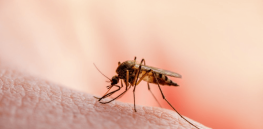
‘A whole new class of drugs to fight malaria’: Single dose of antibody infusion protects for six months
A single dose of an antibody drug provided strong protection against malaria infections during the six-month rainy season in Mali, ...

Stopping bioterrorism: Here’s how new genetic sequencing can detect altered viruses and bacteria
A new, highly transmissible strain of influenza emerges. A pesticide-resistant insect decimates huge swaths of crops. A patient winds up ...

How a genetically-engineered enzyme could help recycle plastic waste and clean microplastics from the oceans
People like recycling. Tossing an empty bottle or old mail into the proper bin feels like tidying up and doing ...

Viewpoint: ‘What’s the biological equivalent of an atomic bomb’? Here’s how the gene editing revolution could go astray
We now sequence the genes of people, animals, plants and tumors routinely. We’re starting to edit DNA, not only in ...

What’s the best time of day to exercise?
Performing moderate to vigorous activity (MVPA) in the afternoon or evening may improve blood glucose control to a greater extent ...

Library of the future: How DNA storage can break through current technological storage limits
While DNA can store data orders of magnitude greater in complexity and density than today's storage media, researchers are grappling ...

AI and blood poisoning: New tool could help detect sepsis before it becomes fatal
Each year in the United States, sepsis kills over a quarter million people — more than stroke, diabetes, or lung ...

Podcast: Evolution of hair texture — Did curls help early humans survive?
In the latest episode of the Tracking Traits podcast, postdoctoral researcher Tina Lasisi relayed her aims as a scientist working ...
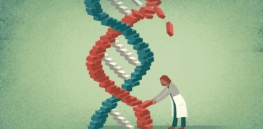
CRISPR co-creator Jennifer Doudna looks back on the best and worst parts of gene editing’s first ten years
In a candid conversation with GEN Senior Science Writer Julianna LeMieux during “The State of Biotech” forum, Doudna discussed a ...

‘We are out on the far edge of experimentation’: Lone volunteer in Duchenne muscular dystrophy CRISPR gene editing study dies
The lone volunteer in a unique study involving a gene-editing technique has died, and those behind the trial are now ...

Ancient homo sapiens diets included grains, veggies… and other people? Cannibalism was the norm in early human societies
Our Paleolithic ancestors ate each other. We (Homo sapiens) did it. Neanderthals did it. Homo erectus and Homo antecessor did ...

Treatment-resistant triple-negative breast cancer disproportionately affects Black women. African genetic ancestry may explain why
Researchers in the US have found a genetic link between people with African ancestry and an aggressive type of breast ...

‘Children of Omicron’: What public health threats lie ahead as COVID evolves?
Throughout the pandemic, the virus that causes COVID-19 has been evolving fast, blindsiding the world with one variant after another ...

Viewpoint: Egg freezing is not simple, cheap or guaranteed — So why are many young women encouraged to do it?
It will give you more choices, you’re told. It will take the pressure off. It’s like an insurance policy. It ...

Gene therapy update: More than 2,000 treatments are in development worldwide as revolution spreads to low- and middle-income countries
Gene therapy is at the forefront of modern medicine. By making precise changes to the human genome, these sophisticated technologies ...

Viewpoint: Challenging perceptions — The 21st century so far is the most peaceful time in human history
It is a common perception that we are living in the most unstable and disturbing circumstances amidst inequality, class differences, ...
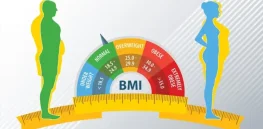
Viewpoint: Do doctors rely on BMI too much? Undue focus on weight can lead to patient distrust and delayed care
BMI surveillance is ubiquitous in medical settings and medically focused technologies. BMI is assessed at nearly every touchpoint in primary ...
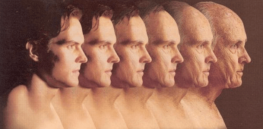
Biological tipping point: At a certain point in life, environmental factors and age are more important to disease risk than DNA
In 1952, Nobel-prize winner Dr. Peter Medawar put forward the hypothesis that aging processes may be a result of evolution’s ...

10,200 nerve endings on the clitoris? More exact nerve count could make sexual wellness surgery safer
There are, in fact, an average of 10,280 nerve fibers according to a histomorphometric evaluation of the dorsal nerve of ...

Decolonizing universities: UK schools struggle with how to address legacy of racism
In February, the nineteenth-century naturalist Thomas Henry Huxley, escaped — in the eyes of some — from ‘cancellation’ at one ...

Genetics research has been weaponized by extremists. Here’s how scientists can combat this trend
Earlier this year, we were appalled to see a figure from a paper1 co-authored by one of us (S.R.) displayed ...

Brain fog: Reducing air pollution can provide major cognitive benefits for older people
During the past decade, a growing body of research has shown that air pollution harms older adults’ brains, contributing to ...

1 in 10 Americans over 65 have Alzheimer’s — and this number is even higher in Black Americans
One in 10 Americans over 65 had dementia, while 22% experienced mild cognitive impairment, the earliest stage of the slow ...

Cancer rates continue 30+ year downward trend
The American Cancer Society’s Annual Report to the Nation on the Status of Cancer showed a decline in every major ...

Autoimmune disorders: Here’s how the Black Death altered evolution and left permanent scars on survivors’ descendants
When the Black Death swept through northern Africa and Eurasia in the mid-fourteenth century, it killed up to half of ...

HeridiGene: How the world’s largest DNA-mapping study is saving lives
The world’s largest initiative to map the DNA of an entire population will benefit patients for years to come, but ...
