AI and blood poisoning: New tool could help detect sepsis before it becomes fatal

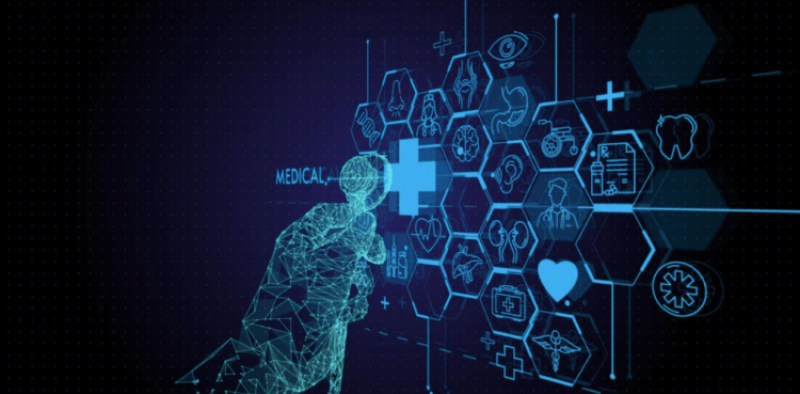
AI helps prevent sepsis
Credit: Freepik

Each year in the United States, sepsis kills over a quarter million people — more than stroke, diabetes, or lung cancer. One reason for all this carnage is that sepsis isn’t well understood, and if not detected in time, it’s essentially a death sentence. Consequently, much research has focused on catching sepsis early, but the disease’s complexity has plagued existing clinical support systems — electronic tools that use pop-up alerts to improve patient care — with low accuracy and high rates of false alarm.

Mis- and disinformation are distorting science and public policy. Subscribe to our Daily and Weekly Digests for incisive coverage of ‘disruptive’ innovations in AI, agricultural biotechnology, food, chemicals, nuclear energy, vaccines, and other disruptive innovations.

That may soon change. Back in July, Johns Hopkins researchers published a trio of studies in Nature Medicine and npj Digital Medicine, showcasing an early warning system that uses artificial intelligence. The system caught 82 percent of sepsis cases and reduced deaths by nearly 20 percent. While AI — in this case, machine learning — has long promised to improve health care, most studies demonstrating its benefits have been conducted on historical datasets. Sources told Undark that, to the best of their knowledge, when used on patients in real-time, no AI algorithm has shown success at scale. Suchi Saria, director of the Machine Learning and Health Care Lab at Johns Hopkins University and senior author of the studies, said the novelty of this research is how “AI is implemented at the bedside, used by thousands of providers, and where we’re seeing lives saved.”
This is an excerpt. Read the full article here

Related Articles

Infographic: Global regulatory and health research agencies on whether glyphosate causes cancer

Infographic: Global regulatory and health research agencies on whether glyphosate causes cancer

Does glyphosate—the world's most heavily-used herbicide—pose serious harm to humans? Is it carcinogenic? Those issues are of both legal and ...

Most Popular

Glossy Plastic Bag of Tokens and Labels
Viewpoint: How CNN got played by environmental activists pushing a plastics scare and litigation agenda
Screenshot-2026-10-30-at-11.36.40-AM
An Earth-saving benefit of global warming?: How fossil fuel-burning humans stopped the looming Ice Age
Screenshot-2026-10-21-at-11.30.51-AM
Viewpoint: Yes, our food system stinks, but the attack of ultra-processed foods is often misplaced
ChatGPT-Image-Mar-10-2026-01_39_01-PM
Viewpoint—“Miracle molecule” debunked: Why acemannan supplements don’t work
Neon Syringe Portrait with BPC-157
Viewpoint: Peptides and medical freedom: The MAHA obsession that can damage your health
Robots in a Futuristic Conference Meeting
Helpful until we’re helpless? Researchers warn AI is gradually eroding human control
Patriotic Flag in a Glass Flask
Viewpoint: America Last: From the Pentagon to universities, Trump’s corruption of science could inflict lasting, irreversible damage on U.S. research
Bayer Crop Circle in Golden Wheat
Making fertilizer from thin air: Bayer’s gene-editing innovation could dramatically cut chemical fertilizer use in growing food
Screenshot 2026-07-29 at 10.40
The COVID vaccine turbo cancer scare is back. Science still proves it’s wrong.
Screenshot 2026-10-27 at 10.32
“Do your own research”: What Medicare’s annual open enrollment circus teaches us about the seductive trap of DIY health and science
Screenshot-2026-10-30-at-11.20.30-AM
‘Silent killer’: Hepatitis B could surge under Trump–RFK Jr. rollback of newborn vaccine recommendations
glp menu logo outlined

Get news on human & agricultural genetics and biotechnology delivered to your inbox.