


Daily Food & Ag Digest

What 3D printing can teach us about how to regulate CRISPR gene editing
Australia’s gene technology regulations have not been revised since 2001- despite many game-changing advances in genetic technologies over the past 17 ...
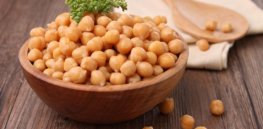
Wild relatives could help staple crops like chickpeas adapt to climate change
They are nutritious, versatile and a dietary staple for millions of people from South Asia to Ethiopia, but scientists have ...
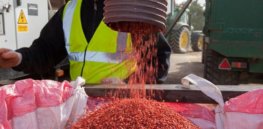
Neonicotinoid, fipronil insecticides largely ineffective as pests develop resistance, study says
A new study raises questions about the effectiveness of the two most popular types of agricultural pesticides, noting overreliance on ...

Sri Lanka lifts ban on glyphosate herbicide after farmers protest
In its first reform act after the humiliating defeat it suffered in the local bodies elections held on February 10, ...
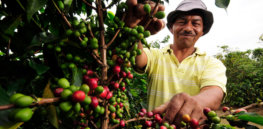
Could genetic engineering save coffee from a deadly fungus?
Genetic diversity or lack thereof can have real consequences for our diets, and more importantly, for our health. ... The ...

Will Australia free CRISPR gene-edited crops from government regulation?
Gene editing technology – CRISPR is the best-known example – would be freed from government regulation under a proposal by ...
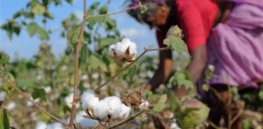
Viewpoint: Forcing Monsanto out of India could have serious consequences for cotton farmers
[T]hose who advocate swadeshi tend to forget that the Bt seeds patented by Monsanto were responsible for doubling the yield of cotton ...
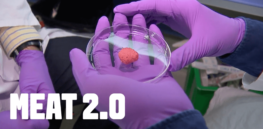
Video: How is lab-grown meat made—and can it overcome the ‘ick factor’?
Food scientists and startups are trying to make meat more ethically appealing by growing it — cell by cell — ...

Viewpoint: Dissecting the Food Babe’s anti-‘natural flavors’ pseudoscience
Our good friend the Food Babe has published an interesting piece of pseudoscience writing entitled ‘Are Natural Flavors Really That ...
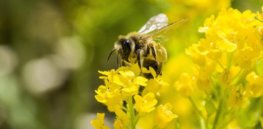
Farmers, environmental advocacy groups disagree on neonicotinoids’ impact on bees
The U.S. Public Interest Research Group is among the organizations lobbying the Environmental Protection Agency to ban the pesticides, known ...
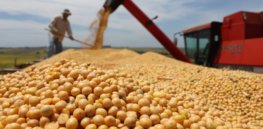
Argentine farmers reverse course, agree to pay royalties for GMO seeds
Argentine farmers have agreed to pay perpetual royalties when they replant genetically modified seeds made by companies like Monsanto Co, ...
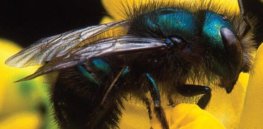
Backup pollinators: California almond, fruit producers hope blue orchard bees can reinforce honeybees
The need for a backup bee has become critical, particularly in almond orchards. Almonds are California’s second-largest crop, injecting an ...
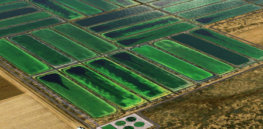
Future of food: Huge algae farms could feed humans, animals more sustainably
Scientists hoping to meet the Paris climate accord goal of limiting global temperature rise to less than two degrees Celsius ...
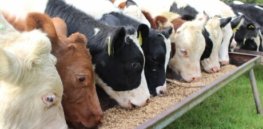
New Breeding Techniques (NBTs) needed to improve protein crops, says European farmers group
There is a need to maintain the EU’s main source of protein feed that are the co-product of biofuels, the ...
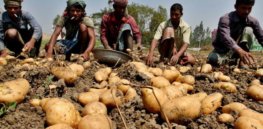
Bangladesh embraces GMO crops to boost yields, reduce pesticide use
Bangladesh is the world’s seventh-largest producer of potatoes. Most of the crop is grown by small-holder farmers. Akhter Hossain, a ...

Farmers, ag companies launch court challenge of California’s Prop 65 listing of glyphosate
On [Feb. 20], a national agricultural coalition presented arguments for a preliminary injunction before the U.S. District Court for the Eastern ...
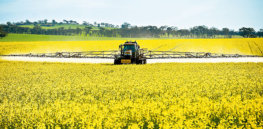
Non-GMO herbicide-tolerant canola to be grown in Canada this year
Supporting modern agriculture while also selling into the market for non-genetically modified food seems like a contradiction. But an American ...

Genetically engineered poplar trees, switchgrass could lead to more efficient biofuels
A research team led by the University of Georgia has discovered that manipulation of the same gene in poplar trees ...
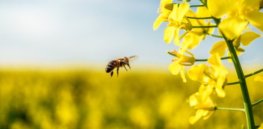
Viewpoint: Total ban on ‘bee-harming’ neonicotinoid insecticides is not the best path forward
Calls to ban ‘bee-harming pesticides’ heightened last year following the release of new field studies on the effects of neonicotinoids, ...
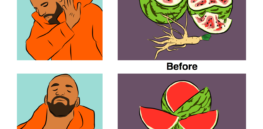
Artist illustrates how humans ‘genetically modified’ food since the dawn of agriculture
Although genetically modified foods appeared recently, human beings have been altering unintentional plant genomes for millennia. Agriculture appeared around 10,000 ...

Viewpoint: Anti-science activists beware—Uganda’s president knows GMO crops are good for farmers
We came to learn about a month ago that [Ugandan] President [Yoweri] Museveni had referred the Biotechnology and Bio-safety Bill ...
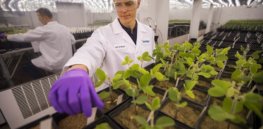
Biotech startup Indigo Ag aims to upend agriculture with microbiology
[David Perry, CEO of Indigo Ag, an agricultural-technology startup headquartered in Boston] sees an opportunity for Indigo Ag to lead ...

First land plants may have appeared 100 million years earlier than previously thought
A seminal event in the Earth's history - when plants appeared on land - may have happened 100 million years ...

CRISPR revolution could level the playing field for crop biotech companies
For agriculture, [CRISPR] technology is a new way to instill crops and livestock with desirable traits — or to remove ...
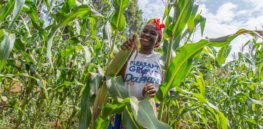
Can insect-resistant GMO Bt corn help Kenya fight crop pests and climate change?
Elizabeth Nduku, a smallholder maize farmer in [Kenya], is dejected. Her crop is worse off than the previous seasons. This ...
Viewpoint: Science-based biotech regulations could unlock a new agricultural revolution
The discovery of DNA and new developments in information and nanotechnology provide the foundation for a new agricultural revolution that ...

‘Natural’ food label heads to court
In recent years, one bright spot in an otherwise lackluster market for packaged foods, beverages and consumer products has been ...
