


Daily Food & Ag Digest

How foods created with CRISPR and other New Breeding Techniques (NBTs) can earn consumer trust
An Interview with Alison Van Eenennaam, Animal Biotechnology & Genomics Extension Specialist at the University of California-Davis: From your perspective, ...

Viewpoint: CRISPR crops poised to help global food insecurity and limit farming’s environmental impact
Increased crop productivity, including the use of genetically modified and other forms of biotechnology crops, leads to more affordable food ...
Viewpoint: Field studies suggest bee health issues not linked to neonicotinoid insecticides
According to the European Union Food Safety Authority, most uses of neonicotinoids represent a risk to wild bees and honeybees ...

Video: Why CRISPR gene-edited foods aren’t subject to USDA’s GMO regulations
In April 2016, the USDA gave the first approval to a CRISPR crop, clearing white-button mushroom that had been edited to ...

Italian election results in rise of anti-science political parties opposed to GMOs, vaccines, animal testing
The outcome of ... parliamentary elections in Italy was a stunning victory for populist and nationalist parties, and a clear ...

Wheat is a notoriously difficult crop to improve. CRISPR could change that
One challenge to improving wheat genetically has been due to the complex genetic mechanisms that go on with wheat DNA. A wheat ...
Facing potato blight crisis, Bangladesh partners with American universities, Simplot to develop disease-resistant GE variety
Bangladesh’s agriculture sector is mainly comprised of smallholder farmers ... who farm on plots smaller than 1.5 acres. Managing harvest ...
Genetically modified livestock in Africa: Kenya hopes to become animal biotech research leader
Kenya is on its way to start using genetically modified (GM) animals in research, an official said.... Dorington Ogoyi, Acting ...
Will Australia ban neonicotinoid insecticides despite no evidence of bee declines on the continent?
European farmers are facing a total ban on a common group of pesticides after a report confirms they harm bees, ...
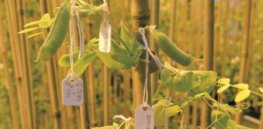
How injecting genes into pea plants could introduce disease resistance and improve nutrition
Scientists are injecting genes into pea plants to speed up introducing better disease resistance and improving the nutrition of this ...

‘Major breakthrough’: Genetic modification of single gene could reduce crops’ water use by 25 percent
Researchers on Tuesday [March 6] unveiled a genetic modification that enables plants to use a quarter less water with scant ...
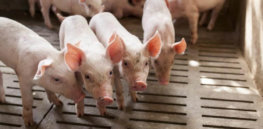
Gene-edited pigs could eliminate need for castration
Castrating pigs is not a favorite chore for pork producers, but it’s necessary for meat quality and barn management. Now, ...
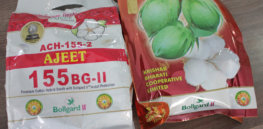
India likely to cut Monsanto’s royalty for GMO insect-resistant Bt cotton seeds
In an attempt to offer some respite to cotton farmers battered by repeated pest attacks and crop losses, the centre ...

German coalition could lead to eventual ban of glyphosate in Europe despite ‘no harm’ findings
Perhaps as a sign of how unstable Germany’s political landscape has become, a weed killer has become an unlikely bargaining ...
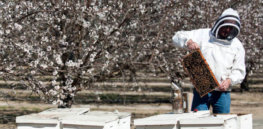
California almond industry may face challenges as ‘backup bee’ project developed as alternative to honeybee crop pollination cancelled
The almond industry contributes an estimated $21 billion annually to California’s economy and it is completely dependent on honeybees for ...
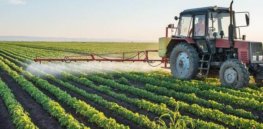
Greece approves glyphosate herbicide for 5 years, reversing prior position supporting rejection by EU
The Greek ministry of agriculture officially approved on Tuesday (6 March) the re-authorisation of the world’s most commonly used weedkiller, ...

Risk In Perspective: Hazard and Risk Are Critically Different Things
The difference between hazard and risk is a critical distinction. Hazard and risk describe two different but related concepts. The ...
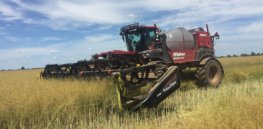
Non-GMO crops don’t earn farmers more, report on South Australia GMO ban shows
[South Australia] farmers are receiving no premiums for growing non-genetically-modified crops, according to a report by market analysis group Mecardo ...

Herbicides make sweet corn sweeter and boost crop’s beneficial mineral levels, study finds
New work shows [that] changes in treated crops are substantial enough to change both their nutritional value and flavour. [The ...
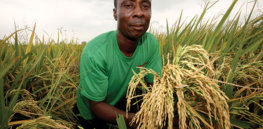
Ghanaian scientist: GMO food safer, more sustainable than conventional crops
Crops produced using Genetically Modified Organisms (GMO) technology are safer than conventionally produced ones, a Research Scientist at [Ghana's] Crop ...

Viewpoint: While wildlife habitat loss is a real problem, organic farming is not the solution
A recent article in the Independent is, in my opinion, a good example of how ideology can overwhelm evidence and ...

Bid to ban potentially misleading non-GMO, other ‘free from’ labels rejected by European Parliament
An Italian member of the European Parliament has had a motion to ban certain free-from claims on the grounds they ...

First GMO sugarcane planted in Brazil
Brazilian sugar mills looking to grow the world’s first variety of genetically modified (GM) sugarcane have planted an initial area ...
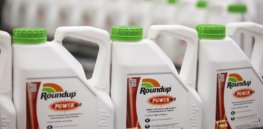
Lawsuits against Monsanto alleging glyphosate-cancer connection face court scrutiny
U.S. District Judge Vince Chhabria will spend a week hearing from experts to help decide whether there is valid scientific ...
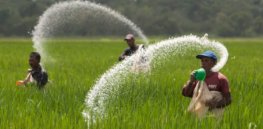
Nitrogen-fixing GMO crops could reduce synthetic fertilizer use, benefit environment
Nitrogen is the main nutrient that limits crop yield. Biologically reactive nitrogen is therefore routinely supplied to crops as synthetic ...

How Nobel Laureate scientist Sir Richard Roberts became one of the world’s foremost advocates for GMOs
You’re a prominent voice on another issue: in the movement to allow access to genetically modified organisms, or GMOs, in ...

4 CRISPR gene-edited foods coming soon to a grocery store near you
Genetic researchers working with gene editing, along with farmers and growers, are excited about the potential for CRISPR technology to ...
