How injecting genes into pea plants could introduce disease resistance and improve nutrition

Breeding work in peas c no credit x

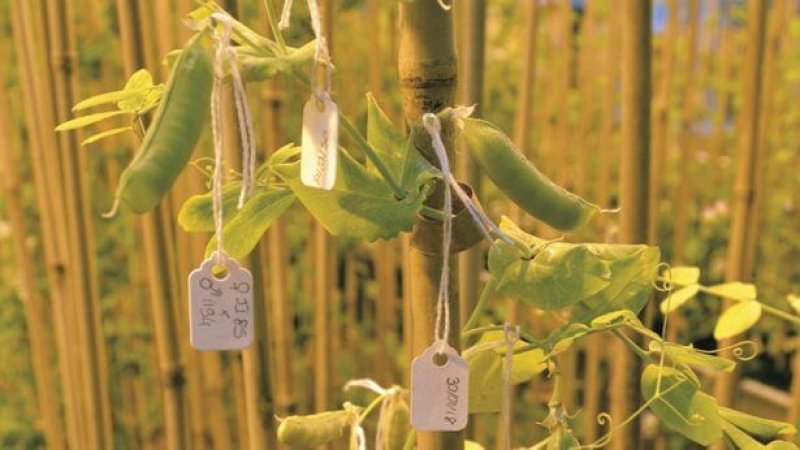
Scientists are injecting genes into pea plants to speed up introducing better disease resistance and improving the nutrition of this pulse crop within the next five years.

Adding valuable genes from wild pea varieties from Africa and Asia is set to bring improved resistance to the potentially devastating disease downy mildew, with fungicide control being limited to seed treatments.

Researchers are also well down the path of improving the nutrition of combine peas both for human consumption and for animal feed to potentially reduce expensive imports of soya.

Claire Domoney at the John Innes Centre says speedier breeding techniques mean these new beneficial traits can now be introduced more quickly into farm crops.

“By injecting genes into pea leaves we can get a quick response on what reaction the genes have on the pea crop,” she tells Farmers Weekly.

This method of gene injection is also helping researchers at the centre push for variety improvements quicker than with conventional breeding techniques, with the seed-to-seed production cycle down to just 37 days.

“Once we know which genes we need and follow up by introduce them into pea crops they could be with growers in five years,” says Prof Domoney.

Read full, original post: Gene injection set to bring big benefits to pea crops

{{ reviewsTotal }}{{ options.labels.singularReviewCountLabel }}
{{ reviewsTotal }}{{ options.labels.pluralReviewCountLabel }}
{{ options.labels.newReviewButton }}
{{ userData.canReview.message }}

Related Articles

Infographic: Global regulatory and health research agencies on whether glyphosate causes cancer

Infographic: Global regulatory and health research agencies on whether glyphosate causes cancer

Does glyphosate—the world's most heavily-used herbicide—pose serious harm to humans? Is it carcinogenic? Those issues are of both legal and ...

Most Popular

ChatGPT-Image-Mar-10-2026-01_39_01-PM
Viewpoint—“Miracle molecule” debunked: Why acemannan supplements don’t work
afb-a-b
As the EU loosens restrictions on agricultural gene editing, it remains years behind the rest of the world on equally-safe GMO foods
ChatGPT-Image-Jul-8-2026-12_32_48-PM
Viewpoint: SCOTUS strikes a blow against junk science in Bayer glyphosate case. Will it deter mass tort litigators?
Screenshot-2026-07-10-at-2.02.54-PM
Viewpoint: In abortion-restricting Florida, misinformation abounds when Republican congresswoman faces an ectopic pregnancy
ChatGPT-Image-Jul-7-2026-01_57_55-PM
Viewpoint: Europe’s rejection of air conditioning is the poster child for misunderstanding how to mitigate the impact of climate change
ChatGPT-Image-Jun-25-2026-12_23_17-PM
No, Bill Gates did not secretly engineer ticks to promote veganism
Screenshot-2026-07-10-at-3.10.50-PM
Snake-oil cures throughout history
Screenshot-2026-07-10-at-3.25.10-PM
Using AI for health questions? Here are 4 tips for the most accurate answers.
Screen-Shot-at-PM-pe-vra-kipgaprbdo-vd-ms-jpule-n-jqqaxf-l-e
Viewpoint: Will new breeding techniques help make European agriculture more competitive?
Screenshot-2026-07-10-at-12.55.21-PM
Cancer health facts are particularly susceptible to online misinformation
ChatGPT-Image-Jul-1-2026-03_33_49-PM
‘Alternative’ cancer treatments that could kill you
d a ca e c c beb x
Facts & Fallacies podcast: The 'woke' crusade against anthropology? Dr. Elizabeth Weiss
ChatGPT-Image-Jun-30-2026-10_27_31-AM
Viewpoint: Europe clears the way for gene-edited crops — but fear-driven restrictions still slow their full potential
glp menu logo outlined

Get news on human & agricultural genetics and biotechnology delivered to your inbox.