


Daily Human Digest
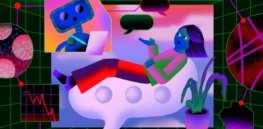
Can AI robots replace human therapists?
Websites, smartphone apps and social-media sites are dispensing mental-health advice, often using artificial intelligence. Meanwhile, clinicians and researchers are looking ...
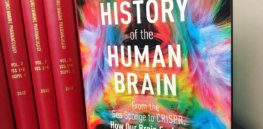
Podcast: ‘A History of the Human Brain’
Our guest on [Studio Tulsa] is Bret Stetka, an editorial director at Medscape.com, which is the professional division of WebMD.com ...

What happens if toxic chemical pollution increases? Evolution unlikely to save us
Chemicals leached from old batteries can cause renal disease. Mercury from coal-fired power plants and carbon monoxide from vehicle exhausts ...
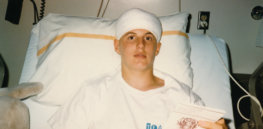
‘Cancer has never been part of your story’: Cautionary tale of a misdiagnosis that wreaked havoc on a patient and his family for 35 years
Ten days [after my brain cancer surgery as a teenager,] they had removed the staples from the left side of ...

Does estrogen deficiency really exist?
The big problem with estrogen deficiency as a symptom or diagnosis is that it is a catchall term that plays ...

Remapping the early course of human evolution
According to scientists the human race first appeared in the East part of Sub-Saharan Africa. From there humans who were ...

Viewpoint: This one man may be responsible for spreading more COVID misinformation than anyone else on TV or social media
Alex Berenson: the former New York Times reporter, Yale-educated novelist, avid tweeter, online essayist, and all-around pandemic gadfly [has] has ...
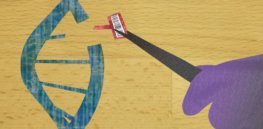
New hope for Duchenne muscular dystrophy (DMD) patients? CRISPR cured a mouse — and humans could be next
DMD is a fatal — and currently incurable — genetic condition that causes the body's muscles to deteriorate over time. ...

Fake memories: They can be implanted — but they can also be rooted out
[S]cientists used interviews to convince some study subjects they had undergone childhood events that didn’t happen to them, such as ...
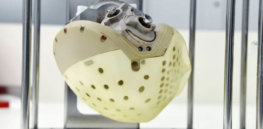
‘Total artificial heart’: European Union set to approve temporary replacement hearts that are working, in 19-patient study
To help people awaiting a transplant, French company Carmat has developed a "total artificial heart" — a device to replace ...
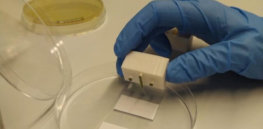
Biological machine: ‘Living computer’ made by printing cells on paper
From tablets and laptops to PCs and smartphones, we have many electronic devices to fill every moment in our lives ...

Viewpoint: Psychology is more mythology than hard science
In our secular age, many people no longer turn to sacred books to understand who and what they are. Psychology ...
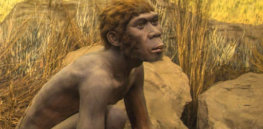
Hobbit-sized humans appear to have lived as recently as 50,000 years ago
Fossil evidence of [Homo floresiensis and Homo luzonensis found in Southeast Asia], described in 2004 and 2019 respectively, suggests these ...
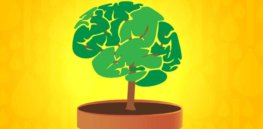
Regrowing brain tissue? With the help of gene therapy, stroke victims can recover motor function
Most stroke victims don’t receive treatment fast enough to prevent brain damage, but scientists at the Ohio State University Wexner ...
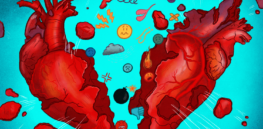
‘Broken heart syndrome’: High stress, emotional situations can kill you
[Takotsubo syndrome, or TTS,] is characterised by a sudden temporary weakening of the heart muscles that causes the left ventricle ...

1 percent of European couples are at risk of having a child with a severe recessive genetic disorder
Based on 6,447 exome sequences of healthy, genetically unrelated Europeans of two distinct ancestries... researchers calculated that each individual is ...

How the evolution of an ancient fish gave humans the ability to speak
[E]very voice (barks, whinnies, whines, chirps, squeals, meows, ribbits, roars, the State of the Union address) derives from a common ...

Workout junkie? Daily high-intensity workouts might be problematic to your health
Consisting of repeated, brief spurts of hard exercise interspersed with a few minutes of rest, [high-intensity interval training, or] HIIT ...
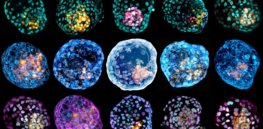
Opening the door to understanding infertility: Skin cells reprogrammed into a model human embryo
[Scientists have made a] significant breakthrough for the future study of early human development and infertility. To date, the only ...

Do omega-3 fatty acid fish oil supplements lower heart disease risk? Only for people with specific genes, researchers find
[N]ew research from a team led by a University of Georgia scientist indicates that taking fish oil only provides health ...
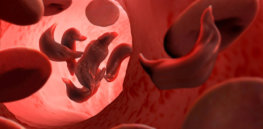
Cure for sickle cell diseases inches closer with launch of gene therapy trial
For 65 years, scientists have known the cause of sickle cell disease but have been unable to cure it without ...

Why do we find puppies more adorable than babies? The neuroscience of cuteness
[W]hat exactly happens in the brain when we gaze at a baby? And why do we respond the same way ...

Concussions may soon be diagnosable with a simple saliva test
A team of scientists and doctors studied more than 150 rugby players at England’s highest level between 2017 and 2019, ...

Cilantro is one of the most loved — and hated — herbs. Why does it taste like soap to some people?
Coriander, also known as cilantro, is one of the most commonly used herbs in the world, but a preference for ...
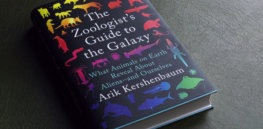
If we ever encounter extraterrestrial life, here’s why they might not seem so alien
[University of Cambridge Professor Arik Kershenbaum] argues that evolution is a universal law of nature, like gravity — and that ...
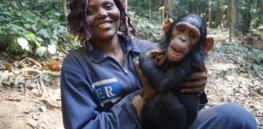
Why do humans suffer from more diseases than other animals?
[C]ompared to chimpanzees, what makes us special is apparently our outsized capacity for serious mental illnesses and weird facial shapes, ...
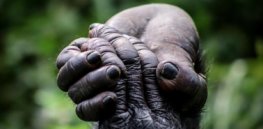
Generous apes: What explains the evolution of human kindness?
With chimpanzees, the prospect of food can lead to aggression. But bonobos take a different approach, says Suzy Kwetuenda, a ...
