


Science Literacy Project Daily Digest

Zimbabwe has just 19 psychiatrists for 15 million people. Here’s how they’re transforming mental health care — and what the US could learn from this paradigm
When psychiatry and other forms of professional mental health care are not accessible, people suffer in silence or turn to ...

Smart bandage: This high-tech bandaid can monitor wound healing in real time
Millions of people dealing with diseases and suppressed immune systems are often forced to deal with chronic wounds—often minor injuries ...

3+ million lives saved: COVID vaccines prevented mass death in the US
A study released December 13 by the Commonwealth Fund shows that in those two years, the Covid vaccines have averted over ...
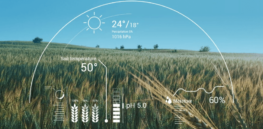
Precision agriculture, satellites and drones critical to feed 800 million food-insecure people
The Covid-19 pandemic has highlighted the fragilities in our agri-food systems and the inequalities in our societies, driving further increases ...

Addressing the plague of invasive mice: This gene drive solution could totally remove island pests
After five years of research, University of Adelaide scientists have now developed t-CRISPR, a technology that builds on a gene ...

Natural, plant-based air purifiers? This bioengineered houseplant can clean pollutants from the air
A startup in Paris has developed a plant that could take over the work of 30 houseplants — and it’s just the ...

As plants fight each other for access to sunlight, shorter crops with ‘unselfish’ genes could be more productive
Identifying genes that make plants “cooperate” with their neighbours rather than compete with them could enable breeders to develop more ...

COVID survivors show lingering brain abnormalities up to 6 months after infection
A specialized type of MRI showed lingering brain abnormalities in patients up to 6 months after they recovered from COVID-19 ...

Do you know a second alphabet? Additional written languages give bilingual people’s brains a boost
New research suggests that the brain of a bilingual person who knows two alphabets is different from that of a ...

Plaque on our teeth reveals secrets of our ancient ancestors
Plaque fossilises while we are still alive. Now, dental calculus is giving up the secrets of our ancient ancestors, from ...

AI can predict 10-year risk of heart attack or stroke with an X-ray scan
Early research suggests a promising use of artificial intelligence to predict the 10-year risk of death from a heart attack ...

Challenging misconceptions: Global managed honeybee population increasing, not decreasing, finds Nature study, but not keeping up with population growth
We conducted a retrospective study to examine the long-term trends for the global honey bee population and its two main ...

Genetically modified crops are key to resisting climate change, US embassy in Pakistan says
The United States is proud of its long and fruitful agricultural trade relationship with Pakistan. This relationship has grown stronger ...

Viewpoint: Philippines’ food security crisis will continue to deepen without disruptive biotechnology innovations
A major yield breakthrough in corn has occurred due to the introduction of hybrid seed which can be further galvanised ...

Bioactive compounds from potatoes and tomatoes could help us create new cancer drugs
Vegetables such as potatoes could someday help us fight cancer, according to a study completed at Adam Mickiewicz University in Poland and published ...

Simon & Schuster faces criticism for publishing book claiming ‘discredited’ ivermectin stops COVID
Pierre Kory, MD, one of the most vocal proponents of ivermectin for COVID-19, has the support of Simon & Schuster, ...
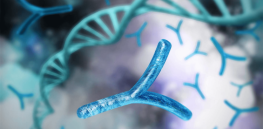
A species of rat without the Y chromosome may foreshadow what might evolve in humans
The male Y chromosome has disappeared from a species of rat, leading scientists to investigate how humans might also lose ...
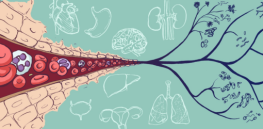
What is evolutionary medicine?
Basic scientists are good at proposing overarching theories, knocking down paradigms and erecting new ones. These are necessary and provide ...

Poor cholesterol? A gene-edited solution could lower ‘bad’ LDL and reduce heart disease risk
While a poor diet, stress, lack of exercise, and other lifestyle factors can lead to cholesterol problems, genetic factors also ...

Viewpoint: It’s a bad idea to ‘recognize anti-science reasoning’ by imposing overly stringent regulations on Canadian gene-edited crops
If a new and novel trait is added to a genetic line, the Canadian Food Inspection Agency, as a part ...

Viewpoint: Gene drives are not ‘nature conservation’. Anti-GM activists call for a moratorium on the technology
Ahead of the UN Biodiversity Conference COP 15 and its Cartagena Protocol on Biosafety in Montreal over 140 civil society organisations ...

Potato farming experts push back on restrictive EPA pesticide regulations
Interacting with EPA staff and sharing the complexities of producing a high-quality, high-cost potato crop for U.S. consumers and customers ...

Viewpoint: Has the organic trend gone stale? After 10 years of growth, organic food sales have started to fall in the UK
After 10 years of slow but steady growth, sales of organic food and drink in UK supermarkets have fallen by ...

We’re more vulnerable to colds and flu in the winter. Here’s the biological reason why
[G]erms are present year-round — just think back to your last summer cold. So why do people get more colds, ...

Childhood obesity associated with brain abnormalities, study shows
Children with overweight or obesity appeared to have abnormalities in the brain that could affect executive functioning, an analysis of ...
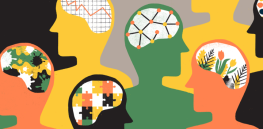
Dispelling misconceptions about evolutionary psychology
Research in evolutionary psychology attracts considerable attention, from both enthusiasts and critics. Evolutionary researchers devote substantial effort to correcting misperceptions ...

Newborn screening conference examines privacy concerns
As technology continues to advance rapidly, the newborn screening community is having a robust conversation to address privacy concerns while ...
