


Science Literacy Project Daily Digest

Global forest diversity: Earth supports 9,200 more tree species than originally thought — over 73,000 in total
A new study involving more than 100 scientists from across the globe and the largest forest database yet assembled estimates ...
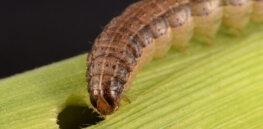
Viewpoint: ‘Herbicides reduce the cost of food production by half and triple yields’: Mass bans on synthetic chemicals would open the doors to 32 invasive species that threaten African crops
A recent survey by the Kenya Plant Health Inspectorate Service (KEPHIS) shows the 32 key Invasive species in Kenya include 11 arthropods, ...

Viewpoint: Essential to feeding the world, synthetic fertilizers have negative environmental impacts. Here’s how genetic engineering can change that
Much of the world is preoccupied with the ongoing coronavirus pandemic, but there are other global challenges, including climate change, ...
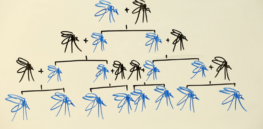
240 million people suffer annually from malaria. Could deploying CRISPR to gene edit mosquitoes’ pesticide resistance contain the scourge?
Insecticides kill off most of the mosquitoes in an area. But a small number may survive because something about their ...

Robosexuals: How close are we to the inevitable era of artificial intelligence-driven sex robots?
Robosexuals eagerly await the promised arrival of sophisticated sex robots: talking, walking dolls that can carry a conversation, discern what ...

How exercise reprograms your brain
Physical activity can do wonders for the body. Exercise can trim weight, chisel muscles, and strengthen the lower back, among ...

Cure for cancer? Two patients leukemia free a decade after breakthrough gene therapy
Penn researchers in 2010 treated their first chronic lymphocytic leukemia patients with CAR-T therapy, which uses the body’s own immune ...

Is wisdom linked to gender?
Previous studies have shown that wisdom is a personality trait underpinning mental health and well-being. Recently, researchers at University of ...

Viewpoint: Will the Environmental Working Group’s Dirty Dozen finally adopt science this year — instead of promoting evidence-free scaremongering?
For over 25 years, the Environmental Working Group (EWG) has released its so-called “dirty dozen” list, which inaccurately disparages popular, ...

Viewpoint: Challenging organic advocates’ claims that agroecology and regenerative farming can sustainably feed France
"Organic could satisfy the needs of the French population quite easily if the proportion of animal products in our diet ...

China’s ‘future foods’: Lab grown meat and plant-based eggs on 5-year plan food and agriculture policy table
China’s Ministry of Agriculture and Rural Affairs has set the lab-grown meat industry abuzz with the release of its official five-year agricultural plan ...

‘Powerful tool of science to feed the future‘: Philippines poised for the ‘massive production’ of genetically modified, Vitamin A enhanced Golden Rice
To utilize and promote biotechnology in the country, the Department of Agriculture (DA) on [February 2] said this year marks ...

Can virtual reality treatment mimicking a psychedelic trip help relieve depression and PTSD?
What if you could unlock the same altered state of consciousness that psychedelics do — as well as their potential ...

Adult at 18? Citing slow brain development, some neuroscientists say it’s time to question the legal ‘age of adulthood’
You might say that the 18th birthday marks the transition from childhood to adulthood. After all, that’s the age at ...

Moderate drinking is good for your health? Massive study of 333,000 people challenges belief that a few drinks a week protects you from heart problems
Red wine has antioxidants, we've been told, so a few glasses are apparently 'good for you'. Other studies have suggested ...
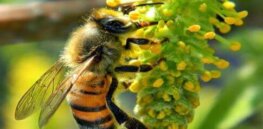
Viewpoint: ‘One-size-fits-all pesticide policy hurts farmers and doesn’t help pollinators’ — Why Boulder, Colorado ignores science in push to ban neonicotinoids
It is commonly cited within the beekeeping community that pesticides called neonics can negatively impact honeybees. An oft-invoked visualization shows ...

Viewpoint: Why organic farming is a climate change disaster
Organic agriculture is highly inefficient, producing roughly 40% less food than conventional farming on the same amount of acreage. One consequence ...
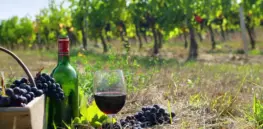
French winegrower pleads for gene editing approval to provide disease and drought resistance
Does genetic innovation have its place in the vineyards of tomorrow? In an open letter, the winegrower and trade unionist ...

Viewpoint: $24 billion in global savings — Here’s why the UK should break from Europe and embrace GMOs, CRISPR crops and other agricultural biotechnologies
As part of the European Union, the UK was a stronghold of anti-GMO opposition. Post-Brexit, however, Britain is changing its ...

‘Unproven and unethical’: Ethicists raise questions about human embryo risk analysis tests
Experts have warned against the “unproven” and “unethical” use of genetic tests to predict the risk of complex diseases in ...

How do gene-environment interactions drive autism?
People with autism spectrum disorders all have characteristic behavioral difficulties. Nevertheless, the important heterogeneity of their symptoms remains one of ...

Will Lia Thomas get bumped from the summer Olympics under the new USA swimming rules rolled out this week?
After USA Swimming released its new transgender athlete participation policy [February 1], questions immediately turned to how this action would affect ...

Viewpoint: Free speech dustup? Joe Rogan, Spotify, and especially Neil Young — promoting anti-science fear mongering on GMOs — all came away looking foolish
Critics have contended that Joe Rogan’s podcast, hosted by Spotify, promotes vaccine-skeptical guests and boosts the spread of misinformation about ...

We need to double food production by 2050. Here’s how genetically tweaking cowpea, soybean, and potato could help meet that target
AZoCleantech speaks to Amanda Cavanagh from the University of Essex abouth the future of agriculture in a changing climate and ...

Biden Administration has followed Trump’s lead in challenging Europe’s crop biotechnology rejectionism
Biden and Brussels are still at loggerheads over food production, despite a face-saving communiqué in November. Indeed, while the U.S. pleads for moderation, France ...
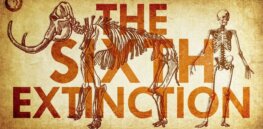
Sixth Mass Extinction: Why the world may be headed for a global biodiversity catastrophe, assessment claims
The history of life on Earth has been marked five times by events of mass biodiversity extinction caused by extreme ...

Do biobanks that accept anonymous DNA have a responsibility to inform donors when they discover a treatable genetic defect?
What should happen when researchers, while sequencing a participant’s DNA as part of a large study, discover gene variants that ...
