


Science Literacy Project Daily Digest

GMO Bt cowpea could save Nigeria millions in crop imports annually
The African Agricultural Technology Foundation (AATF) says Nigeria can save billions of naira if it cuts down on its importation ...

Making a new generation of beauty products from viruses and bacteria
As scientists uncover more details about the skin microbiome, small startups and beauty giants alike are exploring how the trillions ...

Exploring the biotechnology revolution in food and medicine
Biotechnology develops cellular and bimolecular processes to create products that will make our lives easier .... Today, biotechnology fights against ...
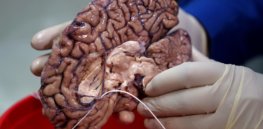
‘It’s very encouraging’: Experimental gene therapy shows promise for glioblastoma patients in clinical trial
An inducible, tumor-localized gene therapy has been tested for the first time in glioblastoma patients. The two-part approach, which involves ...

Plant-based Impossible, Beyond burgers will help wean consumers off meat, Whole Foods CEO says
In 2013, Whole Foods gave plant-based meat start-up Beyond Meat its first shot at selling its vegan “chicken” strips at ...
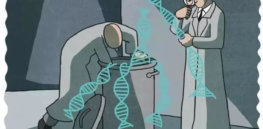
98.5% of our DNA is ‘junk’: But that doesn’t mean it doesn’t play a key role in disease, evolution
Would you purchase a book with over 98 percent of the text written in gibberish? Biology has no business in ...

CRISPR guacamole, anyone? Gene-edited avocados could survive disease, cold climates
Researchers from Texas Tech University and the University of Buffalo have studied avocados in a way that is best described as ...

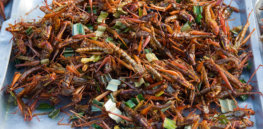
Video: Prof Joe Schwarcz on why bugs may be coming to our dinner plates
Pretty soon there will be 9 billion people coming to dinner. That population boom is going to require an increase ...

New theory on the origins Alzheimer’s opens alternate research, treatment avenues
Alzheimer’s disease, the most common cause of dementia among the elderly, is characterized by plaques and tangles in the brain, ...
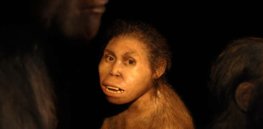
Podcast: Why did we survive, when the Denisovans and Neanderthals did not?
The Denisovans have long been one of the most elusive ancient human cousins, until now. In May 2019, scientists revealed ...

Bayer sells animal health division for $7.6 billion, denies deal prompted by glyphosate-cancer lawsuits
Agriculture and pharmaceutical giant Bayer [August 20] agreed [to] a $7.6 billion deal to sell its animal health business to ...

5 things we get wrong about psychopaths
There are a number of myths that pervade pop culture regarding psychopaths. Here is my take on some of the ...
Viewpoint: Facing climate change, global hunger crisis, we should fix our ‘faulty food system’
Fixing the world’s “faulty food system” is increasingly being recognized as one of the key ways to fight climate change ...

‘Teaching plants new tricks’: How synthetic biology is reshaping agriculture
Aug 7-9, San Jose, California – the American Society for Plant Biology (ASPB) showcased the latest research in Plant Synthetic Biology ...

Scientists at Kenya’s biosafety conference debunk GMO-cancer link blocking Africa’s biotech progress
Despite widespread reports that genetically modified foods (GMOs), cause cancer, no evidence exists to prove this, scientists and researchers have ...

Viewpoint: I wish I learned about my breast cancer risk from a genetic counselor instead of 23andMe
I opened the email from 23andMe, saying a report was ready for me to read. That click changed my life ...

Radar and robots: Can technology turn honeybees into more efficient pollinators?
According to the Bee Informed Partnership, 37.7% of managed honey bee colonies were lost during the 2018-19 winter — the ...

What’s that smell? How our brains detect and cope with all the odors we encounter
Olfactory neurons in your nose have evolved some 400 odor receptors, and each neuron contains only one. Receptors are tuned ...

‘Proudly GMO’ probiotic takes aim at hangovers. Can it ease consumer fear of biotechnology?
On [August 17], a San Francisco-based start-up called ZBiotics celebrated the launch of its first product in a fitting way: ...
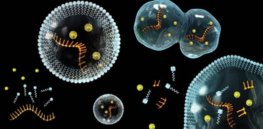
‘Utterly magical’: This ‘two-step dance’ may explain the origins of life
Go back far enough in time, before animals and plants and even bacteria existed, and you’d find that the precursor ...
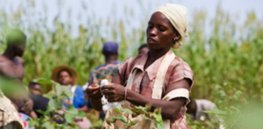
Kenya will approve biotech crops on case-by-case basis, three months after proposing to lift GMO ban
Kenyans are still waiting on the Government’s decision as to whether it will lift the ban on Genetically Modified Organisms ...

Using synthetic biology to solve some of ‘the hardest problems in the world’, with new foods, medicines
Many of the products we use every day—plastics, cosmetics, clothing, fertilizers, and even aspirin—include molecular ingredients derived from petrochemicals. But, ...

Lab-grown burgers and now…coffee? Seattle-based startup developing bean-free ‘molecular’ java
[Recently], the United Nations shared yet another alarming report about climate change. This time, it focused on the threat to ...
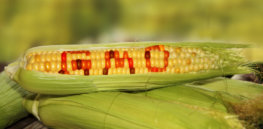
South Australia to lift ‘stifling’ GMO crop ban that cost farmers $33 million
The Marshall Liberal Government has [on August 19] announced farmers on mainland South Australia will be given the choice to ...

Anger, aches and pains: Anxiety manifests differently in men
Anxiety problems can look different in men. When people think of anxiety, they may picture the excessive worry and avoidance ...

3 ways neuroscience and AI can work together to help us understand how we think
The meteoric success of deep learning showcases how insights from neuroscience—memory, learning, decision-making, vision—can be distilled into algorithms that bestow ...
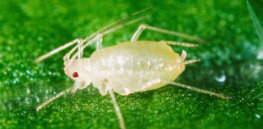
UK farmers struggle to control ‘largely symptomless’ virus without neonicotinoid insecticides
A mild autumn and winter combined with a build-up in aphid numbers since the loss of neonicotinoid seed treatments has ...
